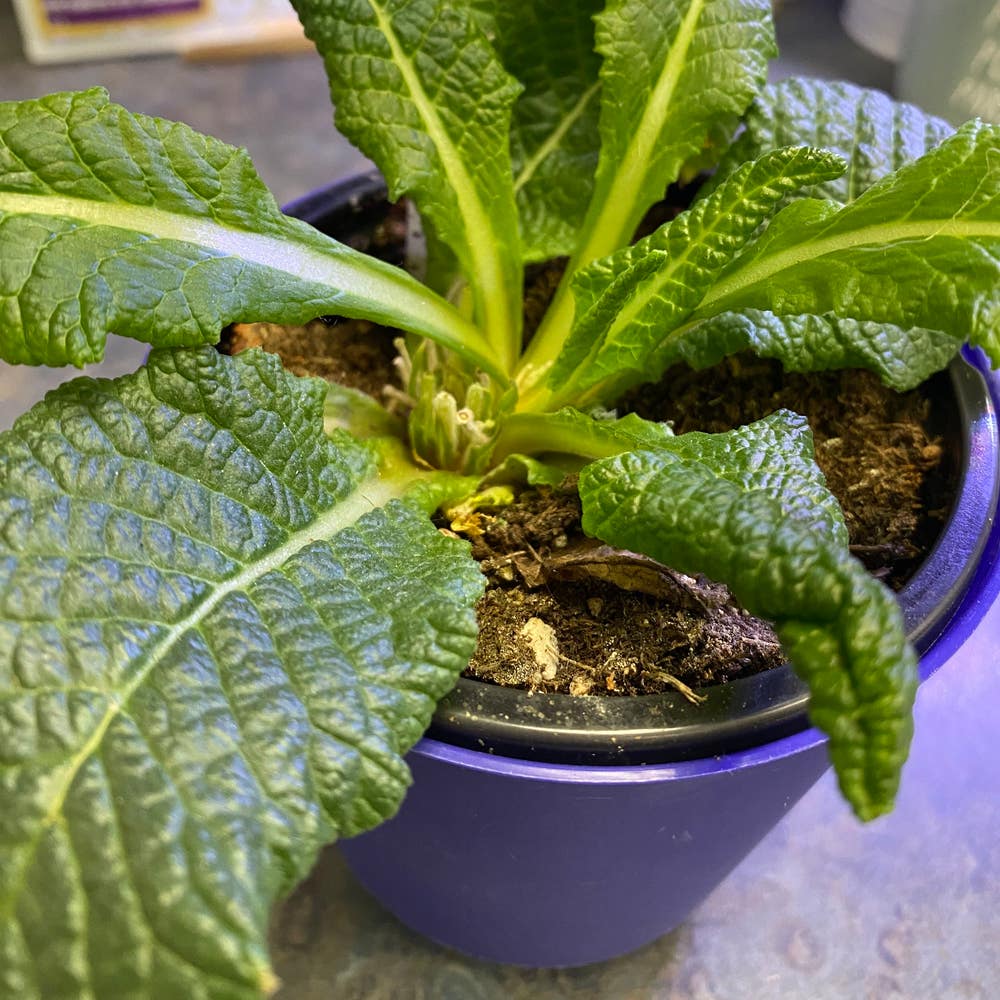
🌼 Ultimate Guide to Primrose 'Crescendo Golden'
Primula vulgaris 'Crescendo Golden'
By the Greg Editorial Team
Feb 15, 2025•12 min read
This article was created with the help of AI so we can cover more plants for you. May contain errors. See one? Report it here.
Elevate your garden's charm with Primrose 'Crescendo Golden' 🌼 and discover its vibrant blooms and eco-friendly benefits!
- 🌞 Primrose 'Crescendo Golden' thrives in partial shade to full sun for optimal growth.
- 🌱 Well-drained, moist soil enriched with organic matter is essential for blooming.
- 🌼 Prune after flowering to encourage new growth and maintain plant health.
How to Grow
Choosing a Location 🌞
Primrose 'Crescendo Golden' thrives in light conditions ranging from partial shade to full sun. Selecting the right location is crucial for optimal blooming and growth, as it directly influences the plant's health and vibrancy.
Soil Preparation 🌱
This plant prefers well-drained, moist soil to flourish. To enhance drainage and moisture retention, incorporate organic matter into the soil before planting.
Planting Techniques 🌼
The best time to plant is in early spring or fall. Ensure the crown of the plant is level with the soil surface and space them 12-18 inches apart for optimal growth.
Watering Requirements 🚰
Keep the soil consistently moist but avoid waterlogging. Watch for signs of overwatering, like yellowing leaves, or underwatering, which can cause wilting.
Fertilizing Schedule 🍽️
Use a balanced NPK fertilizer to nourish your Primrose. Apply it in early spring and again in mid-summer to support healthy growth.
Pruning Methods ✂️
Prune your Primrose after flowering to encourage new growth. Techniques include deadheading spent flowers and removing any dead leaves to keep the plant tidy.
Ongoing Care Tips 🔍
Regularly monitor moisture levels and adjust your watering routine as needed. Seasonal care adjustments will help accommodate the plant's growth stage.
Outdoor vs. Container Growing 🌍
When growing in containers, consider pot size, drainage, and mobility for the best results. Outdoor planting offers benefits like natural pollination and optimal growth conditions, making it a great choice for this vibrant flower.
With these guidelines, you'll be well on your way to cultivating a stunning display of Primrose 'Crescendo Golden' in your garden or home. Next, let's explore how to propagate this beautiful plant for even more blooms!
Propagation
🌱 Seed Propagation
Sowing seeds for Primrose 'Crescendo Golden' is a straightforward process. Start by surface sowing the seeds and lightly covering them with soil to ensure they receive adequate light.
Germination typically takes about 2-3 weeks under optimal conditions. Keep the soil moist but not soggy to encourage healthy growth.
✂️ Division Method
Dividing your Primrose plants is best done in early spring or fall. This method helps rejuvenate the plants and promote new growth.
To divide, carefully separate the clumps of roots and replant them in well-prepared soil. This technique not only increases your plant count but also enhances the health of the original plant.
🌿 Cuttings Method
For propagation through cuttings, select healthy stems that are about 4-6 inches long. This ensures you have a robust start for new plants.
Use a well-draining rooting medium, such as soil or perlite, to encourage root development. Keep the cuttings in a warm, humid environment to boost their chances of success.
With these propagation methods, you can easily expand your garden with vibrant Primrose 'Crescendo Golden' plants. Now, let’s explore the lifecycle of this beautiful perennial.
Lifecycle
Lifecycle Stages 🌱
Primrose 'Crescendo Golden' is classified as a perennial, meaning it can thrive for multiple growing seasons. This classification allows gardeners to enjoy its vibrant blooms year after year.
Germination Process 🌡️
Successful germination requires specific conditions: warm temperatures and consistent moisture. Ensure the seeds are sown in well-draining soil and lightly covered for optimal results.
Seedling Stage 🌿
During the seedling stage, which lasts about 4-6 weeks, provide ample light and moisture. This phase is crucial for establishing strong, healthy plants.
Vegetative Growth 🌳
As the plant enters vegetative growth, expect to see lush foliage developing. This phase typically lasts several months, and care should focus on maintaining adequate moisture and nutrients.
Flowering Phase 🌼
Primrose 'Crescendo Golden' usually begins to flower in late spring to early summer. The blooms can last several weeks, adding a splash of bright yellow to your garden.
Seed Production 🌾
After flowering, the plant will produce seeds, completing its lifecycle. This process not only allows for new plants but also contributes to the garden's biodiversity.
Growth Timeline ⏳
From seed to full maturity, expect a timeline of approximately one year. The growth rate is moderate, making it a manageable choice for gardeners of all experience levels.
In summary, understanding the lifecycle of Primrose 'Crescendo Golden' helps you provide the best care possible. Next, we’ll explore the size of this beautiful perennial and what to expect as it matures.
Size
Mature Height and Spread 🌱
Primrose 'Crescendo Golden' typically reaches a mature height of 6 to 12 inches. Its spread ranges from 12 to 18 inches, making it a charming addition to any garden.
Growth Rate 📈
This perennial exhibits a moderate growth rate, which can vary based on environmental conditions. Factors such as sunlight, soil quality, and moisture levels play a significant role in how quickly it flourishes.
Size Variability 📏
Several factors influence the size of your Primrose. Adequate light exposure, rich soil quality, and consistent moisture levels can enhance growth, while neglect in any of these areas may stunt its development.
Understanding these size characteristics helps you plan your garden layout effectively. With the right conditions, your Primrose can thrive, adding vibrant color and life to your outdoor space.
As you consider planting, remember that the next section will delve into the roots of this lovely flower, exploring their characteristics and care.
Roots
🌱 Root System Characteristics
Primrose 'Crescendo Golden' features a fibrous root system. This type of root structure is shallow yet extensive, allowing the plant to efficiently absorb moisture from the soil.
⚠️ Common Root-Related Issues
One of the main concerns for this plant is root rot. Signs include yellowing leaves and a foul smell from the soil, which can be prevented by ensuring proper drainage and avoiding overwatering.
🔍 Identifying Healthy vs. Unhealthy Roots
Healthy roots are typically firm and white, indicating good moisture absorption. In contrast, unhealthy roots appear brown and mushy, signaling potential problems that need immediate attention.
🌿 Recognizing Rootbound Plants
A rootbound plant has roots that circle the pot, indicating it has outgrown its container. If you notice stunted growth or roots emerging from drainage holes, it’s time to address this issue by repotting into a larger container.
Understanding the root system of your Primrose 'Crescendo Golden' is crucial for its health and vitality. By monitoring these aspects, you can ensure your plant thrives beautifully. Next, let’s explore the benefits of this stunning flower in your garden.
Benefits
Aesthetic Appeal 🌼
Primrose 'Crescendo Golden' dazzles with its bright yellow flowers, adding a vibrant splash of color to any garden. These cheerful blooms can elevate the overall beauty of your outdoor space, making it a delightful sight for both you and your visitors.
Attracting Pollinators 🐝
This plant plays a crucial role in supporting local ecosystems by attracting pollinators like bees and butterflies. By planting Primrose, you're not just beautifying your garden; you're also contributing to the health of the environment.
Erosion Control 🌍
As a ground cover, Primrose helps prevent soil erosion effectively. Its extensive root system stabilizes the soil, making it an excellent choice for sloped areas or gardens prone to erosion.
Cultural Significance 📜
Historically, Primrose has been associated with various meanings and uses across cultures. From symbolizing youth and renewal to being used in traditional medicine, this flower carries a rich cultural heritage that adds depth to its presence in your garden.
Therapeutic Benefits 🧘♀️
Growing flowers like Primrose can have mental health benefits, providing a sense of calm and joy. Engaging with nature through gardening can reduce stress and enhance overall well-being, making it a rewarding hobby for many.
With all these benefits, it's clear that Primrose 'Crescendo Golden' is more than just a pretty flower. Its contributions to beauty, ecology, and personal well-being make it a fantastic addition to any garden. Next, let's explore the best companion plants that thrive alongside this stunning perennial.
Companion Plants
🌱 Companion Planting
Companion planting is a gardening technique that pairs compatible species to enhance growth and deter pests. When you plant Primrose 'Crescendo Golden' alongside the right companions, you can create a thriving ecosystem that benefits all plants involved.
🌼 Best Companions
For Primrose, consider planting with other perennials and annuals that share similar light and moisture needs. Great companions include:
- Hostas: Their lush foliage complements the bright yellow flowers of Primrose.
- Astilbe: This perennial thrives in similar conditions and adds beautiful texture.
- Geraniums: These annuals can provide vibrant color and attract beneficial pollinators.
🚫 Plants to Avoid
While many plants can thrive alongside Primrose, some should be avoided due to conflicting care requirements. Steer clear of:
- Heavy feeders: Plants that require a lot of nutrients can compete with Primrose for resources.
- Drought-tolerant species: These may not provide the moisture Primrose needs to flourish.
Choosing the right companions can make a significant difference in your garden's health and aesthetics. With thoughtful planning, your Primrose can thrive alongside its best friends, creating a vibrant and harmonious garden space.
Next, let's explore the potential toxicity of Primrose 'Crescendo Golden' to humans and pets.
Toxicity to Humans
⚠️ Potential Irritants
Primrose 'Crescendo Golden' can cause irritation, particularly through its leaves and sap. Symptoms may include skin rashes and mild gastrointestinal upset if ingested.
🧤 Handling Precautions
To minimize irritation risk, wear gloves when handling the plant. It's also wise to wash your hands thoroughly after contact to prevent any potential reactions.
🚑 When to Seek Medical Care
If you experience severe symptoms, such as persistent rashes or significant gastrointestinal distress, seek medical attention promptly. It's always better to be safe and consult a healthcare professional if you're unsure about your symptoms.
Understanding these precautions ensures you can enjoy the beauty of Primrose without worry. Next, let’s explore how to keep your furry friends safe around this lovely plant.
Toxicity to Dogs
Safety for Dogs 🐶
Primrose 'Crescendo Golden' is considered nontoxic to dogs, according to pet poison control centers. While your furry friend can safely enjoy the garden, consuming the plant may lead to mild gastrointestinal upset.
Tips for Introducing to Homes with Dogs 🏡
When introducing Primrose to a home with dogs, consider placement carefully. Keep the plants in areas that are less accessible to your pets, and monitor their behavior around the flowers to ensure they don't nibble on them.
By taking these precautions, you can enjoy the beauty of Primrose while keeping your canine companions safe.
Toxicity to Cats
🐱 Safety for Cats
Primrose 'Crescendo Golden' is confirmed as non-toxic to cats by pet poison control centers. While your feline friend can safely explore these vibrant flowers, consuming them may lead to mild gastrointestinal upset.
🏠 Tips for Introducing to Homes with Cats
When bringing Primrose into your home, consider strategic placement. Keep the plants out of reach to minimize any nibbling, and monitor your cat's behavior around them. This way, you can enjoy the beauty of your garden without worry.
As you create a safe environment for your pets, remember that awareness is key. If you notice any unusual behavior in your cat, don't hesitate to consult your veterinarian for peace of mind.
Problems
Common Problems 🌱
Primrose 'Crescendo Golden' can face a few challenges that may hinder its vibrant growth. Common issues include pests, diseases, and environmental stressors that can affect the plant's overall health.
Identifying Unhealthy Plants 🔍
To keep your Primrose thriving, watch for signs of distress. Wilting leaves, discoloration, and stunted growth are clear indicators that something is amiss.
Solutions for Specific Issues 🛠️
If you notice wilting, check the soil moisture; it may be too dry or too wet. Discolored leaves could signal nutrient deficiencies or pest infestations, while stunted growth often points to poor soil conditions or inadequate light.
For pest issues, consider using insecticidal soap or neem oil to manage infestations effectively. If diseases arise, removing affected leaves and ensuring proper air circulation can help prevent further spread.
By staying vigilant and addressing these problems promptly, you can ensure your Primrose 'Crescendo Golden' remains a stunning addition to your garden. Next, let’s explore the potential pest issues that could threaten your plant’s health.
Bugs
🐜 Potential Pest Issues
Primrose 'Crescendo Golden' can face various pest challenges, impacting its health and beauty. While these plants are relatively resilient, they are not entirely immune to pests.
🔍 Identification of Pests
Common pests that may target your primrose include spider mites and aphids. These tiny invaders can quickly multiply, leading to significant issues if not addressed promptly.
⚠️ Damage Caused by Pests
Pests can cause a range of damage to your primrose. Look for signs like yellowing leaves, wilting, or stunted growth, which indicate that your plant is under stress from these unwanted guests.
🧴 Treatment Options
To manage pest problems effectively, consider using insecticidal soap or neem oil. Regularly inspecting your plants and maintaining good garden hygiene can also help prevent infestations before they start.
By staying vigilant and proactive, you can keep your Primrose 'Crescendo Golden' thriving and beautiful. Next, let’s explore what animals might be lurking around your garden, looking to snack on your lovely blooms.
What Eats Primrose
🦌 Common Animals
Primrose 'Crescendo Golden' can attract a variety of hungry critters. Common culprits include deer and rabbits, which are known for their appetite for these vibrant flowers.
👀 Signs of Animal Presence
To identify if animals are munching on your primrose, look for specific signs. Chewed leaves, missing flowers, and droppings around the plant can indicate animal activity in your garden.
⚠️ Damage Caused by Animals
The damage caused by these animals can be quite noticeable. Deer may strip entire plants of their leaves, while rabbits tend to nibble at the edges, leaving behind ragged remnants.
🛡️ Deterrent Methods
Protecting your primrose from these pests can be achieved through various methods. Consider using chemical repellents or organic options like garlic spray to keep them at bay. Additionally, physical barriers such as fencing can provide a more permanent solution.
By being proactive, you can enjoy the beauty of your primrose without the worry of it becoming a snack for local wildlife.
⚠️ Safety First
This content is for general information and may contain errors, omissions, or outdated details. It is not medical, veterinary advice, or an endorsement of therapeutic claims.
Always consult a qualified healthcare professional before using any plant as food, medicine, or supplement.
Never eat any plant (or feed one to pets) without confirming its identity with at least two trusted sources.
If you suspect poisoning, call Poison Control (800) 222-1222, the Pet Poison Helpline (800) 213-6680, or your local emergency service immediately.
Spotted an error? Please report it here.
Unlock the blooming potential of your Primrose 'Crescendo Golden' 🌼 with Greg's tailored care tips and reminders, ensuring your garden flourishes beautifully while attracting pollinators!