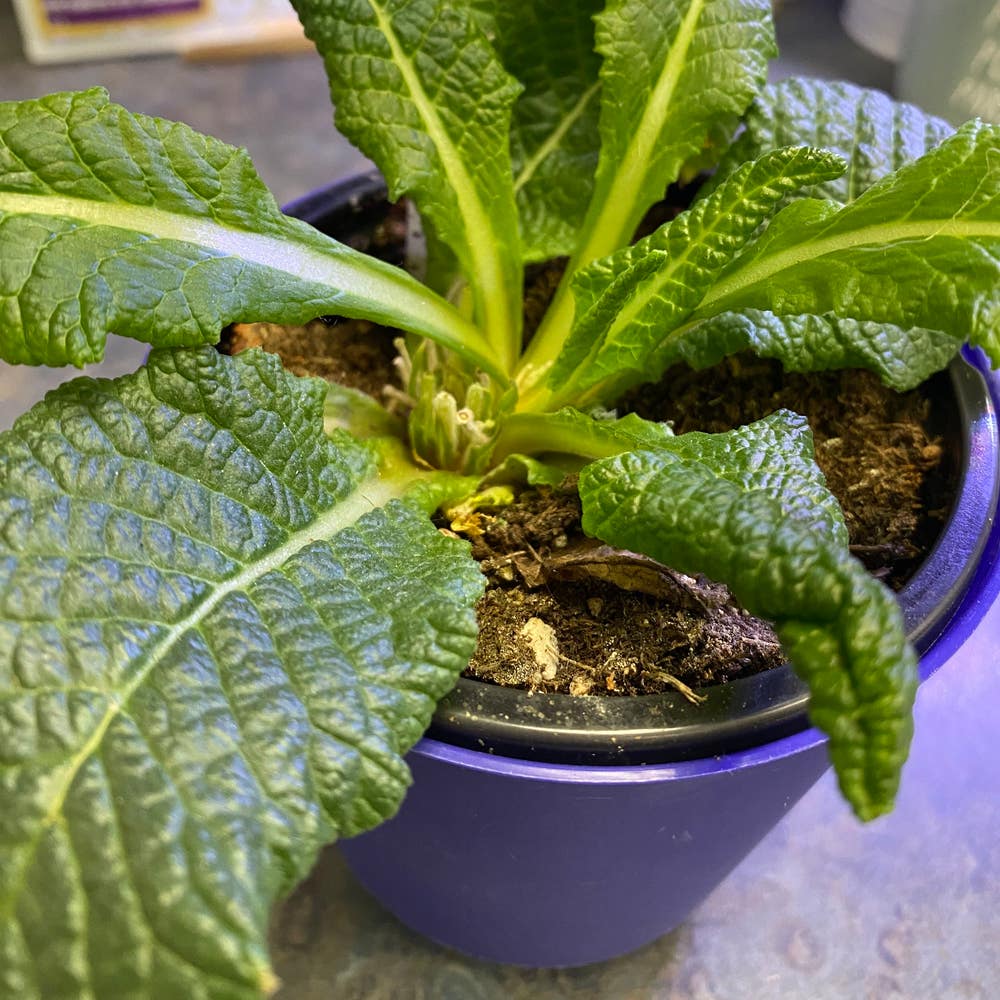
🌸 Introduction to Primrose 'Belarina Cobalt Blue'
Primula vulgaris 'Kerbelcob'
By the Greg Editorial Team
Jan 24, 2025•11 min read
This article was created with the help of AI so we can cover more plants for you. May contain errors. See one? Report it here.
- 🌼 Primrose 'Belarina Cobalt Blue' thrives in partial shade to full sun, perfect for any garden.
- 💧 Moist, well-drained soil is essential; avoid overwatering to prevent root rot.
- 🌱 Regular deadheading and trimming promote new blooms and healthy growth throughout the season.
How to Grow
Choosing a Location 🌳
Primrose 'Belarina Cobalt Blue' thrives in partial shade to full sun. For optimal growth, choose a location that is sheltered from strong winds to protect these delicate blooms.
Soil Preparation 🧑🌾
This plant prefers well-drained, moist soil. Enhance your soil by adding organic matter, which improves both drainage and moisture retention.
Planting Techniques 🌱
When planting, ensure you place the primrose at the same depth as it was in the nursery pot. Space your plants 12-18 inches apart to allow for healthy growth.
Watering Requirements 💧
Keep the soil consistently moist, but avoid waterlogging. Watch for signs of overwatering, such as yellowing leaves or root rot, which can harm your plant.
Fertilizing Schedule 🌼
Use a balanced, slow-release fertilizer to nourish your primrose. Apply it in early spring and again in mid-summer for the best results.
Pruning Methods ✂️
Regular deadheading is essential; remove spent flowers to encourage new blooms. In early spring, trim back any damaged or dead leaves to promote healthy growth.
Ongoing Care Tips 🔍
Stay vigilant by regularly monitoring for pests and diseases. Mulching is a great way to retain moisture and suppress weeds, keeping your garden tidy.
Outdoor vs. Container Growing 🪴
If you're opting for container gardening, ensure your pots have drainage holes to prevent water buildup. Container gardening offers mobility and a controlled environment, making it easier to manage your plants.
With these tips, you're well on your way to cultivating a thriving Primrose 'Belarina Cobalt Blue'. Next, let’s explore the various propagation methods to expand your garden even further.
Propagation
🌱 Seed Propagation
To propagate Primrose 'Belarina Cobalt Blue' from seeds, start by surface sowing or lightly covering the seeds with soil. Under optimal conditions, expect germination to take between 14 to 30 days.
✂️ Division Method
The best time to divide your primrose plants is in early spring or fall. Carefully separate the clumps and replant them immediately to ensure they thrive in their new locations.
🌿 Cuttings Method
For the cuttings method, select healthy stems that are about 3 to 4 inches long. Use a rooting medium that combines peat and perlite for the best results, promoting healthy root development.
This propagation knowledge sets the stage for nurturing your primrose plants effectively. Next, let's explore the lifecycle of this beautiful perennial.
Lifecycle
Lifecycle Stages 🌱
Primrose 'Belarina Cobalt Blue' is a perennial, meaning it will return year after year. This resilience makes it a favorite among gardeners looking for reliable blooms.
Germination Process 🌡️
For successful germination, maintain an optimal temperature of 65-70°F (18-21°C). This warm environment encourages seeds to sprout effectively.
Seedling Stage 🌿
Once germinated, the seedling stage lasts about 4-6 weeks until true leaves appear. During this time, ensure they receive adequate light and moisture.
Vegetative Growth 🌳
The vegetative growth phase occurs from spring to early summer. This is when the plant focuses on developing strong foliage and roots.
Flowering Phase 🌸
Expect blooms to emerge from late winter to early spring. The vibrant cobalt blue flowers will brighten your garden and attract pollinators.
Seed Production 🌾
After flowering, seeds can be collected. This typically happens in late spring, allowing you to propagate new plants for next season.
Time to Maturity ⏳
Primrose 'Belarina Cobalt Blue' reaches full growth in approximately one year. This moderate timeline makes it a rewarding addition to any garden.
Growth Speed ⚡️
The growth rate is moderate, with flowering usually occurring within the first year. This means you won't have to wait long to enjoy its stunning blooms.
With a solid understanding of the lifecycle, you can better appreciate the journey of your Primrose 'Belarina Cobalt Blue' from seed to stunning flower. Next, let's explore the size of this beautiful plant and how it fits into your garden design.
Size
Mature Height and Spread 🌱
Primrose 'Belarina Cobalt Blue' typically reaches a height of 8 to 12 inches. Its spread can extend from 12 to 18 inches wide, making it a lovely addition to any garden space.
Growth Rate 🚀
This perennial exhibits a moderate growth rate, achieving its full size within a single growing season. With proper care, you can expect vibrant blooms in the first year.
Size Variability Based on Conditions 🌦️
Several factors can influence the size of your Primrose. Light exposure, soil quality, and moisture levels all play critical roles in determining how robust your plants will grow.
Understanding these variables can help you create the ideal environment for your Primrose, ensuring they thrive and showcase their stunning cobalt blue flowers.
As you consider these aspects, remember that a little attention to detail can lead to a flourishing garden.
Roots
🌱 Root System Characteristics
Primrose 'Belarina Cobalt Blue' features a fibrous root system. This type of root structure allows for efficient nutrient absorption and stability in the soil.
📏 Root Depth and Spread
The roots of this primrose are typically shallow, spreading horizontally. This characteristic helps the plant access moisture and nutrients from the upper layers of the soil.
⚠️ Common Root Issues
One of the most common problems faced by Primrose is root rot. This condition often arises from overwatering and poor drainage, leading to unhealthy roots.
🔍 Identifying Healthy vs. Unhealthy Roots
Healthy roots are firm, white, and spread evenly throughout the soil. In contrast, unhealthy roots appear brown, mushy, or may emit a foul smell, indicating decay.
🌿 Recognizing Rootbound Plants
Rootbound plants exhibit signs such as stunted growth and roots growing out of drainage holes. If you notice these symptoms, it's time to repot the plant into a larger container or divide it to promote healthy growth.
Understanding the root system of your Primrose is crucial for its overall health. By monitoring root conditions and addressing issues promptly, you can ensure your plant thrives beautifully.
Next, let’s explore the benefits of growing Primrose 'Belarina Cobalt Blue' in your garden.
Benefits
Aesthetic Appeal 🌸
Primrose 'Belarina Cobalt Blue' dazzles with its vibrant cobalt blue flowers. These blooms not only brighten up your garden but also create a stunning focal point that draws the eye.
Attracting Pollinators 🐝
These flowers are a magnet for bees and butterflies, making them a fantastic choice for promoting biodiversity. By planting them, you’re not just beautifying your space; you’re also supporting essential pollinators.
Erosion Control 🌍
As a ground cover, Primrose helps prevent soil erosion in garden beds. Its dense foliage stabilizes the soil, making it an eco-friendly choice for your landscape.
Cultural Significance 🎉
In many cultures, Primrose symbolizes youth and renewal. They are often featured in spring celebrations, adding a touch of joy and vibrancy to festivities.
Therapeutic Benefits 🧘♀️
The calming presence of Primrose in gardens promotes relaxation. Spending time around these beautiful plants can enhance your mood and provide a serene escape from daily stress.
With all these benefits, it's clear that Primrose 'Belarina Cobalt Blue' is more than just a pretty flower. It enriches gardens in multiple ways, making it a worthwhile addition to any outdoor space.
Next, let’s explore the concept of companion planting and discover which plants thrive alongside Primrose.
Companion Plants
Concept of Companion Planting 🌱
Companion planting is all about creating a harmonious garden environment. It enhances growth, improves pest management, and boosts overall garden diversity.
Best Companion Plants 🌼
When it comes to Primrose 'Belarina Cobalt Blue', consider pairing it with ferns, hostas, and other shade-loving plants. These companions thrive in similar conditions, providing a lush backdrop that complements the vibrant cobalt blue flowers.
Plants to Avoid 🚫
While many plants can coexist peacefully, be cautious of aggressive species. Avoid planting alongside plants that may outcompete Primrose for nutrients and space, as this can hinder its growth and flowering potential.
By choosing the right companions, you can create a thriving garden that showcases the beauty of Primrose while promoting a balanced ecosystem. Next, let’s explore the potential toxicity of Primrose to humans and pets.
Toxicity to Humans
⚠️ Potential Irritants
While Primrose 'Belarina Cobalt Blue' is a beautiful addition to any garden, it's important to be aware that its leaves and flowers can cause irritation. Handling these parts of the plant may lead to discomfort for some individuals.
🤕 Symptoms of Irritation
If irritation occurs, symptoms may include skin rashes, itching, or mild gastrointestinal upset. These reactions can vary in severity, so it's wise to be cautious.
🧤 Handling Precautions
To minimize the risk of irritation, always wear gloves when handling Primrose. This simple step can help protect your skin and ensure a more enjoyable gardening experience.
🏥 When to Seek Medical Care
If you experience persistent or worsening symptoms after contact with the plant, it's best to consult a healthcare professional. Taking proactive measures can help you stay safe while enjoying the beauty of your garden.
As we explore the benefits of Primrose, understanding its potential irritants ensures a positive gardening experience. Next, we'll delve into its effects on pets, particularly dogs.
Toxicity to Dogs
Safety of Primrose Around Dogs 🐶
Primrose 'Belarina Cobalt Blue' is not listed as toxic by major pet poison control centers. This means you can enjoy its beauty without worrying too much about your furry friends.
Minor Issues from Consumption 🤢
While generally safe, consuming large amounts of primrose may lead to mild gastrointestinal upset in dogs. Symptoms could include slight stomach discomfort or nausea, but these are typically not severe.
Tips for Introducing to Homes with Dogs 🏡
To ensure a harmonious coexistence, place primrose plants out of reach of your dogs. It's also wise to monitor their interactions with the plant, especially if they are prone to nibbling on greenery.
With these precautions, you can enjoy the vibrant blooms of primrose while keeping your canine companions safe. Next, let’s explore how this lovely plant interacts with our feline friends.
Toxicity to Cats
Safety of Primrose Around Cats 🌼
Primrose 'Belarina Cobalt Blue' is generally safe for cats. It is not listed as toxic by major pet poison control centers, which is great news for cat lovers who want to enjoy these beautiful flowers in their gardens.
Minor Issues from Consumption 🤢
While the plant is non-toxic, consuming large quantities may lead to mild gastrointestinal upset in cats. Symptoms could include slight nausea or digestive discomfort, but these are typically not serious.
Tips for Introducing to Homes with Cats 🏡
When introducing Primrose into a home with cats, consider proper placement. Keep the plant out of reach and monitor your cat's behavior around it to ensure they don't nibble too much. This way, you can enjoy the vibrant blooms without worrying about your furry friend.
As you cultivate your garden, remember that a little caution goes a long way in keeping both your plants and pets happy!
Problems
🌧️ Common Issues Faced
Growing Primrose 'Belarina Cobalt Blue' can be rewarding, but it’s not without its challenges. One of the most common issues is incorrect watering, which can manifest as either overwatering or underwatering.
🔍 Identifying Unhealthy Plants
To keep your plants thriving, watch for signs of distress. Symptoms like wilting, yellowing leaves, and stunted growth indicate that something is off with your care routine.
🛠️ Solutions for Specific Problems
If you suspect overwatering, the solution is straightforward: reduce the frequency of watering and improve drainage. On the other hand, if your plants are underwatered, simply increase your watering frequency and check the soil moisture regularly.
By staying vigilant and responsive to these common problems, you can ensure your Primrose remains vibrant and healthy. Next, let’s explore the pests that might disrupt your gardening success.
Bugs
🛡️ Pest Resistance
Primrose 'Belarina Cobalt Blue' is moderately pest-resistant, making it a resilient choice for your garden. However, vigilance is key to keeping these beautiful blooms thriving.
🐜 Common Pests Affecting Primrose
Two common pests that might invade your primrose are spider mites and aphids. Spider mites leave fine webbing on leaves, while aphids create a sticky residue and cause leaves to curl.
🔍 Identification and Damage Caused
Identifying damage early can save your plants. Look for signs like stunted growth and leaf drop, which indicate that pests are making themselves at home.
🧴 Treatment Options
To combat these pests, consider using neem oil or insecticidal soap. Additionally, introducing beneficial insects can help maintain a healthy balance in your garden ecosystem.
By staying proactive about pest management, you can ensure your primrose flourishes beautifully. Next, let’s explore what animals might be tempted to munch on these lovely plants.
What Eats Primrose
🦌 Common Garden Animals That Eat Primrose
Primrose plants can attract a variety of garden animals, with deer and rabbits being the most notable culprits. Look for signs like chewed leaves and stems from deer, while rabbits leave behind cleanly cut foliage.
⚠️ Damage Caused by Animals
When these animals feast on your primrose, it can lead to significant damage. Browsing on the foliage often results in stunted growth, which can hinder the plant's overall health and blooming potential.
🚫 Deterrent Methods
To protect your beloved primrose, consider implementing a few deterrent strategies. Fencing around your garden can be effective, while using repellents can help keep these animals at bay. Additionally, companion planting with less palatable species can create a natural barrier against herbivores.
With these tips, you can enjoy the beauty of your primrose without the worry of unwanted nibblers!
⚠️ Safety First
This content is for general information and may contain errors, omissions, or outdated details. It is not medical, veterinary advice, or an endorsement of therapeutic claims.
Always consult a qualified healthcare professional before using any plant as food, medicine, or supplement.
Never eat any plant (or feed one to pets) without confirming its identity with at least two trusted sources.
If you suspect poisoning, call Poison Control (800) 222-1222, the Pet Poison Helpline (800) 213-6680, or your local emergency service immediately.
Spotted an error? Please report it here.
Create a vibrant garden oasis 🌿 with Primrose 'Belarina Cobalt Blue' by using Greg's tailored watering alerts and expert care tips to keep your blooms thriving year after year!