🌸 3 Tips for Pollinating Dwarf Verbena
Verbena tenuisecta
By the Greg Editorial Team
Oct 20, 2024•6 min read
This article was created with the help of AI so we can cover more plants for you. May contain errors. See one? Report it here.
Unlock the secrets of Dwarf Verbena's pollination to create a thriving garden ecosystem! 🌱
- 🌼 Dwarf Verbena attracts bees, butterflies, and hummingbirds with its vibrant flowers and sweet nectar.
- 🤝 Self-pollination ensures seed production, but cross-pollination boosts plant resilience and diversity.
- 🌱 Hand pollination during peak bloom enhances fertilization success for healthier plants.
Flower Structure
Description of Characteristics 🌸
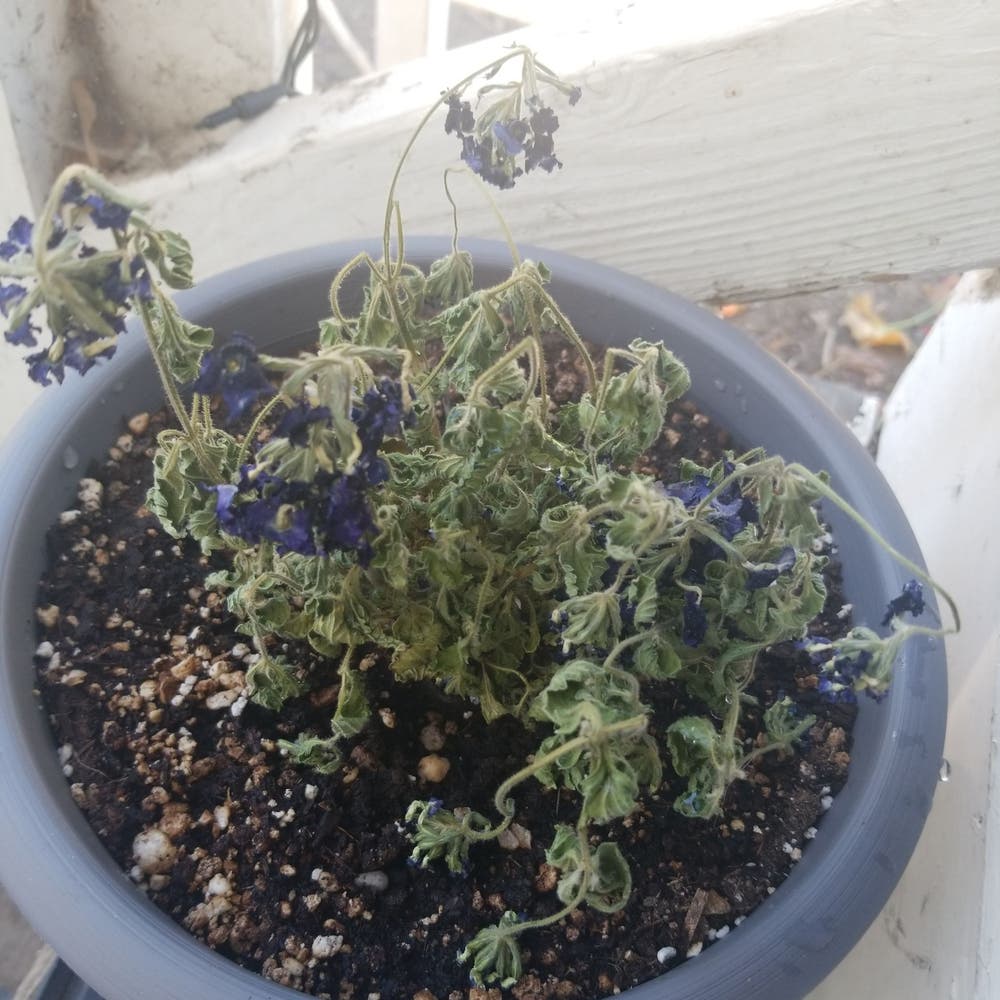
Dwarf Verbena features small, tubular flowers that are beautifully arranged in dense clusters. These clusters predominantly showcase shades of purple or lavender, making them visually appealing to a variety of pollinators.
The arrangement of these flowers is not just for aesthetics; it plays a crucial role in attracting pollinator species. The dense formations provide easy access for insects, ensuring that the flowers are hard to miss.
Role in Pollination 🐝
Dwarf Verbena is primarily self-pollinating, thanks to its unique flower anatomy. This self-pollination mechanism ensures that the plant can produce seeds even when pollinators are scarce.
However, cross-pollination is equally important. While self-pollination occurs, engaging with other plants can enhance genetic diversity, which is vital for the overall health of the species. This diversity can lead to stronger plants that are more resilient to environmental changes.
As we explore the pollination process further, we'll uncover how these mechanisms work in tandem to support the thriving ecosystem around Dwarf Verbena.
Pollination Process
Self-Pollination Mechanism 🌼
Dwarf Verbena has a fascinating self-pollination mechanism. Pollen from the stamens easily transfers to the pistils within the same flower, ensuring seed production even when pollinators are absent.
This self-sufficiency is a game-changer for gardeners. It means you can still enjoy vibrant blooms and seed production, regardless of the pollinator activity in your area.
Cross-Pollination 🌍
While self-pollination is effective, cross-pollination adds another layer of vitality.
Primary Pollinators
- Bees: Their attraction to the flower's color and nectar is crucial for pollination.
- Butterflies: They flock to the flower clusters, drawn by the sweet nectar.
- Moths and Hummingbirds: These creatures are active at specific times, further enhancing the pollination process.
These pollinators not only help with reproduction but also contribute to the genetic diversity of the plants.
Attraction Mechanisms 🎯
Dwarf Verbena employs several strategies to attract its pollinators.
Nectar Production
The sweet nectar is a major draw for various pollinator species.
Flower Color and Arrangement
Bright colors and dense clusters make the flowers highly visible, ensuring that pollinators can easily find them.
These attraction mechanisms are essential for maintaining a healthy ecosystem and ensuring the continued success of Dwarf Verbena.
As we explore the next section, we'll delve into the natural pollination methods that further support this beautiful plant's reproductive success.
Natural Pollination
🌬️ Pollen Transfer Mechanisms
Natural pollination is a fascinating process that relies on both wind and insect activity. Pollen can be transferred by breezes or by pollinators flitting from flower to flower, ensuring that Dwarf Verbena can reproduce effectively.
This transfer is crucial for maintaining genetic diversity, which leads to healthier plants. Without it, the genetic pool could stagnate, making the species more vulnerable to diseases and environmental changes.
🌸 Seasonal Variations
Dwarf Verbena boasts a long blooming season, but this can vary significantly based on environmental conditions. Factors like temperature and rainfall can influence how long the flowers remain vibrant and available for pollination.
Understanding these seasonal variations helps gardeners plan for optimal pollination opportunities. By aligning planting schedules with peak blooming times, you can maximize the chances of successful pollination and a thriving garden.
As we explore the next section, consider how you can support pollinators in your own space.
Hand Pollination Techniques
Hand pollination can be a rewarding way to ensure your dwarf verbena thrives. Here’s how to do it effectively.
Step 1: Identify Male and Female Flower Parts 🌸
First, locate the male and female parts of the flower. The male parts are the stamens, which produce pollen, while the female part is the pistil, where pollen needs to land.
Step 2: Collecting Pollen 🧹
Next, gather the pollen. Use a small brush or a cotton swab to gently collect pollen from the stamens. This step requires a delicate touch to avoid damaging the flower.
Step 3: Transferring Pollen 🔄
Now, it's time to transfer the pollen. Carefully apply the collected pollen to the pistil of the same flower or another flower. This ensures that fertilization can occur.
Step 4: Timing ⏰
Timing is crucial for success. Perform this process during peak blooming hours when the flowers are most receptive. This increases your chances of successful pollination.
Hand pollination not only boosts your plant's productivity but also deepens your connection to the gardening process. With these techniques, you can enhance the health and beauty of your dwarf verbena.
Next, let’s explore how to support pollinators in your garden for even better results.
Supporting Pollinators
🌼 Creating a Pollinator-Friendly Environment
To attract a variety of pollinators, it's essential to incorporate plant diversity in your garden. Different species of flowering plants can draw in bees, butterflies, and other beneficial insects, creating a vibrant ecosystem.
Minimizing pesticide use is equally important. Chemicals can harm these vital pollinators, so opting for organic methods or natural repellents can help maintain a healthy garden environment.
🌱 Suggested Companion Plants
Consider adding marigolds to your garden. These bright flowers not only attract beneficial insects but also deter pests that can harm your dwarf verbena.
Lavender is another excellent choice. Its fragrant blooms provide nectar and are particularly appealing to bees and butterflies, enhancing your garden's pollinator activity.
Creating a welcoming habitat for pollinators is a rewarding endeavor. By making thoughtful plant choices and reducing chemical use, you contribute to a thriving ecosystem that benefits both your garden and the environment.
As you nurture your pollinator-friendly space, you'll find that supporting these creatures leads to healthier plants and a more vibrant garden. Next, let’s explore the challenges that can arise in the pollination process.
Pollination Challenges
🚧 Common Obstacles
Pollination can face several challenges that hinder the process. Environmental factors like temperature and humidity significantly impact pollinator activity, making it crucial to understand their effects.
Urban areas often experience a lack of pollinators due to habitat loss. This scarcity can lead to reduced pollination rates, affecting plant health and reproduction.
💡 Solutions
To combat these challenges, consider planting in clusters. This strategy increases visibility and accessibility for pollinators, making it easier for them to find your dwarf verbena.
Timing your planting is also essential. Aligning bloom times with peak pollinator activity ensures that your flowers are ready when pollinators are most active.
🌍 Impact of Environmental Factors
Temperature plays a vital role in pollinator behavior. Warmer conditions can enhance activity, while extreme heat may deter them from visiting flowers.
Humidity also affects nectar availability. High humidity can make nectar more accessible, encouraging pollinators to visit your plants more frequently.
Understanding these challenges and solutions can help you create a thriving environment for your dwarf verbena. By addressing these factors, you can enhance pollination success and promote healthier plants.
⚠️ Safety First
This content is for general information and may contain errors, omissions, or outdated details. It is not medical, veterinary advice, or an endorsement of therapeutic claims.
Always consult a qualified healthcare professional before using any plant as food, medicine, or supplement.
Never eat any plant (or feed one to pets) without confirming its identity with at least two trusted sources.
If you suspect poisoning, call Poison Control (800) 222-1222, the Pet Poison Helpline (800) 213-6680, or your local emergency service immediately.
Spotted an error? Please report it here.
Boost your Dwarf Verbena blooms 🌼 by using Greg's tailored reminders for optimal pollination timing and attracting those vital pollinators!