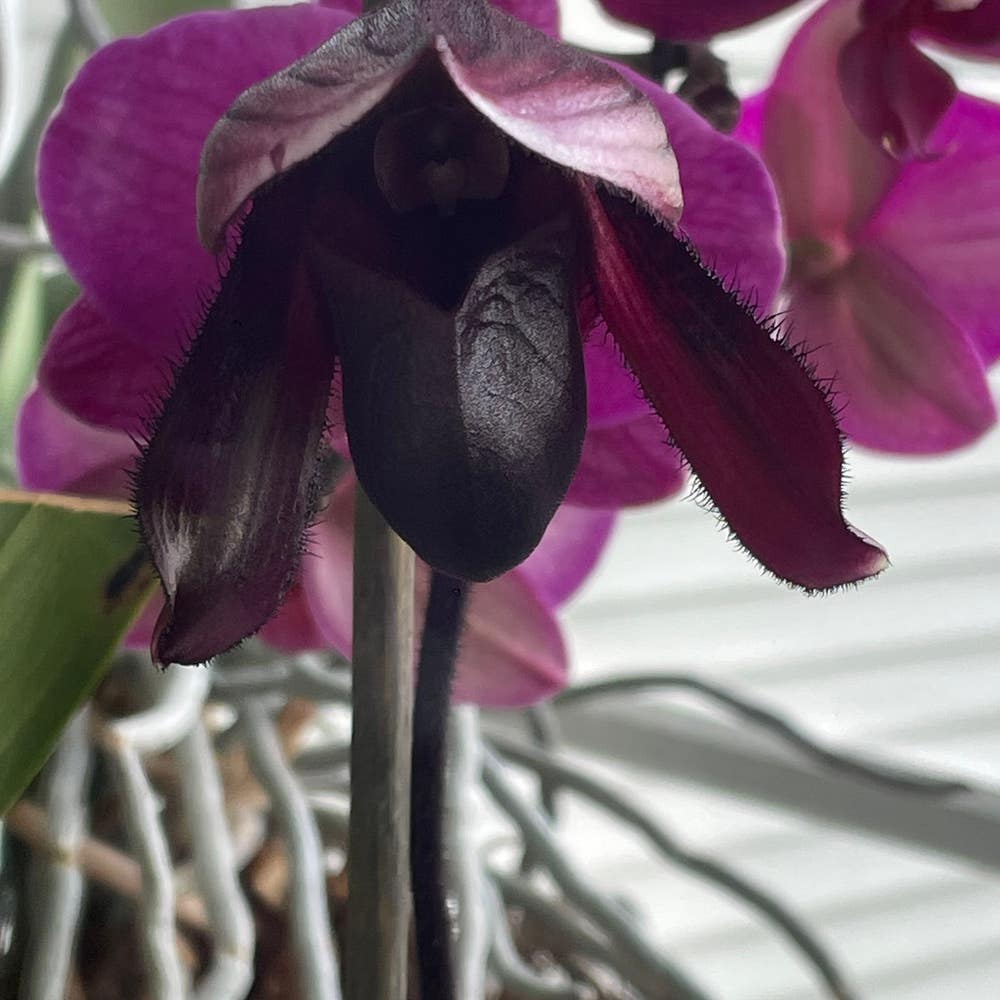
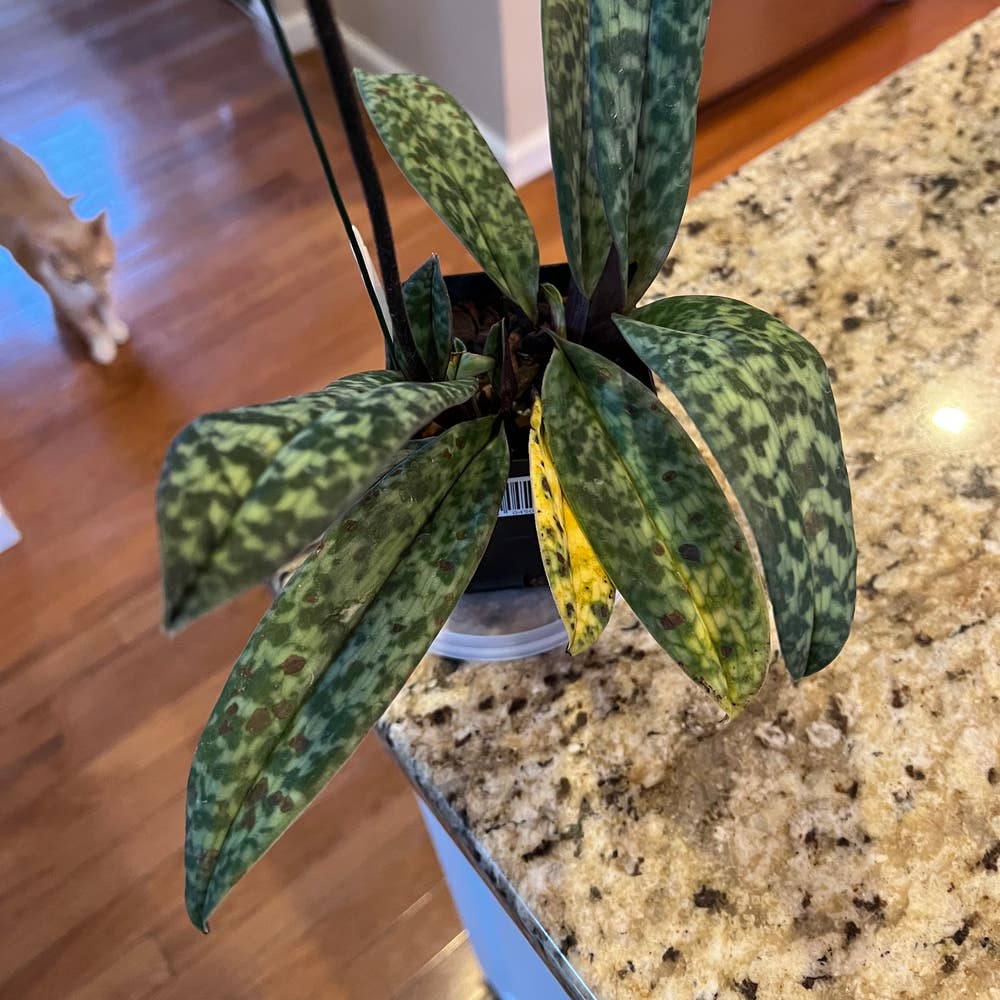
What is a Paphiopedilum 'Booth's Saint-Bern'? Complete Guide 🐶
Paphiopedilum 'Booth's Saint-Bern'
By the Greg Editorial Team
Feb 03, 2025•14 min read
This article was created with the help of AI so we can cover more plants for you. May contain errors. See one? Report it here.
- 🌱 Paphiopedilum 'Booth's Saint-Bern' thrives in low to moderate light for optimal growth.
- 💧 Consistent moisture and well-draining mix are crucial to prevent root rot.
- 🌸 Monthly fertilization supports blooming; ideal humidity is 50-70% for healthy plants.
How to Grow
🌍 Choosing a Location
To thrive, Paphiopedilum 'Booth's Saint-Bern' prefers low to moderate light, mimicking its natural understory habitat. Whether you choose to grow it indoors or outdoors, ensure it receives filtered light to prevent leaf burn.
🪴 Soil Preparation
A well-draining, moisture-retentive potting mix is essential for this orchid. A combination of bark and sphagnum moss works best, with a soil pH that leans slightly acidic to neutral.
🌱 Planting Techniques
When selecting a container, prioritize size and drainage. The pot should be large enough to accommodate growth but not so big that it retains excess moisture.
💧 Watering Requirements
Keep the soil consistently moist, but avoid waterlogging. Using distilled or rainwater is ideal, as it prevents mineral buildup that can harm the plant.
🌿 Fertilizing Schedule
Opt for a balanced orchid fertilizer to nourish your Paphiopedilum. Fertilize monthly during the growing season to support healthy growth and blooming.
✂️ Pruning Methods
Pruning is vital for maintaining plant health and aesthetics. Remove any dead or yellowing leaves to encourage new growth and improve airflow.
🌡️ Ongoing Care Tips
Monitor humidity levels, aiming for an ideal range of 50-70%. Additionally, maintain daytime temperatures between 20°C to 25°C (68°F to 77°F) for optimal growth.
With these foundational care tips, your Paphiopedilum 'Booth's Saint-Bern' will flourish beautifully. Next, let’s explore how to propagate this stunning orchid.
Propagation
Division Method 🌱
Dividing your Paphiopedilum 'Booth's Saint-Bern' is a great way to propagate this stunning orchid. The best time to do this is in the spring or right after flowering, as the plant is in a growth phase.
To divide the plant, follow these steps:
- Prepare your tools: Use a clean, sharp knife or scissors to avoid any infections.
- Remove the plant from its pot: Gently take the plant out, being careful not to damage the roots.
- Identify the divisions: Look for natural separations in the root system. Aim for sections that have at least a few healthy roots and leaves.
- Cut the divisions: Carefully slice through the roots to separate the sections.
- Re-pot each division: Place them in new pots with fresh potting media, ensuring they are secure and at the right depth.
Seed Propagation 🌼
Seed propagation is another exciting way to grow Paphiopedilum 'Booth's Saint-Bern'. However, it requires a bit more patience and specific conditions.
For successful seed germination, you need:
- Sterile environment: Use sterilized media to prevent fungal infections.
- Humidity: Maintain high humidity levels, ideally around 70-80%.
- Temperature: Keep the temperature between 20°C to 25°C (68°F to 77°F).
Once you’ve sown the seeds, expect a timeframe of about 6 to 12 months for seedlings to develop. During this period, ensure they receive adequate light and moisture, and watch them grow into beautiful orchids.
With these propagation methods, you can expand your collection or share the beauty of Paphiopedilum 'Booth's Saint-Bern' with friends and family. Next, let’s explore the lifecycle of this remarkable plant and understand its growth stages.
Lifecycle
Life Cycle Stages 🌱
Paphiopedilum 'Booth's Saint-Bern' is classified as a perennial plant, meaning it lives for multiple years and blooms seasonally. This classification allows it to thrive in various conditions, making it a favorite among orchid enthusiasts.
Germination Conditions 🌡️
For successful germination, the seeds require a warm, humid environment with good air circulation. Maintaining a temperature between 20°C to 25°C (68°F to 77°F) is crucial for optimal growth.
Seedling Phase Care 🌿
During the seedling phase, which lasts about 6 to 12 months, it's essential to provide consistent moisture and indirect light. This period is critical for establishing a strong foundation for future growth.
Vegetative Growth Characteristics 🌳
Once established, the plant enters its vegetative growth stage, typically lasting 1 to 2 years. During this time, you’ll notice the development of leaves and roots, which are vital for the plant's overall health.
Timing of Flowering 🌼
Flowering usually occurs annually, with blooms appearing in late winter to early spring. The right conditions, including adequate light and humidity, can enhance the frequency and quality of blooms.
Seed Production Overview 🌾
After flowering, the plant produces seeds, which can take several months to mature. This process is essential for propagation and maintaining the species.
Average Lifespan ⏳
With proper care, Paphiopedilum 'Booth's Saint-Bern' can exceed 10 years. This longevity makes it a rewarding addition to any collection.
Growth Rate Factors ⚡️
The growth rate can vary based on environmental factors such as light, humidity, and temperature. Providing optimal conditions will ensure your plant reaches its full potential in a timely manner.
As you nurture your Paphiopedilum 'Booth's Saint-Bern', understanding its lifecycle will help you provide the best care possible. Next, let’s explore the size of this beautiful orchid and what you can expect as it matures.
Size
Mature Height and Spread 🌱
Paphiopedilum 'Booth's Saint-Bern' typically reaches a height of 12 to 18 inches and can spread about 12 inches wide. This compact size makes it an ideal choice for both indoor and outdoor gardens.
Growth Habits 🌿
This orchid exhibits a clumping growth habit, producing multiple stems from a central base. Its leaves are broad and leathery, adding a lush appearance to any space.
Factors Affecting Size 📏
Several factors can influence the size of your Paphiopedilum 'Booth's Saint-Bern'.
- Growing Conditions: Light, humidity, and temperature all play crucial roles in determining how large your plant will grow.
- Container Size: A larger pot can encourage more extensive root development, leading to a bigger plant.
- Environmental Factors: Adequate airflow and proper watering can significantly impact growth rates.
Understanding these elements will help you cultivate a thriving orchid that reaches its full potential.
Roots
🌱 Root System Characteristics
Paphiopedilum 'Booth's Saint-Bern' features a fibrous and rhizomatous root system. This unique structure allows the plant to absorb nutrients efficiently while providing stability.
📏 Depth and Spread
In containers, the roots typically extend to a depth of about 6 to 12 inches. They can spread outwards, occupying a similar width, which is crucial for healthy growth.
⚠️ Common Root Issues
Root rot is a common concern for this orchid, often indicated by mushy, discolored roots. Squishy roots signal overwatering or poor drainage, requiring immediate attention.
👀 Identifying Healthy vs. Unhealthy Roots
Healthy roots are firm and have a vibrant green or white color. In contrast, unhealthy roots appear brown, mushy, or shriveled, indicating a need for intervention.
🌿 Recognizing Rootbound Plants
Signs of a rootbound plant include roots growing out of the drainage holes or circling tightly within the pot. To remedy this, repotting into a larger container with fresh media is essential for revitalizing growth.
Understanding the root system of your Paphiopedilum 'Booth's Saint-Bern' is vital for its overall health. With proper care, these roots will thrive, supporting a beautiful and resilient plant.
Benefits
Aesthetic Appeal 🌺
Paphiopedilum 'Booth's Saint-Bern' boasts stunning flowers that can elevate any garden's visual appeal. Their unique shapes and vibrant colors create a captivating focal point, making them a favorite among orchid enthusiasts.
Air Purification 🌬️
These orchids contribute positively to indoor air quality. By absorbing toxins and releasing oxygen, they help create a healthier living environment.
Symbolism and Cultural Significance 🎭
Orchids, including Paphiopedilum, carry rich cultural meanings. They often symbolize luxury, beauty, and strength, making them a thoughtful gift for various occasions.
Therapeutic Benefits 🧘♀️
Gardening with Paphiopedilum 'Booth's Saint-Bern' can be a source of stress relief. Engaging with plants promotes mental well-being, offering a calming effect that enhances overall happiness.
Biodiversity Contribution 🌍
Incorporating these orchids into your garden supports biodiversity. They attract pollinators and contribute to a balanced ecosystem, enriching the environment around them.
Transitioning from the benefits of Paphiopedilum 'Booth's Saint-Bern', let's explore how to effectively propagate this beautiful orchid.
Companion Plants
🌱 Concept of Companion Planting
Companion planting is the practice of growing different plants together for mutual benefits. This technique can enhance growth, deter pests, and improve overall plant health.
🌼 Best Companion Plants
When considering companions for your Paphiopedilum 'Booth's Saint-Bern', look for plants with similar care needs. Here are some excellent options:
- Phalaenopsis Orchids: Share similar humidity and light requirements.
- Ferns: Thrive in similar low-light conditions and help maintain humidity.
- Peace Lilies: Enjoy similar moisture levels and can help purify the air.
These companions not only coexist well but also contribute to a vibrant indoor garden.
🚫 Plants to Avoid
While many plants can thrive alongside Paphiopedilum 'Booth's Saint-Bern', some should be avoided. Here are a few that may compete for resources or harm your orchid:
- Cacti: Require much drier conditions and can lead to root issues.
- Succulents: Similar to cacti, they thrive in low humidity, which can stress your orchid.
- Heavy Feeders: Plants that require more nutrients may outcompete your orchid for essential resources.
Choosing the right companions can create a thriving ecosystem in your garden, enhancing the beauty and health of your Paphiopedilum 'Booth's Saint-Bern'. Next, let’s explore the potential toxicity of this orchid to pets, ensuring a safe environment for your furry friends.
Toxicity to Humans
Safety Overview 🛡️
Paphiopedilum 'Booth's Saint-Bern' is considered non-toxic to humans, as confirmed by major health organizations. This means you can enjoy its beauty without worrying about harmful effects.
Mild Reactions 🤕
However, it's worth noting that some individuals may experience mild skin irritation or digestive discomfort if they come into excessive contact with the plant. Always exercise caution and wash your hands after handling it.
Seeking Medical Advice 🩺
If you notice any unusual symptoms after contact, it's important to seek medical advice. Staying informed helps ensure a safe and enjoyable experience with your orchid.
With this knowledge, you can appreciate your Paphiopedilum 'Booth's Saint-Bern' while keeping safety in mind. Next, let’s explore its toxicity to pets, particularly dogs.
Toxicity to Dogs
Safety Overview 🐶
Paphiopedilum 'Booth's Saint-Bern' is considered non-toxic to dogs, according to veterinary organizations. This means you can enjoy this beautiful orchid without worrying about your furry friends getting sick.
Mild Gastrointestinal Upset 🤢
While the plant is safe, it's important to note that excessive consumption may lead to mild gastrointestinal upset in dogs. If your dog decides to munch on a leaf or two, keep an eye out for any signs of discomfort.
Recommendations for Placement 📍
To ensure your dog's safety, consider placing your Paphiopedilum out of reach. Monitoring your dog's behavior around the plant can also help prevent any accidental snacking.
Conclusion 🎉
With proper care and attention, you can enjoy the beauty of Paphiopedilum 'Booth's Saint-Bern' while keeping your canine companions safe. Now, let's explore how this orchid interacts with our feline friends.
Toxicity to Cats
Safety Overview 🐱
Paphiopedilum 'Booth's Saint-Bern' is considered non-toxic to cats, according to major health organizations. This means you can enjoy the beauty of this orchid without worrying about your feline friends getting harmed.
Mild Gastrointestinal Upset 🤢
While the plant is safe, excessive consumption may lead to mild gastrointestinal upset in cats. It's always a good idea to monitor your pet's behavior around plants, just to be safe.
Recommendations for Placement 🏡
To keep your cat safe, place the orchid in areas that are less accessible to them. Consider hanging baskets or elevated shelves to deter curious paws.
Monitoring Cat Behavior 👀
Keep an eye on your cat's interactions with the plant. If you notice any unusual behavior or signs of discomfort, consult your veterinarian for advice.
With these precautions, you can enjoy your Paphiopedilum 'Booth's Saint-Bern' while ensuring your furry companions stay healthy and happy.
Problems
Common Issues Faced 🌱
Growing Paphiopedilum 'Booth's Saint-Bern' can be a rewarding experience, but it’s not without its challenges. Here are the top five common problems you might encounter with this beautiful orchid.
1. Root Rot 🚫
Root rot is a frequent issue, often caused by overwatering or poor drainage. Symptoms include yellowing leaves and a mushy root system.
To resolve root rot, reduce watering frequency and ensure your pot has adequate drainage. If the roots are severely affected, consider repotting the plant in fresh, well-draining media.
2. Leaf Spotting 🕵️♀️
Leaf spotting can occur due to fungal infections or water sitting on the leaves. Look for dark, water-soaked spots that may spread over time.
To treat leaf spotting, remove affected leaves and improve air circulation around the plant. Avoid overhead watering to keep the foliage dry.
3. Pest Infestations 🐜
Common pests like aphids and mealybugs can invade your Paphiopedilum. Signs include sticky residue on leaves and visible insects.
To manage pests, regularly inspect your plant and use insecticidal soap or neem oil as a treatment. Keeping your plant clean can also help prevent infestations.
4. Poor Flowering 🌸
If your orchid isn’t blooming, it might be due to inadequate light or improper fertilization. Look for signs of healthy foliage but no flowers.
To encourage blooming, ensure your plant receives low to moderate light and use a balanced orchid fertilizer monthly during the growing season.
5. Yellowing Leaves 💛
Yellowing leaves can indicate various issues, including nutrient deficiencies or environmental stress. Check for overall plant health and adjust care accordingly.
To revive yellowing leaves, assess your watering routine and consider fertilizing if nutrient levels are low. Ensure the plant is in a suitable environment with proper humidity and temperature.
By being proactive and attentive to these common issues, you can keep your Paphiopedilum 'Booth's Saint-Bern' thriving and beautiful. Next, let’s explore the fascinating world of companion plants that can enhance your orchid's growth and health.
Bugs
Common Pests 🐜
Paphiopedilum 'Booth's Saint-Bern' can attract a variety of pests that threaten its health. The most common culprits include aphids, mealybugs, spider mites, and scale insects.
Identification and Damage Caused 🔍
- Aphids: These tiny, soft-bodied insects cluster on new growth and flower buds, sucking sap and causing distortion.
- Mealybugs: Recognizable by their white, cottony appearance, they also feed on sap, leading to yellowing leaves and stunted growth.
- Spider Mites: These minuscule pests create fine webbing on the undersides of leaves, causing a speckled appearance and eventual leaf drop.
- Scale Insects: They appear as small, brown bumps on stems and leaves, robbing the plant of nutrients and weakening it over time.
Treatment Options 🛠️
Managing pests on your Paphiopedilum 'Booth's Saint-Bern' requires vigilance and prompt action. Here are effective methods to keep these pests at bay:
- Regular Inspections: Check your plant weekly for any signs of pests.
- Insecticidal Soap: Spray affected areas with insecticidal soap to suffocate soft-bodied insects like aphids and mealybugs.
- Neem Oil: This natural pesticide can deter a wide range of pests, including spider mites and scale.
- Isolation: If you spot an infestation, isolate the affected plant to prevent the spread to others.
- Hygiene: Keep the growing area clean and remove any dead leaves or debris that can harbor pests.
By staying proactive and employing these strategies, you can protect your Paphiopedilum 'Booth's Saint-Bern' from unwanted pests and ensure it thrives beautifully.
What Eats Paphiopedilum 'Booth's Saint-Bern'
🐇 Common Garden Animals
Paphiopedilum 'Booth's Saint-Bern' can attract various garden animals that may cause damage. Common culprits include:
- Snails and Slugs: These slimy creatures love to munch on the leaves.
- Rabbits: Known for their voracious appetites, they may nibble on the flowers and foliage.
- Deer: If they roam in your area, they might find your orchid irresistible.
- Insects: Certain insects, like aphids and caterpillars, can also pose a threat.
👀 Signs of Animal Presence
Detecting animal activity early can save your plant from significant damage. Look for these signs:
- Chewed Leaves: Irregular holes or ragged edges on leaves indicate munching.
- Droppings: Finding droppings near your plant can signal the presence of animals like rabbits or deer.
- Slime Trails: If you notice slimy trails, slugs or snails are likely the culprits.
- Footprints: Small footprints around the base of the plant can hint at animal visitors.
⚠️ Damage Description
Understanding the type of damage caused by these animals can help you take action. Here's what to look for:
- Leaf Damage: Snails and slugs create holes or leave leaves looking tattered.
- Flower Loss: Rabbits and deer may eat flowers, leading to a loss of blooms.
- Stunted Growth: Insect infestations can weaken the plant, resulting in poor growth and vitality.
🚫 Deterrent Methods
Preventing animal interactions is crucial for the health of your Paphiopedilum. Here are some effective methods:
- Chemical Repellents: Use commercial animal repellents that are safe for plants.
- Organic Solutions: Sprinkle diatomaceous earth around the base to deter slugs and snails.
- Physical Barriers: Install fencing or netting to keep larger animals like rabbits and deer at bay.
- Regular Monitoring: Keep an eye on your plant and act quickly if you notice signs of animal activity.
By being proactive and aware of potential threats, you can protect your Paphiopedilum 'Booth's Saint-Bern' and enjoy its beauty for years to come. Next, we’ll explore the common pests that can also affect this stunning orchid.
⚠️ Safety First
This content is for general information and may contain errors, omissions, or outdated details. It is not medical, veterinary advice, or an endorsement of therapeutic claims.
Always consult a qualified healthcare professional before using any plant as food, medicine, or supplement.
Never eat any plant (or feed one to pets) without confirming its identity with at least two trusted sources.
If you suspect poisoning, call Poison Control (800) 222-1222, the Pet Poison Helpline (800) 213-6680, or your local emergency service immediately.
Spotted an error? Please report it here.
Nurture your Paphiopedilum 'Booth's Saint-Bern' to bloom beautifully 🌺 with Greg's tailored care tips and watering reminders that ensure your orchid thrives in its perfect environment!