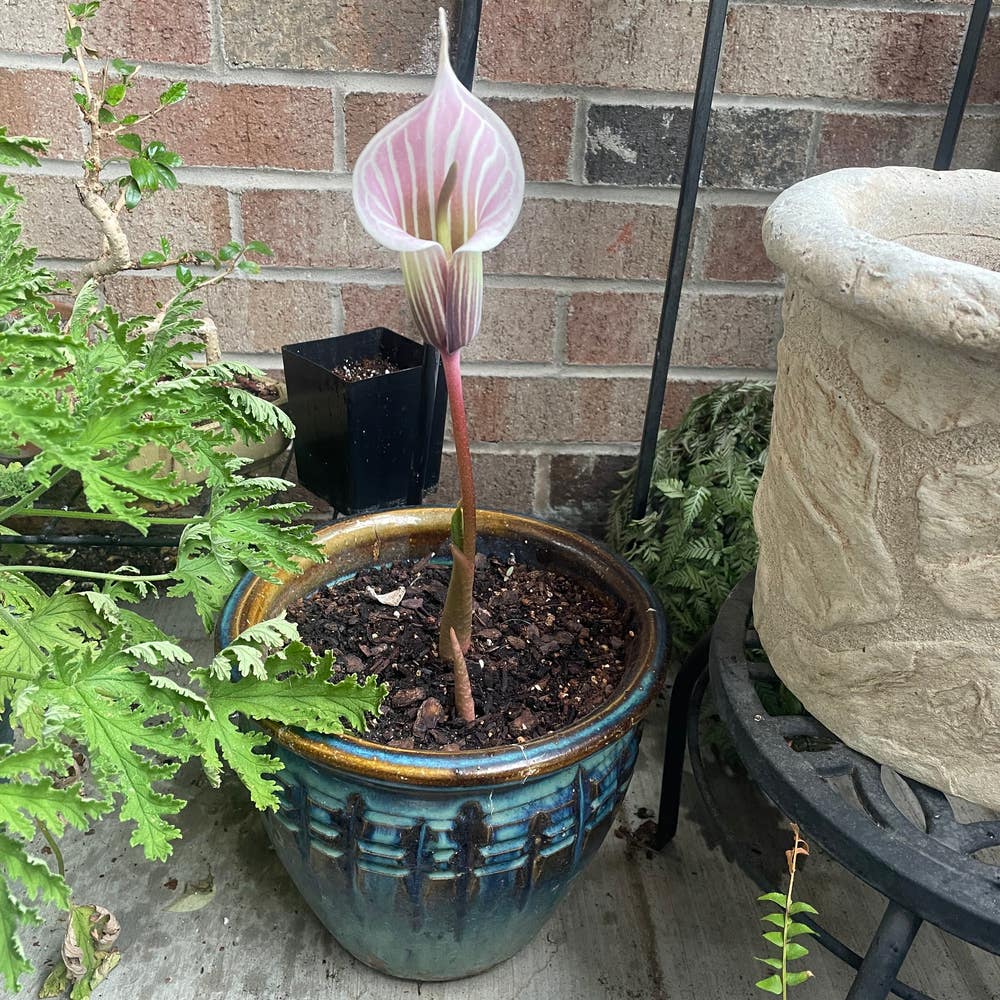
🐍 Mildbraed's Cobra Lily Explained: Key Information
Arisaema mildbraedii
By the Greg Editorial Team
Feb 21, 2025•8 min read
This article was created with the help of AI so we can cover more plants for you. May contain errors. See one? Report it here.
Unlock the secrets to thriving Mildbraed's Cobra Lily 🌱 and elevate your garden with expert care tips!
- 🌞💧 Mildbraed's Cobra Lily thrives in high humidity and full sun to partial shade.
- 🌱 Use well-draining, acidic soil with a pH of 5.5 to 6.5 for optimal growth.
- ⚠️ All parts are toxic to humans and pets; handle with care!
How to Grow
Choosing a Location 🌞
To thrive, Mildbraed's Cobra Lily needs a spot with full sun to partial shade. It also loves high humidity, ideally between 60-80%, and prefers temperatures ranging from 20°C to 30°C (68°F to 86°F).
Soil Preparation 🏜️
This plant flourishes in well-draining, acidic soil with a pH of 5.5 to 6.5. To enhance drainage, mix in sand or perlite, ensuring the roots can breathe.
Planting Techniques 🌱
When planting, dig a hole 2-3 inches deep. For outdoor planting, space each plant 12-18 inches apart to allow for healthy growth.
Watering Requirements 🚰
Keep the soil consistently moist, but avoid waterlogging. Using distilled or rainwater is best to prevent mineral buildup that can harm the plant.
Fertilizing Schedule 🍽️
Opt for a low-nitrogen, high-phosphorus fertilizer to support growth. Fertilize every 4-6 weeks during the growing season for optimal results.
Pruning and Ongoing Care ✂️
After flowering, trim back any dead leaves to keep the plant healthy. During dormancy, adjust your watering and humidity levels to match the plant's needs.
With these tips, you’ll be well on your way to nurturing a thriving Mildbraed's Cobra Lily. Next, let’s explore how to propagate this unique plant for even more growth opportunities.
Propagation
🌱 Methods of Propagation
Mildbraed's Cobra Lily can be propagated through two primary methods: seeds and division. Each method has its unique advantages and can be chosen based on your gardening preferences.
- Seeds: Collect and sow seeds in spring for a rewarding experience.
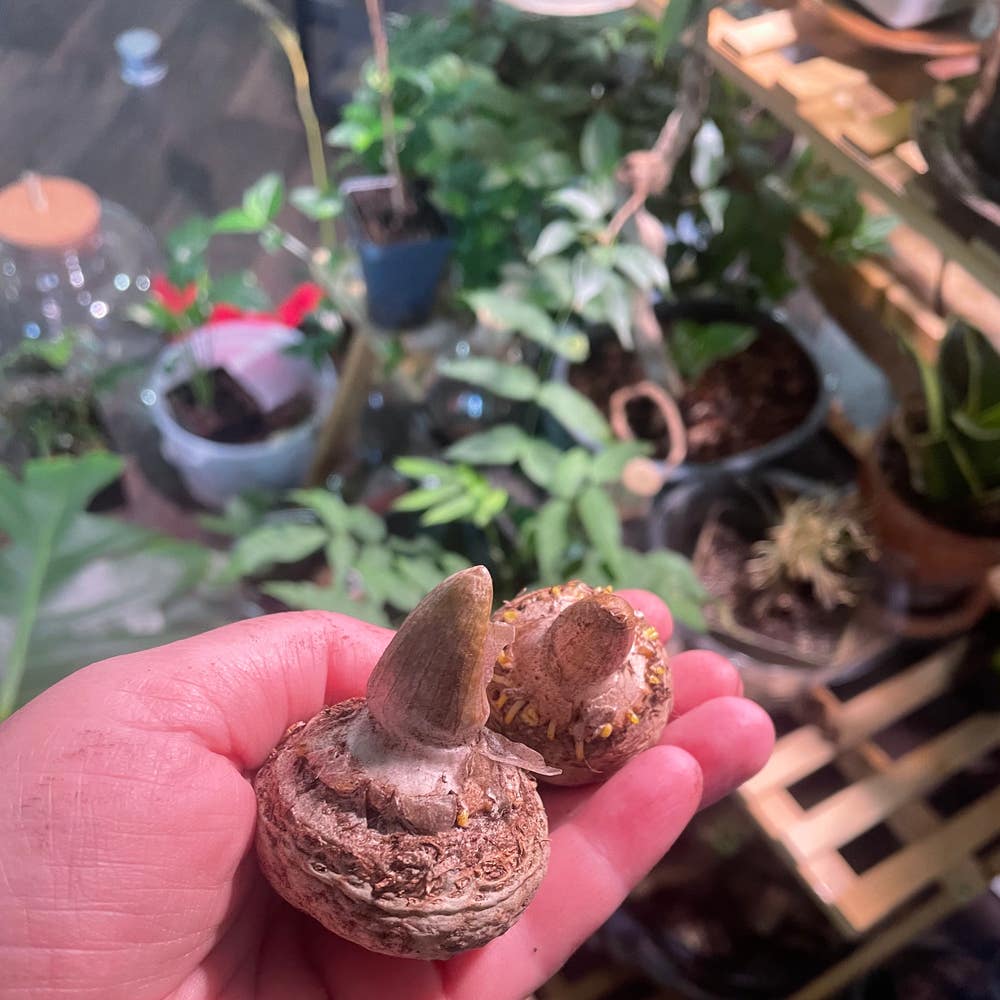
- Division: This method involves separating rhizomes during the growing season, which is straightforward and effective.
📋 Step-by-Step Instructions for Each Method
🌱 Seeds (difficulty: moderate)
- Soak Seeds: Begin by soaking the seeds for 24 hours before planting. This helps to enhance germination rates.
- Sow Seeds: Plant the seeds in a moist, acidic medium. Ensure that the environment maintains high humidity until germination occurs.
✂️ Division (difficulty: easy)
- Choose Healthy Rhizomes: Select robust rhizomes that have healthy roots. This ensures a better chance of successful growth.
- Cut into Sections: Carefully cut the rhizomes into sections, making sure each piece has at least one growth bud. This is crucial for future growth.
- Replant Immediately: Place the sections into suitable soil right away. This minimizes stress on the plant and promotes quicker establishment.
By following these propagation methods, you can expand your Mildbraed's Cobra Lily collection and enjoy the beauty of this unique plant in your garden. Next, let’s explore the lifecycle of this fascinating plant and understand its growth stages.
Lifecycle
Lifecycle Stages 🌱
The lifecycle of Mildbraed's Cobra Lily unfolds in distinct stages. It begins with germination, which takes about 2-4 weeks after sowing.
Next, the seedling stage lasts 4-8 weeks, during which true leaves develop. Following this, the plant enters vegetative growth, lasting 3-6 months until it reaches maturity.
Flowering occurs in late spring to early summer, followed by seed production in late summer.
Duration Until Maturity ⏳
This fascinating plant typically reaches full maturity in approximately 1-2 years.
Patience is key, as the Cobra Lily rewards your care with its unique beauty.
Growth Rate Specifics 📈
Under optimal conditions, expect a moderate growth rate of 6-12 inches per year.
This steady growth makes it an exciting addition to any garden, as you can witness its transformation over time.
In summary, understanding the lifecycle of Mildbraed's Cobra Lily helps you provide the best care, ensuring a thriving plant that captivates with its striking appearance.
Next, let’s explore the size of this remarkable plant and what you can expect as it matures.
Size
Mature Height and Spread 🌱
Mildbraed's Cobra Lily reaches a mature height of 24 to 36 inches (60 to 90 cm). Its spread typically ranges from 12 to 18 inches (30 to 45 cm), making it a striking addition to any garden.
Growth Rate and Time to Reach Full Size ⏳
This plant takes about 1 to 2 years to reach its full size. Its moderate growth rate of 6 to 12 inches per year depends significantly on the care it receives and the conditions in which it is grown.
Size Variability Based on Growing Conditions 🌍
The size of Mildbraed's Cobra Lily can vary based on several factors. Key influences include light exposure, humidity levels, and soil quality, all of which play a crucial role in determining how robust and healthy your plant will become.
As you cultivate your Cobra Lily, keep these size factors in mind to optimize its growth. Next, let’s explore the plant's toxicity and what precautions you should take.
Toxicity
Toxicity to Humans 🧑⚕️
Mildbraed's Cobra Lily is not just a beautiful plant; it’s also toxic. All parts of the plant, especially the sap, contain alkaloids and other toxic compounds that can lead to serious health issues.
Symptoms of poisoning include nausea, vomiting, diarrhea, and abdominal pain. Exposure can occur through ingestion, skin contact, or even inhalation of smoke from burning the plant. If you suspect poisoning, seek immediate medical attention.
Toxicity to Dogs 🐶
This plant poses a risk to our furry friends as well. All parts of the Cobra Lily, particularly the sap, are toxic to dogs.
Symptoms of toxicity in dogs include drooling, vomiting, diarrhea, and weakness. To prevent exposure, supervise your dog during outdoor time and consider removing the plant from your garden.
Toxicity to Cats 🐱
Cats are not immune to the dangers of Mildbraed's Cobra Lily. Like dogs, all parts of the plant, especially the sap, can be harmful.
Signs of toxicity in cats mirror those in dogs, including drooling, vomiting, diarrhea, and weakness. To keep your feline safe, keep them indoors and supervise their outdoor activities.
Conclusion 📜
Understanding the toxicity of Mildbraed's Cobra Lily is crucial for the safety of both humans and pets. Always handle this plant with care and be vigilant about its presence in your home and garden.
Next, let’s explore common problems faced when growing this unique plant.
Problems
Common Problems Faced When Growing 🌱
Growing Mildbraed's Cobra Lily can be rewarding, but it comes with its share of challenges. Here are some common issues you might encounter:
- Incorrect watering: Overwatering can lead to root rot, while underwatering may cause wilting.
- Incorrect light conditions: Insufficient light can result in leaf scorch or etiolation, where the plant stretches toward the light.
- Incorrect temperature: Extreme temperatures can stunt growth or induce dormancy.
- Diseases: Fungal issues like powdery mildew and root rot can plague your plant if conditions aren't right.
- Leaf issues: Yellowing leaves or fuzzy growth can indicate underlying problems.
Identification and Causes of Issues 🔍
Identifying the root cause of these problems is crucial for effective care.
- Overwatering: If you notice yellowing leaves or a soggy soil texture, it’s time to adjust your watering schedule and improve drainage.
- Light issues: If your plant shows signs of stress, consider relocating it to a spot with better light conditions.
By staying vigilant and responsive to these common problems, you can keep your Mildbraed's Cobra Lily thriving. Next, let’s explore potential pest issues that may arise in your garden.
Bugs
🐛 Potential Pest Issues
Mildbraed's Cobra Lily is generally resilient against pests, but it can still face challenges. The most common culprits include spider mites, which leave fine webbing and cause leaf stippling, and mealybugs, identifiable by their cotton-like masses on leaves.
🧼 Effective Treatment Options
To combat these pests, neem oil serves as a natural pesticide that effectively targets various insects. Additionally, insecticidal soap can be a powerful ally against soft-bodied pests, ensuring your Cobra Lily stays healthy and vibrant.
By staying vigilant and addressing pest issues promptly, you can maintain the beauty and health of your Cobra Lily. Next, let’s explore the common animals that might be tempted to munch on your plant.
What Eats
🦌 Common Animals That May Eat or Damage
Mildbraed's Cobra Lily can attract a few hungry visitors. Deer are known to browse on its leaves and flowers, while rabbits may gnaw on its stems and foliage.
🕵️♂️ Signs of Animal Presence and Damage Caused
Keep an eye out for signs of these critters. Look for deer tracks and droppings near your plant, or chewed leaves and stems that indicate rabbit activity.
🚫 Methods for Deterring or Managing These Animals
To protect your Cobra Lily, consider implementing some deterrents. Fencing is an effective way to create barriers that prevent access, while using commercial or homemade repellents can help keep these animals at bay.
By staying vigilant and proactive, you can enjoy your Cobra Lily without the worry of unwanted munchers. Next, let’s explore potential pest issues that could affect your plant’s health.
⚠️ Safety First
This content is for general information and may contain errors, omissions, or outdated details. It is not medical, veterinary advice, or an endorsement of therapeutic claims.
Always consult a qualified healthcare professional before using any plant as food, medicine, or supplement.
Never eat any plant (or feed one to pets) without confirming its identity with at least two trusted sources.
If you suspect poisoning, call Poison Control (800) 222-1222, the Pet Poison Helpline (800) 213-6680, or your local emergency service immediately.
Spotted an error? Please report it here.
Transform your garden with a thriving Cobra Lily 🌱 by using Greg's personalized care reminders and expert tips to meet its unique needs for sunlight and humidity!