🪴 When and How to Repot Your Dwarf Verbena
Verbena tenuisecta
By the Greg Editorial Team
Oct 20, 2024•8 min read
This article was created with the help of AI so we can cover more plants for you. May contain errors. See one? Report it here.
Unlock your dwarf verbena's full potential by mastering the signs it needs repotting! 🌱
- 🌱 Repot when roots show through drainage holes or growth stalls.
- 🕰️ Best time to repot is early spring, just before new growth starts.
- 🧰 Gather materials like pots and soil before starting the repotting process.
Signs That Dwarf Verbena Needs Repotting
Physical Indicators 🌱
If your dwarf verbena is showing roots emerging from the drainage holes, it’s a clear sign that it’s time for a new pot. Stunted growth or reduced flowering can also indicate that the plant is outgrowing its current home.
Another telltale sign is soil that dries out too quickly after watering. This can mean the roots are filling the pot, leaving little room for moisture retention.
Environmental Factors 🌍
Watch for your plant becoming top-heavy or unstable. This can lead to tipping over, which is not only unsightly but can also damage the roots.
Additionally, keep an eye out for signs of root rot or poor drainage in the current pot. If you notice any mushy roots or a foul smell, it’s definitely time to repot.
Timing Considerations ⏰
The best time to observe these signs is during the growing season, which runs from spring to early summer. This is when your dwarf verbena is most active and will benefit the most from a fresh start in a new pot.
Recognizing these signs early can help ensure your dwarf verbena continues to thrive. By staying vigilant, you can provide the care it needs to flourish.
Ideal Timing for Repotting Dwarf Verbena
🌱 Seasonal Recommendations
The best time to repot your dwarf verbena is early spring, just before new growth kicks in. This timing allows the plant to adjust and thrive in its new environment.
If you miss that window, late summer is a suitable alternative, especially if your plant is clearly outgrowing its pot. Just be cautious, as repotting too late can stress the plant.
🔄 Growth Cycle Awareness
Repotting before blooming is crucial for maintaining your dwarf verbena's health and vigor. It ensures that the plant has the necessary space and nutrients to support its growth.
Avoid repotting during flowering, as this can lead to unnecessary stress. Keeping your plant happy during its blooming phase is key to vibrant flowers and overall vitality.
Step-by-Step Guide to Repotting Dwarf Verbena
Repotting your Dwarf Verbena can seem daunting, but with the right approach, it can be a straightforward process. Follow these steps to ensure your plant thrives in its new home.
1. Gather Your Materials 🛠️
Start by collecting the essentials: a new pot, a suitable soil mix, gardening gloves, and your favorite tools. Having everything at hand makes the process smoother.
2. Choose the Right Pot Size 📏
Select a pot that is 1-2 inches larger in diameter than the current one. This extra space allows your plant to grow without becoming root-bound.
3. Prepare the New Pot 🧱
Before planting, check that the new pot has adequate drainage holes. Adding a layer of gravel or small stones at the bottom enhances drainage and prevents waterlogging.
4. Remove the Dwarf Verbena 🌱
Gently loosen the soil around the edges of the current pot. Carefully lift the plant, taking care to minimize disturbance to the roots.
5. Inspect the Roots 🔍
Examine the roots closely. Healthy roots should be white; trim away any brown or mushy ones to promote better growth.
6. Place the Plant in the New Pot 🌿
Position your Dwarf Verbena at the same depth it was in the old pot. Fill in with fresh soil mix, ensuring there are no air pockets that could hinder growth.
7. Water Thoroughly 💧
After planting, water the Dwarf Verbena thoroughly. This helps settle the soil and eliminates any remaining air pockets.
8. Label the Pot 🏷️
Finally, label the pot with the date of repotting. This simple step helps you track your plant's care and growth over time.
By following these steps, you can ensure your Dwarf Verbena continues to flourish in its new environment. Next, let’s explore the best pot materials to use for your plant.
Pot Material Options
Best Pot Materials for Dwarf Verbena 🌱
When choosing a pot for your Dwarf Verbena, terracotta is a top contender. Its excellent drainage capabilities and porous nature help prevent overwatering, making it ideal for this plant.
Ceramic pots are another good option. They provide decent insulation, and opting for unglazed varieties enhances breathability, which is crucial for healthy root development.
Pot Materials to Avoid for Dwarf Verbena 🚫
On the flip side, plastic pots can be problematic. They often retain too much moisture, which can lead to root rot if you're not careful.
Metal pots are also best avoided. They can heat up quickly, potentially damaging the sensitive roots of your Dwarf Verbena.
Comparison of Pot Materials ⚖️
Let's break down the pros and cons of different pot materials:
| Material | Pros | Cons |
|---|---|---|
| Terracotta | Excellent drainage | Can dry out quickly |
| Ceramic | Good insulation | Heavier than plastic |
| Plastic | Lightweight and affordable | Retains too much moisture |
| Metal | Stylish appearance | Can overheat roots |
Choosing the right pot material is essential for the health of your Dwarf Verbena. With the right pot, you'll set the stage for vibrant growth and blooming.
Next, let's explore the soil requirements that will further enhance your plant's health.
Soil Requirements
Best Soil Mix for Dwarf Verbena 🌱
To keep your Dwarf Verbena thriving, use a soil mix that’s just right. A blend of 50% potting soil, 30% perlite, and 20% compost provides optimal drainage and nutrients.
Importance of Drainage in Soil for Dwarf Verbena 🚰
Good drainage is crucial for Dwarf Verbena. Poor drainage can lead to root rot, which is a common issue for many gardeners.
To ensure your soil mix maintains adequate drainage, consider these tips:
- Use Perlite: This lightweight material improves aeration and drainage.
- Check Soil Moisture: Always monitor moisture levels to avoid overwatering.
- Test Drainage: After watering, ensure excess water drains out of the pot.
By paying attention to these factors, you can create a healthy environment for your Dwarf Verbena to flourish.
Next, let’s explore common mistakes to avoid when repotting your plant.
Common Repotting Mistakes
🚫 Mistakes to Avoid When Repotting Dwarf Verbena
Repotting can be a delicate process, and a couple of common mistakes can hinder your Dwarf Verbena's health. One major pitfall is overwatering immediately after repotting, which can suffocate roots and lead to root rot.
Another mistake is choosing a pot that is too large. A bigger pot means more soil, which retains excess moisture and can drown your plant.
🛡️ How to Prevent Root Shock During Repotting
To minimize root shock, focus on techniques that reduce disturbance. Gently loosen the soil around the roots and avoid tearing them; this helps maintain their integrity.
Maintaining soil moisture before and after repotting is crucial. Water the plant a day or two prior to repotting, and ensure the new soil is adequately moist to help your Dwarf Verbena adjust smoothly.
By avoiding these mistakes and employing careful techniques, you can ensure a successful repotting experience. This sets the stage for your plant to thrive in its new environment.
Troubleshooting
What to Do If Dwarf Verbena Shows Stress After Repotting 🌱
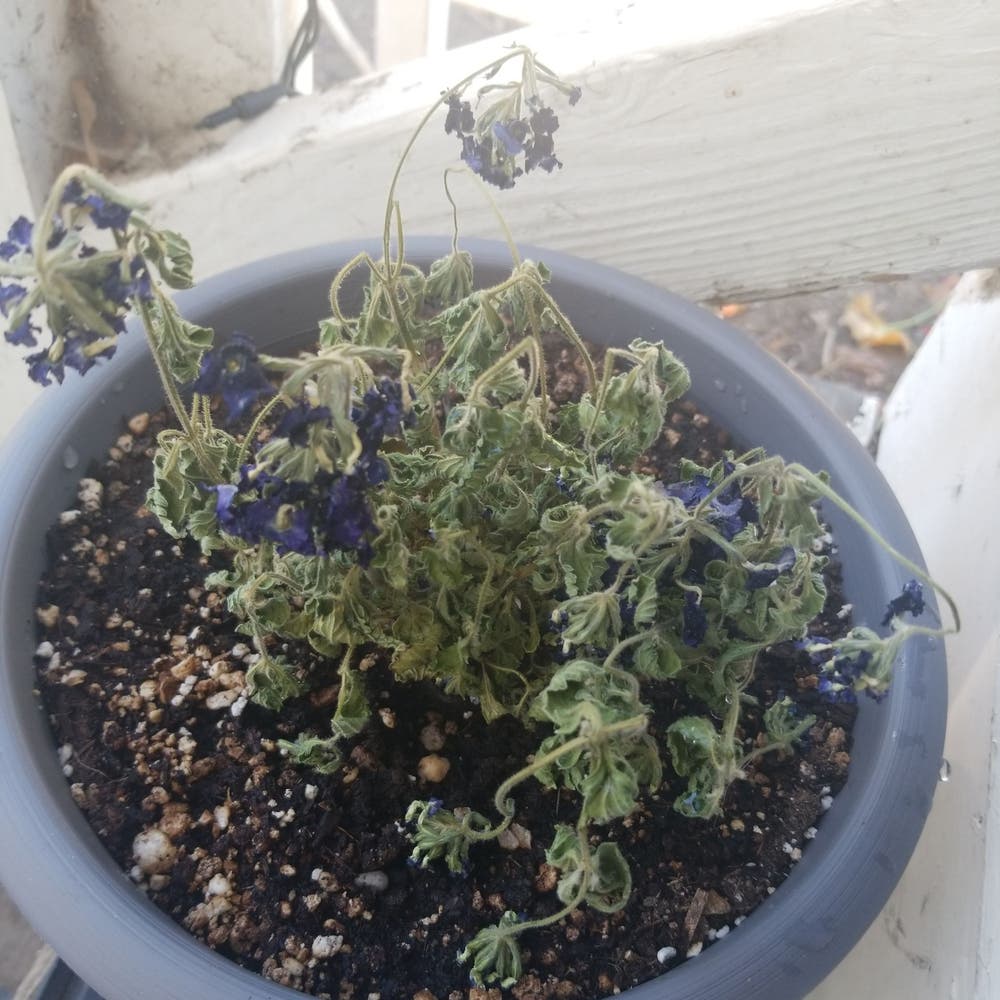
After repotting, your Dwarf Verbena might show signs of stress, such as wilting, yellowing leaves, or stunted growth. These symptoms can be alarming, but they often indicate that the plant needs some adjustments.
To help your plant recover, start by adjusting your watering routine. Ensure the soil is moist but not soggy, as overwatering can exacerbate stress. Next, check for pests that might be lurking, as they can further weaken your plant. Lastly, ensure your Dwarf Verbena is receiving adequate light; too little can hinder its recovery.
Signs of Overwatering or Underwatering Post-Repotting 💧
Identifying whether your Dwarf Verbena is overwatered or underwatered is crucial for its health. Overwatering typically manifests as yellowing leaves and mushy roots, indicating that the plant is drowning. If you notice these signs, reduce your watering frequency and allow the soil to dry out before the next watering.
On the other hand, underwatering presents itself through wilting and dry soil. If your plant is showing these symptoms, give it a good soak and monitor the moisture levels closely. Balancing your watering routine is key to keeping your Dwarf Verbena thriving.
As you troubleshoot, remember that patience is essential. Your plant may need time to adjust after repotting. With the right care, it will bounce back and continue to flourish.
⚠️ Safety First
This content is for general information and may contain errors, omissions, or outdated details. It is not medical, veterinary advice, or an endorsement of therapeutic claims.
Always consult a qualified healthcare professional before using any plant as food, medicine, or supplement.
Never eat any plant (or feed one to pets) without confirming its identity with at least two trusted sources.
If you suspect poisoning, call Poison Control (800) 222-1222, the Pet Poison Helpline (800) 213-6680, or your local emergency service immediately.
Spotted an error? Please report it here.
Repot your dwarf verbena like a pro 🌱 by using Greg's tailored reminders and expert tips to keep your plant thriving in its new pot!