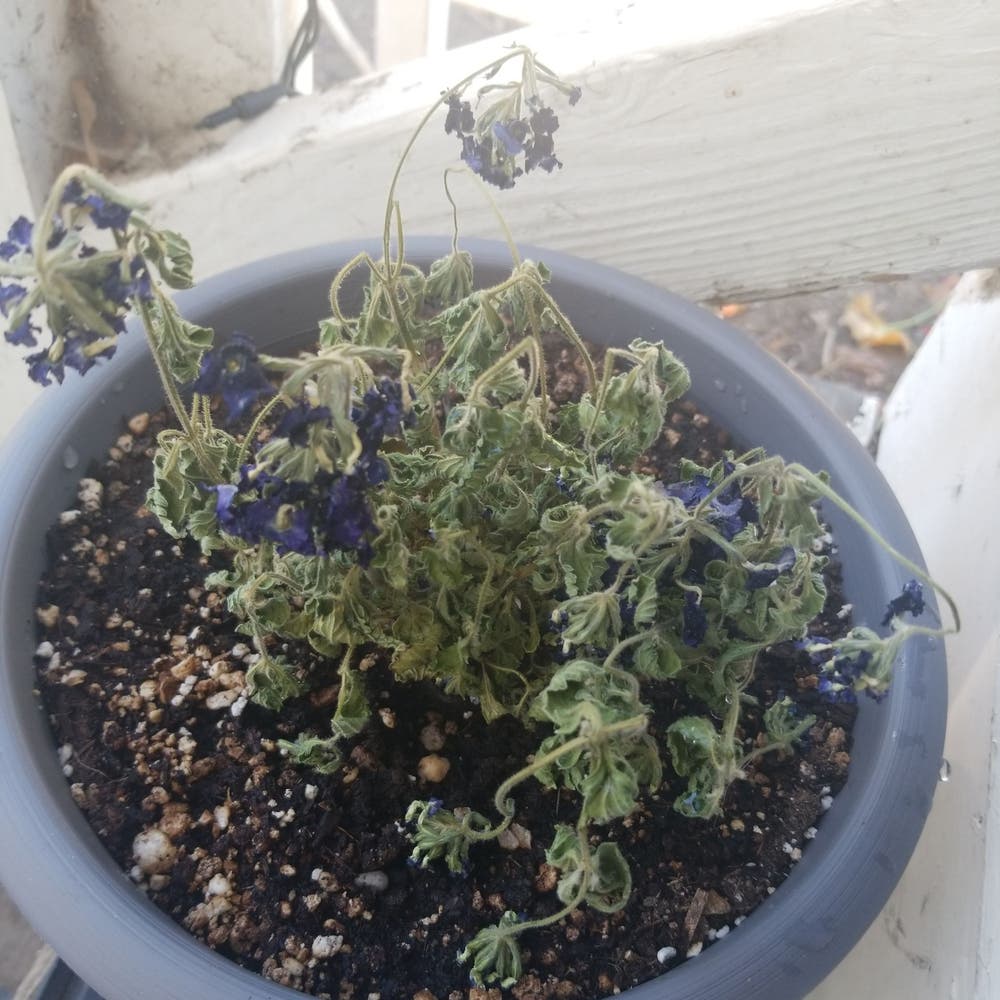
10 Tips for Pruning Dwarf Verbena ✂️
Verbena tenuisecta
By the Greg Editorial Team
Oct 20, 2024•5 min read
This article was created with the help of AI so we can cover more plants for you. May contain errors. See one? Report it here.
Unlock vibrant blooms for your dwarf verbena 🌼 with essential pruning tips and care techniques!
- ✂️ Pruning dwarf verbena boosts health and encourages vibrant blooms throughout the season.
- 🌱 Best times to prune are early spring and late summer for optimal growth.
- 🛠️ Clean tools prevent disease spread; monitor plant health post-pruning for stress signs.
Pruning Techniques for Dwarf Verbena
Step-by-Step Pruning Process 🌱
Pruning dwarf verbena is essential for maintaining its health and encouraging vibrant blooms. Start by assessing the plant's current shape and health to identify areas needing attention.
Next, remove any dead or damaged stems at the base. This step is crucial for preventing disease and promoting new growth.
To encourage bushiness, trim back leggy growth. Aim to cut stems by one-third to one-half, which will help the plant fill out.
Shaping the plant is also important. Selectively prune to maintain a rounded form, ensuring a balanced appearance.
Finally, always clean your tools after use. This practice prevents the spread of diseases between plants.
Techniques for Shaping and Encouraging Bushiness ✂️
One effective technique is pinching back the tips of stems during the growing season. This encourages lateral growth, resulting in a fuller plant.
Additionally, regularly removing spent flowers is vital. This not only keeps the plant looking tidy but also stimulates new blooms, enhancing its overall beauty.
By following these pruning techniques, you’ll ensure your dwarf verbena thrives and flourishes throughout the growing season. Next, let’s explore the best timing for pruning to maximize your plant's potential.
Timing for Pruning Dwarf Verbena
Best Seasons for Pruning 🌱
Pruning dwarf verbena at the right time is crucial for its health and blooming potential. The ideal seasons are early spring, just before new growth starts, and late summer, after the first bloom cycle, to encourage a second wave of flowers.
Signs That Pruning is Needed 🔍
Knowing when to prune is just as important as how to do it. Look for an overgrown appearance, characterized by leggy or sparse stems, and yellowing leaves or dead stems, which can indicate disease or stress.
How to Assess Plant Health Before Pruning 🧐
Before you grab those shears, take a moment to assess your plant's health. Check for signs of pests or disease, and evaluate overall vigor; healthy plants will have firm stems and vibrant foliage, signaling they're ready for a trim.
Pruning at the right time and with the right approach can make all the difference in your dwarf verbena's growth and flowering potential. Next, let’s dive into the art of deadheading, a simple yet effective way to keep your plants blooming beautifully.
Deadheading Dwarf Verbena
🌼 What is Deadheading and Why It’s Important
Deadheading is the process of removing spent flowers from your dwarf verbena. This simple act encourages further blooming and prevents seed formation, allowing the plant to focus its energy on producing new flowers.
✂️ Step-by-Step Instructions for Deadheading
- Identify spent flowers: Look for wilting or browning blooms that need attention.
- Use pruning shears: Cut the stem just above the first set of healthy leaves to promote new growth.
- Dispose of removed flowers: This helps prevent the spread of disease and keeps your garden tidy.
🌱 Benefits of Deadheading for Flowering and Growth
Deadheading extends the blooming period by encouraging new flower production. It also enhances the overall appearance of the plant, making it look vibrant and well-cared-for.
By incorporating deadheading into your regular maintenance routine, you’ll enjoy a more flourishing dwarf verbena. This practice not only boosts aesthetics but also promotes a healthier plant, setting the stage for the next section on common pruning mistakes.
Common Pruning Mistakes
✂️ Over-Pruning: Signs and Consequences
Over-pruning can leave your dwarf verbena looking bare and sad. If you notice excessive bare stems or a significant reduction in flowering, it’s a clear sign you’ve gone too far.
The consequences of over-pruning are serious. A weakened plant becomes more susceptible to diseases, compromising its overall health and beauty.
🌿 Under-Pruning: How It Affects Growth
On the flip side, under-pruning can lead to overcrowded growth. If your verbena appears bushy but produces fewer blooms, it’s time to reassess your pruning strategy.
Poor air circulation is another issue with under-pruning. This can increase the risk of fungal diseases, putting your plant at risk.
🛠️ Misusing Tools: Proper Techniques to Avoid Damage
Using the right tools is crucial for effective pruning. Always ensure your tools are clean and sharp to prevent tearing the stems.
Be mindful of your cutting technique. Avoid cutting too close to the base, as this can damage the plant and hinder its recovery.
Understanding these common pruning mistakes will help you maintain a healthy and vibrant dwarf verbena. With the right approach, your plants will thrive and bloom beautifully.
Next, let’s explore how to care for your dwarf verbena after pruning to ensure it continues to flourish.
Post-Pruning Care
🌱 How to Care for Dwarf Verbena After Pruning
After pruning, your dwarf verbena needs a bit of TLC. Start with watering: keep the soil consistently moist, but avoid waterlogging, which can lead to root rot.
Next, consider fertilization. Applying a balanced fertilizer will help your plant recover and promote new growth. This is crucial for maintaining its vibrant blooms.
👀 Monitoring Plant Health After Pruning
Keep an eye on your plant's health in the weeks following pruning. Regularly check for new growth, which is a good sign that your verbena is thriving.
Also, watch for any signs of stress, like yellowing leaves or wilting. If you notice these issues, adjust your care practices accordingly to ensure your plant remains healthy and robust.
With proper post-pruning care, your dwarf verbena will flourish, setting the stage for a stunning display of blooms.
⚠️ Safety First
This content is for general information and may contain errors, omissions, or outdated details. It is not medical, veterinary advice, or an endorsement of therapeutic claims.
Always consult a qualified healthcare professional before using any plant as food, medicine, or supplement.
Never eat any plant (or feed one to pets) without confirming its identity with at least two trusted sources.
If you suspect poisoning, call Poison Control (800) 222-1222, the Pet Poison Helpline (800) 213-6680, or your local emergency service immediately.
Spotted an error? Please report it here.
Keep your dwarf verbena thriving and bursting with blooms 🌸 by using Greg's tailored pruning reminders and care tips to guide your gardening journey!