🌸 4 Tips for Growing Dwarf Verbena
Verbena tenuisecta
By the Greg Editorial Team
Oct 20, 2024•5 min read
This article was created with the help of AI so we can cover more plants for you. May contain errors. See one? Report it here.
Cultivate a stunning garden with vibrant dwarf verbena blooms by mastering simple planting and care tips! 🌱
- ☀️ Dwarf verbena needs 6-8 hours of sunlight daily for vibrant blooms.
- 🌱 Well-draining sandy loam is ideal; amend with compost for nutrients.
- 💧 Water wisely: daily for a week, then every 1-2 weeks, allowing soil to dry.
Site Selection and Soil Preparation
Choosing the Right Location 🌞
Dwarf verbena thrives in full sun, requiring 6 to 8 hours of direct sunlight daily. This exposure not only promotes vibrant blooms but also helps prevent diseases that can arise in shaded areas.
Drainage is crucial for the health of your plants. Avoid waterlogged conditions by selecting a location with good drainage to keep roots healthy and thriving.
Soil Type and Amendments for Optimal Growth 🌱
The ideal soil for dwarf verbena is well-draining sandy loam. This type of soil allows excess water to escape while retaining just enough moisture for the plants.
To enhance drainage further, consider adding compost or perlite. These amendments improve soil structure and provide essential nutrients for robust growth.
pH Level Considerations ⚗️
For optimal growth, aim for a soil pH between 6.0 and 7.0. This range supports nutrient availability, ensuring your dwarf verbena gets what it needs.
Testing your soil pH is straightforward. You can use a home testing kit or consult professional services to ensure your soil is in the right range for planting.
With the right location and soil preparation, your dwarf verbena will be set up for success. Next, let’s explore effective planting techniques to help your plants flourish.
Planting Techniques
Step-by-Step Planting Instructions 🌱
Planting dwarf verbena is straightforward and rewarding. Start by preparing the soil: clear away any debris and amend it as needed to ensure a nutrient-rich environment.
Next, dig holes that are twice the width of the root ball. This gives the roots plenty of room to spread out and establish themselves.
Once the holes are ready, place the plant in each hole, ensuring the crown is level with the soil surface. This positioning helps prevent rot and promotes healthy growth.
Finally, backfill the holes with soil and water thoroughly. Firm the soil around the base to eliminate air pockets and provide stability.
Spacing Requirements for Outdoor and Container Planting 📏
Proper spacing is crucial for healthy growth. For outdoor planting, space your dwarf verbena 12-18 inches apart to allow for optimal air circulation.
If you're gardening in containers, use a 12-inch pot for each plant. This ensures they have enough room to thrive without competing for nutrients.
Best Planting Times ⏰
Timing your planting can make a significant difference. The ideal season for planting dwarf verbena is spring, right after the last frost.
If you miss that window, consider planting in late summer. This timing can lead to beautiful blooms in the fall, extending your garden's color and vibrancy.
With these planting techniques in mind, you're well on your way to cultivating a stunning display of dwarf verbena. Next, let’s explore how to care for your plants with proper watering and fertilizing techniques.
Watering and Fertilizing
Watering Frequency and Techniques 🌊
Watering is crucial for the health of your dwarf verbena. Initially, water daily for the first week after planting to help establish strong roots.
Once your plants are established, shift to watering every 1-2 weeks. Always allow the soil to dry out between waterings to prevent root rot.
Types of Fertilizers Suitable 🌱
Choosing the right fertilizer can make a significant difference in growth. A balanced NPK fertilizer, like 10-10-10, or slow-release options are ideal for dwarf verbena.
Fertilize every 4-6 weeks during the growing season to keep your plants thriving and vibrant.
Signs of Overwatering or Underwatering 🚰
Recognizing the signs of overwatering is essential. Look for yellowing leaves or root rot, which indicate too much moisture.
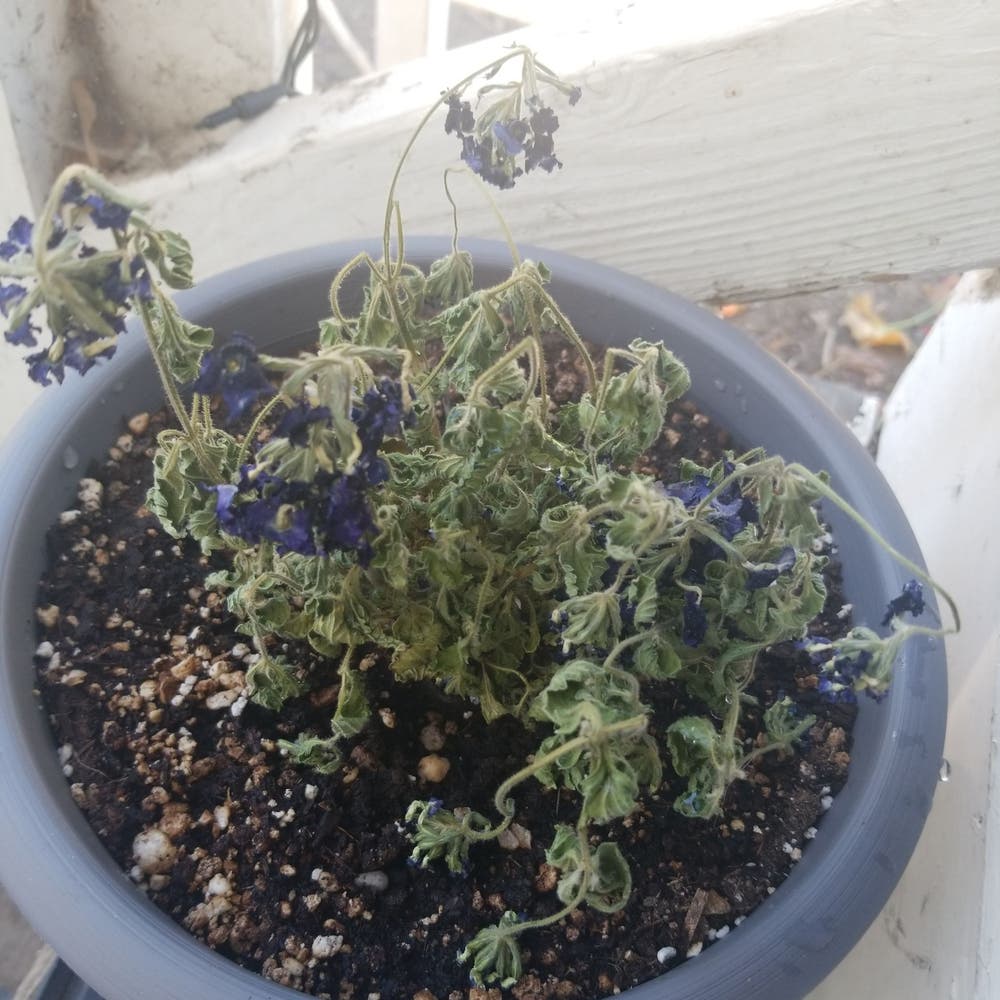
On the flip side, underwatering can lead to wilting and dry leaf edges. Adjust your watering routine based on these signs to maintain healthy plants.
With proper watering and fertilizing, your dwarf verbena will flourish, setting the stage for the next steps in care.
Pruning and Maintenance
✂️ When and How to Prune
Pruning dwarf verbena is essential for maintaining a healthy, bushy appearance. The best time to prune is early spring, just before new growth begins.
To promote bushiness, cut the plants back to about 6-8 inches. This encourages fresh growth and a fuller shape, making your garden look vibrant.
🌼 Deadheading Techniques for Prolonged Blooming
Deadheading is a simple yet effective way to encourage new blooms. By removing spent flowers, you redirect the plant's energy into producing more vibrant blossoms.
To deadhead, pinch off the faded flowers just above the leaf node. This small effort can lead to a more extended blooming period, keeping your garden lively.
🍂 Seasonal Care Routines
Each season brings unique care requirements for your dwarf verbena.
- Spring: Focus on pruning and fertilizing to kickstart growth.
- Summer: Maintain regular watering and continue deadheading to promote blooms.
- Fall: Prepare your plants for winter dormancy by reducing watering and cleaning up debris.
By following these seasonal routines, you can ensure your dwarf verbena thrives year-round. With proper care, these plants will reward you with stunning blooms and a lush garden.
Next, let’s explore common challenges and solutions to keep your dwarf verbena flourishing.
Common Challenges and Solutions
🐛 Pests and Diseases
Dwarf verbena can attract a few common pests, including aphids, spider mites, and whiteflies. To combat these nuisances, consider using neem oil or insecticidal soap, both of which are effective and environmentally friendly options.
🌡️ Environmental Stress Factors
Heat stress can manifest as wilting and leaf scorch, signaling that your plants need immediate attention. For drought stress, mulching can help retain moisture, while adjusting your watering schedule ensures your plants stay hydrated.
🛠️ Tips for Troubleshooting Growth Issues
Identifying nutrient deficiencies is crucial; look for signs like yellowing leaves or stunted growth. Conducting a soil test can provide insights, allowing you to make necessary fertilization adjustments for healthier plants.
By staying vigilant and proactive, you can tackle these challenges head-on, ensuring your dwarf verbena thrives beautifully. Next, let’s explore effective pruning and maintenance techniques to keep your plants in top shape.
⚠️ Safety First
This content is for general information and may contain errors, omissions, or outdated details. It is not medical, veterinary advice, or an endorsement of therapeutic claims.
Always consult a qualified healthcare professional before using any plant as food, medicine, or supplement.
Never eat any plant (or feed one to pets) without confirming its identity with at least two trusted sources.
If you suspect poisoning, call Poison Control (800) 222-1222, the Pet Poison Helpline (800) 213-6680, or your local emergency service immediately.
Spotted an error? Please report it here.
Unlock vibrant blooms with your dwarf verbena 🌼 by using Greg's tailored care reminders and expert tips to keep your plants thriving all season!