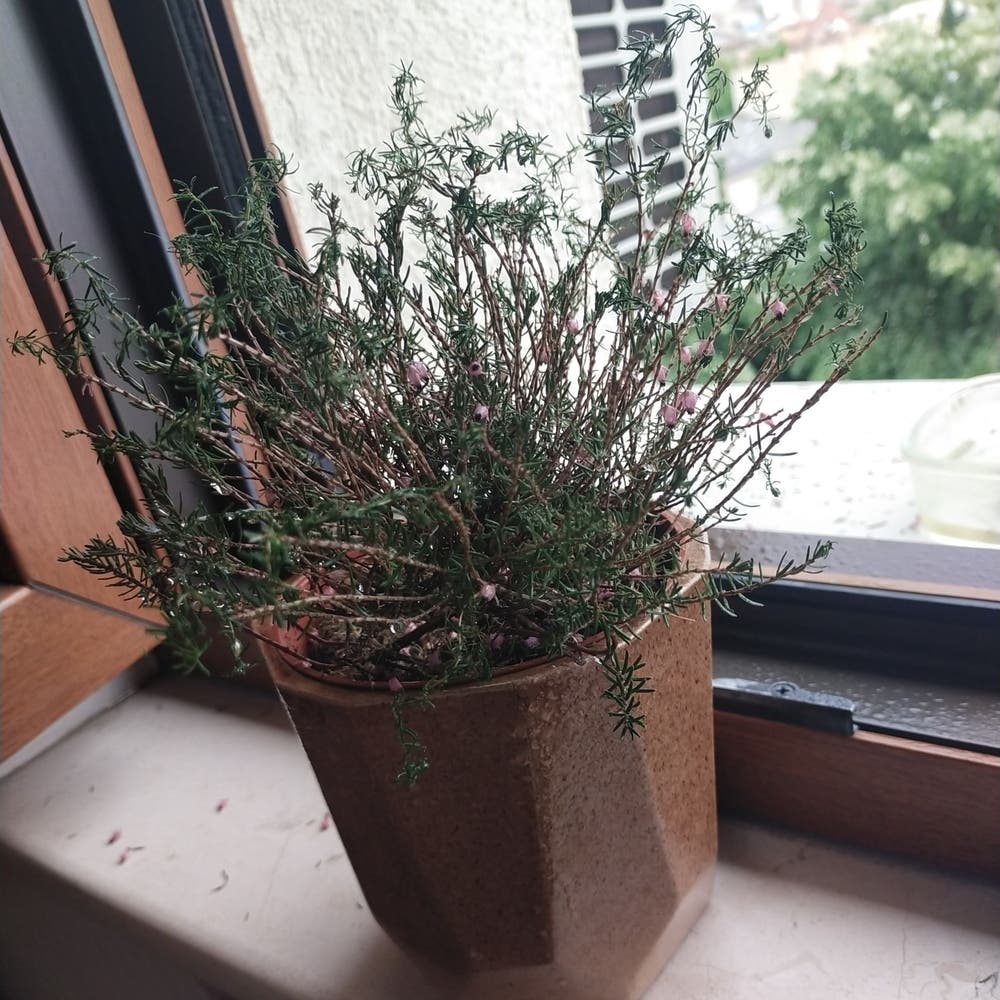
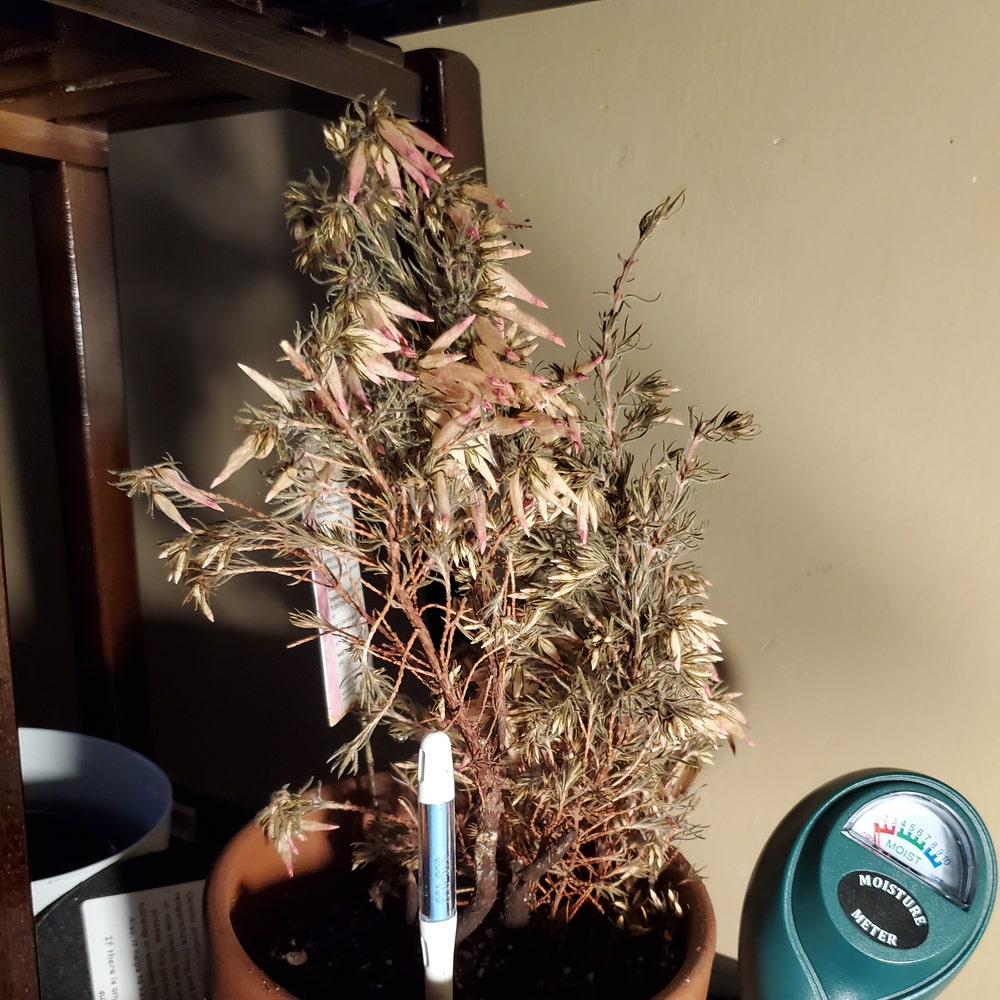
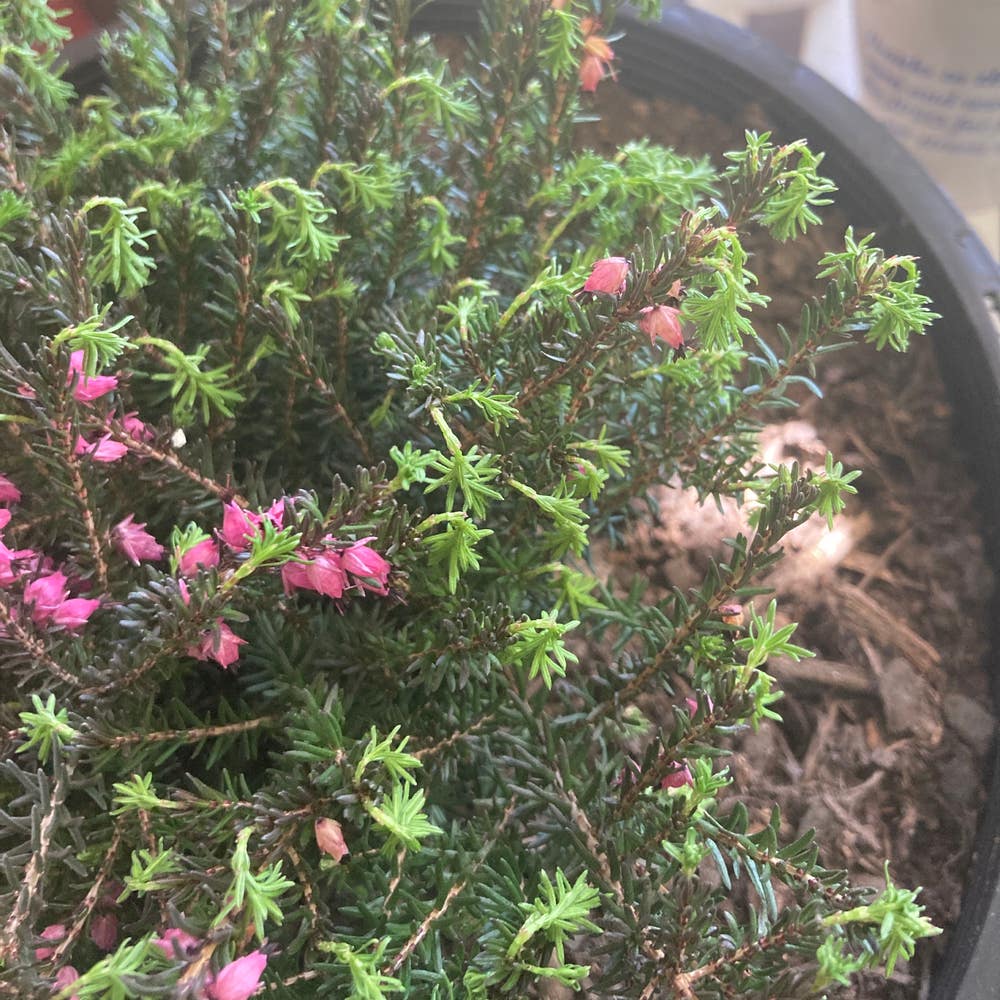
🌸 Understanding Erica denticulata: The Basics
Erica denticulata
By the Greg Editorial Team
Feb 24, 2025•10 min read
This article was created with the help of AI so we can cover more plants for you. May contain errors. See one? Report it here.
Elevate your garden's beauty effortlessly with Erica denticulata—your guide to thriving plants starts here! 🌱✨
- 🌞 Erica denticulata thrives in 6-8 hours of sunlight for optimal growth.
- 🌱 Acidic, well-drained soil with pH 5.5-6.5 is essential for healthy plants.
- 🐝 Attracts pollinators and prevents soil erosion, enhancing garden biodiversity.
How to Grow
Choosing a Location 🌞
When selecting a spot for Erica denticulata, aim for full sun to partial shade. Ideally, the plant should receive 6-8 hours of sunlight daily to thrive.
Ensure there's enough space around the plants for air circulation and growth. This will help prevent diseases and promote healthy development.
Soil Preparation 🌱
Erica denticulata prefers acidic, well-drained soils. Aim for a soil pH in the ideal range of 5.5 to 6.5 for optimal growth.
Good drainage is crucial to prevent root rot. Always check that the planting area allows excess water to escape easily.
Planting Techniques 🌿
When planting, ensure you place the root ball at the same depth as it was in the nursery pot. This helps the plant acclimate and grow effectively.
For optimal growth, space your plants 18-24 inches apart. This distance allows them to spread without competing for resources.
Watering Requirements 💧
Water your Erica denticulata regularly, but let the top inch of soil dry out between waterings. This balance helps maintain healthy roots.
Using a soaker hose or drip irrigation is ideal. These methods minimize water on the foliage, reducing the risk of fungal diseases.
Fertilizing 🌼
Choose a balanced, slow-release fertilizer specifically formulated for acid-loving plants. This will provide the necessary nutrients for healthy growth.
Fertilize in early spring and again in mid-summer. This schedule supports robust growth during the active growing seasons.
Pruning ✂️
Prune your plant in late winter or early spring, just before new growth begins. This timing encourages fresh, healthy foliage.
Focus on removing dead or damaged branches and shaping the plant as needed. Regular pruning promotes a fuller, more attractive appearance.
Ongoing Care 🔍
Regularly monitor your Erica denticulata for signs of pests or diseases. Early detection is key to maintaining plant health.
Adjust your watering and fertilizing practices based on seasonal changes. This flexibility ensures your plant receives the care it needs throughout the year.
With these guidelines, you’ll be well on your way to cultivating a thriving Erica denticulata. Next, let’s explore how to propagate this beautiful plant for even more growth opportunities!
Propagation
🌱 Seed Propagation
To start your Erica denticulata from seeds, begin by soaking them in water for 24 hours. This simple step kickstarts the germination process, setting the stage for healthy growth.
For optimal germination, maintain a temperature between 20-25°C (68-77°F). This warm environment encourages the seeds to sprout, giving you a better chance of success.
✂️ Cutting Propagation
Another effective method is cutting propagation. Take 4-6 inch cuttings from healthy stems, ensuring you select vigorous growth for the best results.
Timing is crucial; late spring or early summer is the ideal window for taking cuttings. This period allows for optimal rooting, helping your new plants thrive.
With these propagation techniques, you can easily expand your Erica denticulata collection. Whether you choose seeds or cuttings, both methods offer rewarding experiences in nurturing these beautiful plants.
Lifecycle
Lifecycle Stages 🌱
Erica denticulata is a perennial shrub that goes through several distinct stages during its life. These stages include seed or cutting, germination, seedling, vegetative growth, flowering, and seed production.
Lifespan and Growth Rate 📈
This plant typically takes about 2-3 years to reach its full size. Under ideal conditions, it exhibits a moderate growth rate, achieving an annual increase of 12-24 inches.
Understanding Each Stage 🔍
- Seed/Cutting: The lifecycle begins with either seeds or cuttings, which are essential for propagation.
- Germination: Once planted, seeds germinate, marking the start of new growth.
- Seedling: The young plant emerges as a seedling, establishing its roots and initial structure.
- Vegetative Growth: During this phase, the plant focuses on growing leaves and stems, preparing for future flowering.
- Flowering: Erica denticulata produces vibrant flowers, attracting pollinators and enhancing garden aesthetics.
- Seed Production: Finally, the plant produces seeds, ensuring the continuation of its lifecycle.
Conclusion 📝
Understanding the lifecycle of Erica denticulata not only helps in its cultivation but also highlights its role in the ecosystem. As we move forward, let's explore how to effectively propagate this beautiful shrub.
Size
Mature Dimensions 🌳
Erica denticulata typically reaches a mature height of 3 to 4 feet. Its spread can extend 2 to 3 feet wide, making it a compact yet impactful addition to your garden.
Growth Rate 📈
This perennial shrub has a moderate growth rate, achieving its full size in about 2 to 3 years. With the right conditions, you can expect an annual growth of 12 to 24 inches.
Size Variability 📏
The size of Erica denticulata can vary based on several factors. Soil quality, sunlight exposure, and watering practices all play crucial roles in determining how large your plant will grow.
Practical Considerations 🛠️
When planning your garden, consider these dimensions to ensure proper spacing and aesthetics. A well-placed Erica denticulata can enhance your landscape while providing a vibrant splash of color.
As you prepare to cultivate this beautiful shrub, keep in mind the importance of its growing conditions. Next, let’s explore the fascinating root system characteristics that support its growth.
Roots
Root System Characteristics 🌱
Erica denticulata features a fibrous root system that spreads widely but remains relatively shallow, typically reaching depths of 12-18 inches. This structure allows the plant to efficiently absorb nutrients and water from the upper soil layers.
Common Issues ⚠️
However, this root system can lead to some common problems. Overwatering may cause root rot, while being rootbound can hinder growth and health.
Visual Cues 👀
To assess root health, look for visual cues. Healthy roots are firm and white, indicating vitality, whereas unhealthy roots appear dark and mushy, signaling potential issues.
Solutions 🛠️
If you notice your plant is rootbound, it’s time to take action. Repot the plant by gently loosening the roots and transplanting it into a larger pot filled with fresh soil to encourage robust growth.
Understanding the root system of Erica denticulata is crucial for its overall health and longevity. With proper care and attention, you can ensure your plant thrives beautifully in your garden.
Benefits
Top 5 Benefits 🌟
1. Attracts Pollinators
Erica denticulata is a magnet for pollinators, enhancing biodiversity in your garden. By planting this species, you create a vibrant ecosystem that supports bees, butterflies, and other beneficial insects.
2. Drought-Tolerant
Once established, this plant is remarkably drought-tolerant. It requires less water than many other plants, making it an excellent choice for water-wise gardening.
3. Aesthetic Appeal
With its vibrant colors and unique textures, Erica denticulata adds visual interest to any landscape. Its striking appearance can elevate the overall beauty of your garden.
4. Erosion Control
This hardy shrub plays a crucial role in stabilizing soil, especially in sloped areas. Its root system helps prevent erosion, making it a practical choice for challenging terrains.
5. Cultural Significance
In South Africa, Erica denticulata symbolizes resilience and beauty. By incorporating this plant into your garden, you connect with its rich cultural heritage and celebrate the diversity of flora.
These benefits make Erica denticulata not just a beautiful addition to your garden, but also a practical and meaningful one. Next, let’s explore how to effectively propagate this remarkable plant.
Companion Plants
🌱 Companion Planting
Companion planting is a fantastic way to boost your garden's diversity and health. By strategically selecting plants that work well together, you can enhance pest management and create a thriving ecosystem.
🌼 Beneficial Companions
When it comes to Erica denticulata, consider pairing it with Leucadendron and Protea. Both of these plants share similar soil and light requirements, making them ideal companions. Plus, they attract the same pollinators, creating a vibrant and bustling garden environment.
🚫 Plants to Avoid
On the flip side, steer clear of heavy feeders like tomatoes. These plants compete for nutrients and can hinder the growth of Erica denticulata. Keeping your garden balanced is key to ensuring all your plants flourish together.
By thoughtfully selecting companion plants, you can cultivate a healthier and more resilient garden. This not only benefits your Erica denticulata but also enhances the overall beauty and biodiversity of your outdoor space.
Next, let's explore some common problems you might encounter while growing Erica denticulata and how to tackle them effectively.
Problems
Common Problems 🌱
1. Incorrect Watering
Watering can be tricky, and getting it wrong is a common issue. Symptoms like wilting or yellowing leaves often indicate either overwatering or underwatering.
- Solutions: Adjust your watering frequency based on the moisture level of the soil. Always check the top inch of soil before watering.
2. Incorrect Light Conditions
Light is crucial for healthy growth. If you notice leggy growth or scorched leaves, your plant may be getting too much or too little sunlight.
- Solutions: Relocate your Erica denticulata to a spot that offers the right amount of light, ideally full sun to partial shade.
3. Diseases
Fungal diseases can sneak in, causing issues like powdery mildew or rust. Look out for white powdery spots or leaf discoloration as signs of trouble.
- Solutions: Improve air circulation around the plant and consider applying fungicides if necessary to combat these diseases.
4. Root Problems
Healthy roots are vital, but they can suffer from issues like root rot, especially if overwatered. Symptoms include wilting even when the soil is moist.
- Solutions: Ensure proper drainage in your pots and adjust your watering practices to prevent root rot.
5. Leaf Issues
Yellowing or fuzzy growth on leaves can indicate nutrient deficiencies or pest problems. These symptoms can be frustrating but are often manageable.
- Solutions: Fertilize your plant appropriately and inspect for pests regularly to keep your Erica denticulata thriving.
By staying vigilant and addressing these common problems, you can ensure your Erica denticulata remains healthy and vibrant. Next, let’s explore the fascinating world of pests that might challenge your gardening efforts.
Bugs
🐞 Pest Issues
While Erica denticulata is moderately pest-resistant, it can still fall prey to certain pests. Understanding these common invaders is crucial for maintaining the health of your plants.
Spider Mites
- Identification: Look for fine webbing on leaves.
- Damage: These pests cause leaf discoloration and can lead to leaf drop.
- Treatment: Increase humidity around the plant and apply miticides to control the infestation.
Scale Insects
- Identification: Small, waxy bumps appear on stems and leaves.
- Damage: Scale insects weaken the plant by sucking sap.
- Treatment: Use insecticidal soap or neem oil to eliminate these pests effectively.
Mealybugs
- Identification: White, cottony masses can be found on stems.
- Damage: They stunt growth and can cause leaf drop.
- Treatment: Remove mealybugs by hand or treat with insecticidal soap for best results.
Aphids
- Identification: Small, green or black insects often found on new growth.
- Damage: Aphids cause curling and yellowing of leaves.
- Treatment: Introduce beneficial insects or use insecticidal soap to manage their population.
Whiteflies
- Identification: Tiny white insects that fly away when disturbed.
- Damage: They weaken plants and lead to yellowing leaves.
- Treatment: Employ yellow sticky traps and insecticidal soap to control whitefly infestations.
By staying vigilant and addressing these pest issues promptly, you can ensure that your Erica denticulata thrives. Next, let’s explore what animals might be munching on your plants and how to deter them effectively.
What Eats
🦌 Common Animals
Erica denticulata can attract a variety of wildlife that may munch on its foliage.
- Deer: Look for nibbled leaves and broken branches as signs of their presence.
- Rabbits: Chewed stems and leaves are telltale signs that these furry friends have been feasting.
- Squirrels: Bark stripping and digging around the roots indicate squirrel activity.
- Birds: Pecked flowers and seeds suggest birds are enjoying the plant's offerings.
- Rodents: Burrowing and gnaw marks can signal rodent visitors.
- Groundhogs: Large bites taken from the plant reveal the presence of these larger herbivores.
🚫 Deterrent Methods
To protect your Erica denticulata from these hungry critters, consider various deterrent methods.
- Chemical methods: Commercial repellents designed for garden use can effectively keep animals at bay.
- Organic methods: Employ barriers like fencing or netting, and consider planting deterrent species nearby to create a natural shield.
By being proactive, you can enjoy the beauty of Erica denticulata while minimizing damage from wildlife. This not only preserves your plants but also enhances your gardening experience.
⚠️ Safety First
This content is for general information and may contain errors, omissions, or outdated details. It is not medical, veterinary advice, or an endorsement of therapeutic claims.
Always consult a qualified healthcare professional before using any plant as food, medicine, or supplement.
Never eat any plant (or feed one to pets) without confirming its identity with at least two trusted sources.
If you suspect poisoning, call Poison Control (800) 222-1222, the Pet Poison Helpline (800) 213-6680, or your local emergency service immediately.
Spotted an error? Please report it here.
Cultivating Erica denticulata successfully 🌱 is easy with Greg's personalized watering alerts and care tips, ensuring your garden thrives while attracting pollinators and preventing soil erosion!