How to Fix Yellow Leaves on Your Dwarf Verbena
Verbena tenuisecta
By the Greg Editorial Team
Oct 20, 2024•5 min read
This article was created with the help of AI so we can cover more plants for you. May contain errors. See one? Report it here.
Restore your Dwarf Verbena's health 🌱 by uncovering the secrets to diagnosing and treating yellow leaves!
- 🌱 Yellow leaves indicate nutrient deficiencies, especially nitrogen and iron.
- 💧 Overwatering or underwatering leads to yellowing; maintain consistent moisture levels.
- ☀️ Full sun exposure (6-8 hours) is essential for vibrant Dwarf Verbena health.
Causes of Yellow Leaves
🌱 Nutrient Deficiencies
Nitrogen Deficiency
Nitrogen deficiency is a common issue for Dwarf Verbena, often manifesting as yellowing of older leaves and stunted growth. Nitrogen is crucial for chlorophyll production, which is essential for photosynthesis and overall plant health.
Iron Chlorosis
Iron chlorosis presents itself as yellowing between leaf veins while the veins remain green. This condition typically arises from high soil pH or poor drainage, which affects the availability of iron to the plant.
💧 Watering Issues
Overwatering Symptoms
Overwatering can lead to wilting, yellowing leaves, and even root rot. Ensuring well-draining soil is vital for Dwarf Verbena to thrive, as excess moisture can suffocate roots.
Underwatering Symptoms
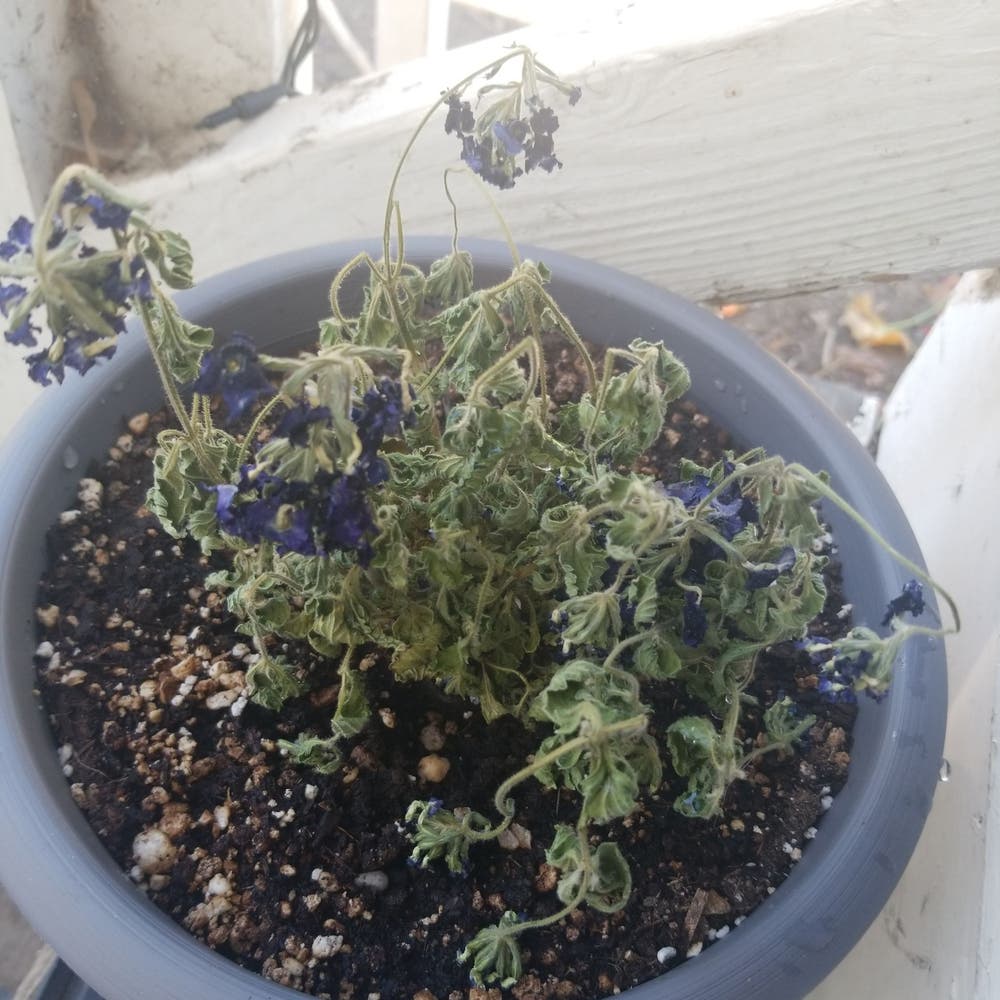
On the flip side, underwatering results in dry, crispy leaves and drooping stems. Dwarf Verbena prefers consistent moisture, so finding the right balance is key to its vitality.
🌡️ Environmental Stress
Temperature Fluctuations
Extreme temperature changes can significantly affect leaf color. Gradual acclimatization to temperature shifts helps the plant adjust and maintain its health.
Sunlight Exposure
Dwarf Verbena thrives in full sun, requiring 6-8 hours of sunlight daily. Insufficient sunlight can lead to leggy growth and yellowing leaves, signaling the need for a sunnier spot.
Understanding these causes is the first step toward restoring your Dwarf Verbena's vibrant health. Next, we’ll explore how to diagnose yellow leaves effectively.
Diagnosing Yellow Leaves
👀 Visual Signs to Look For
When diagnosing yellow leaves on your Dwarf Verbena, start by observing the color changes. Gradual yellowing often indicates nutrient deficiencies, while sudden yellowing can signal more immediate issues.
Next, examine the leaf texture. Soft leaves may suggest overwatering, while crispy leaves often point to underwatering. These visual cues are essential for understanding your plant's health.
🧪 Soil Testing for pH and Nutrients
Soil testing is a crucial step in diagnosing yellow leaves. Check the pH levels and nutrient content to ensure your Dwarf Verbena is thriving.
Balanced soil is vital for plant health. An imbalance can lead to nutrient deficiencies, contributing to yellowing leaves.
💧 Assessing Watering Habits
Evaluate your watering habits to pinpoint potential problems. Consider how often you water and the amount you use each time.
Look for signs of overwatering, such as wilting and root rot, or underwatering, indicated by dry, crispy leaves. Monitoring these key indicators will help you maintain the right moisture levels for your Dwarf Verbena.
Understanding these diagnostic steps will set you on the right path to treating yellow leaves effectively. Next, let’s explore how to treat those yellowing leaves and restore your plant's vibrancy.
Treating Yellow Leaves
🌊 Adjusting Watering Practices
Proper watering is crucial for reviving your Dwarf Verbena. Start by checking the soil moisture; simply use your finger to feel how dry it is.
- Check soil moisture: Insert your finger into the soil up to the second knuckle. If it feels dry, it’s time to water.
- Watering frequency: Allow the top inch of soil to dry out between waterings. This helps prevent root rot while ensuring your plant gets enough moisture.
- Watering method: Deep watering is key. Water thoroughly until it drains from the bottom, encouraging strong root growth.
🌱 Fertilization Techniques
Fertilization can significantly impact the health of your Dwarf Verbena. Using the right type of fertilizer will provide essential nutrients.
- Types of fertilizers: Opt for balanced NPK fertilizers, which contain nitrogen, phosphorus, and potassium. These nutrients are vital for overall plant health.
- Application frequency: Fertilize every 4-6 weeks during the growing season. This regular feeding will help your plant thrive and produce vibrant blooms.
🐛 Pest and Disease Management
Keeping an eye out for pests and diseases is essential for maintaining healthy plants. Identifying issues early can save your Dwarf Verbena from further stress.
Identifying Pests
Common pests like aphids and spider mites can wreak havoc on your plants. Look for signs of infestation, such as distorted leaves or webbing.
- Common pests: Aphids and spider mites are frequent offenders. They can quickly multiply and damage your plant.
- Signs of infestation: Distorted leaves and fine webbing are clear indicators that pests are present. Act quickly to address these issues.
🍄 Fungal Treatments
Fungal diseases can also affect your Dwarf Verbena. Recognizing and treating these conditions is vital for recovery.
- Common fungal diseases: Powdery mildew and root rot are two prevalent issues. They thrive in damp conditions and can cause significant damage.
- Treatment options: Use organic fungicides to combat these diseases. Additionally, improving air circulation around your plants can help prevent future outbreaks.
By addressing watering practices, fertilization, and pest management, you can effectively treat yellow leaves on your Dwarf Verbena. This proactive approach will set the stage for a healthier, more vibrant plant.
Next, let’s explore how to prevent yellow leaves from occurring in the first place.
Preventing Yellow Leaves
🌱 Best Practices for Soil Preparation
To keep your Dwarf Verbena thriving, start with the right soil. A well-draining, sandy loam is ideal, as it allows excess water to escape while retaining essential moisture.
Adding compost can significantly enhance nutrient content. This organic amendment not only enriches the soil but also improves its structure, promoting healthy root development.
☀️ Ideal Growing Conditions
Sunlight and Temperature Needs
Dwarf Verbena flourishes in full sun, requiring 6 to 8 hours of direct sunlight daily. This exposure is crucial for vibrant blooms and robust growth.
Maintain temperatures between 20°C to 30°C (68°F to 86°F) for optimal health. Protect your plants from frost and extreme heat to prevent stress and yellowing leaves.
🔧 Regular Maintenance Tips
Pruning and Deadheading
Regular deadheading is essential for encouraging new blooms and reducing plant stress. By removing spent flowers, you allow the plant to focus its energy on producing fresh growth.
Timing is key when it comes to pruning. Aim to prune during the growing season to promote optimal growth and maintain a tidy appearance.
By following these preventive measures, you can help ensure your Dwarf Verbena remains healthy and vibrant. Next, let’s explore how to diagnose yellow leaves effectively.
⚠️ Safety First
This content is for general information and may contain errors, omissions, or outdated details. It is not medical, veterinary advice, or an endorsement of therapeutic claims.
Always consult a qualified healthcare professional before using any plant as food, medicine, or supplement.
Never eat any plant (or feed one to pets) without confirming its identity with at least two trusted sources.
If you suspect poisoning, call Poison Control (800) 222-1222, the Pet Poison Helpline (800) 213-6680, or your local emergency service immediately.
Spotted an error? Please report it here.
Revive your Dwarf Verbena's vibrant colors 🌈 by using Greg's tailored watering and nutrient alerts to tackle yellow leaves and keep your plant thriving!