Top 3 Signs Your Dwarf Verbena is Stressed in Winter ❄️
Verbena tenuisecta
By the Greg Editorial Team
Oct 20, 2024•5 min read
This article was created with the help of AI so we can cover more plants for you. May contain errors. See one? Report it here.
Ensure your dwarf verbena thrives this winter 🌱 for a stunning spring bloom with these essential care tips!
- 💧 Water every 2-3 weeks in winter to prevent root rot in dwarf verbena.
- 🌬️ Watch for wilting and discoloration as signs of winter stress in your plants.
- ❄️ Use frost protection like burlap to shield dwarf verbena from harsh temperatures.
Winter Care Requirements
Adjusting Watering Schedules for Winter 🌨️
As winter approaches, it's crucial to reduce your watering frequency. This helps prevent root rot, which can occur when the soil remains too wet.
Aim to water your dwarf verbena every 2-3 weeks, adjusting based on soil moisture. Always check the soil; if it's still damp, hold off on watering.
Signs of overwatering include root rot and yellowing leaves. Keep an eye out for these indicators to ensure your plant remains healthy.
Fertilizing During Dormancy ❄️
During dormancy, your dwarf verbena has minimal fertilization needs. It's best to avoid fertilizing altogether during this period.
Before winter sets in, consider using a slow-release fertilizer. The last application should occur in late fall, just before the cold weather arrives.
Signs of Stress During Winter 🚨
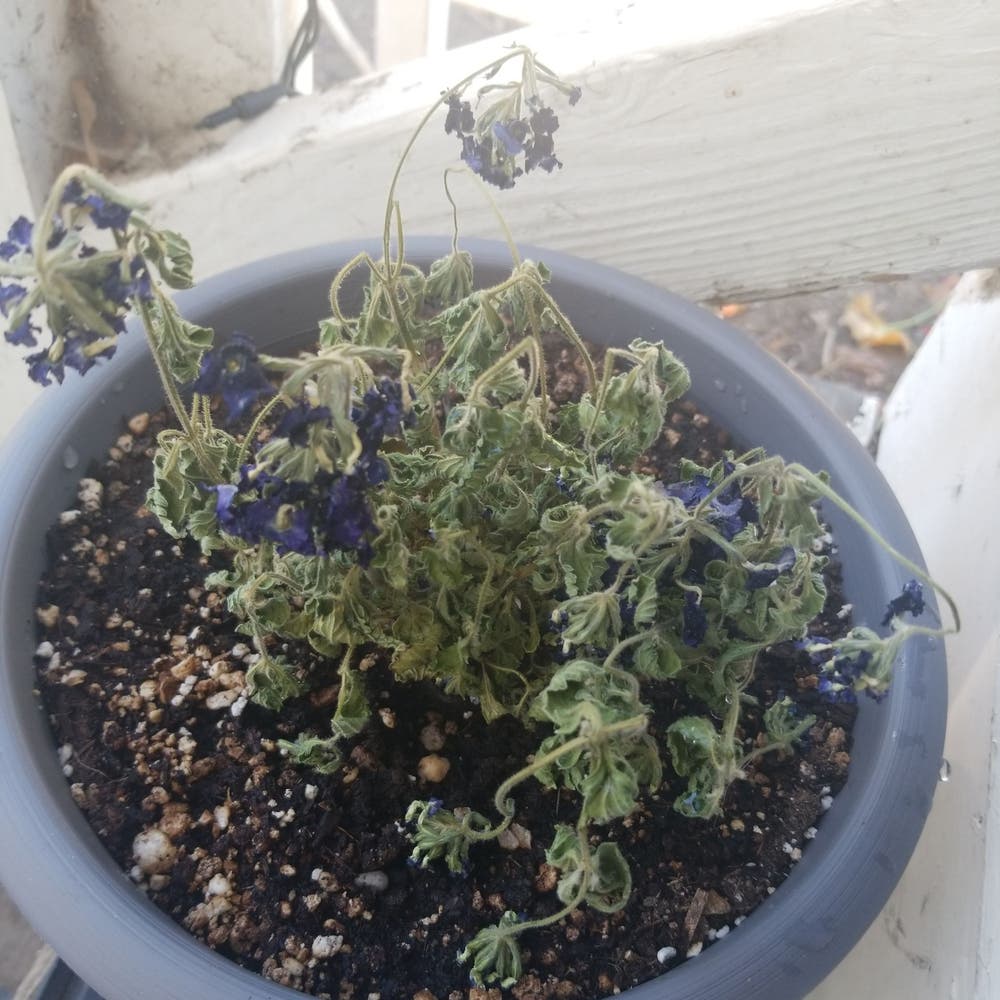
Watch for common stress indicators like wilting, discoloration, and leaf drop. These signs can signal that your plant is struggling in the winter conditions.
Environmental factors such as frost, inadequate light, and overwatering can contribute to this stress. Early detection is key for recovery, so stay vigilant and act quickly if you notice any issues.
Frost Protection Strategies
Methods to Protect from Frost ❄️
Protecting your dwarf verbena from frost is crucial for its survival. One effective method is covering your plants with frost cloths or burlap, which provides insulation against harsh temperatures.
Mulching is another great strategy. A layer of mulch helps retain soil warmth, creating a more stable environment for your plants.
Additionally, consider the placement of your plants. Choosing sheltered locations can significantly minimize frost exposure, giving your verbena a better chance to thrive through winter.
Importance of Microclimates for Winter Survival 🌡️
Understanding microclimates can be a game-changer for your garden. These are areas that experience different climate conditions compared to their surroundings, often providing a more favorable environment for your plants.
To identify microclimates in your garden, look for features like south-facing walls or sheltered corners. These spots can enhance cold hardiness and reduce frost damage, making them ideal for your dwarf verbena.
By utilizing microclimates effectively, you can give your plants the best chance of surviving winter's chill. This proactive approach not only protects your verbena but also enriches your gardening experience.
As you prepare for the indoor winter care of your plants, remember that a little foresight can go a long way in ensuring their health and vitality.
Indoor Winter Care
Transitioning Indoors 🌱
Timing is crucial when moving your dwarf verbena indoors. Aim to transition before the first frost hits, as this helps prevent stress and damage.
To ensure a smooth move, gradually acclimatize your plants to indoor conditions. Start by bringing them inside for a few hours each day, slowly increasing the time over a week.
Container Considerations 🪴
Choosing the right pots is essential for indoor growth. Opt for containers with good drainage to prevent waterlogging, which can lead to root rot.
Consider the size of the pot as well; it should allow for some growth without being overly large, which can retain excess moisture.
Optimal Indoor Conditions ☀️
Your dwarf verbena thrives in bright, indirect sunlight. Aim for 6-8 hours of light daily to keep your plants healthy and vibrant.
Temperature is another key factor. Maintain indoor temperatures between 60°F to 70°F (15°C to 21°C) for optimal growth.
Humidity levels also play a role in your plant's well-being. Keep humidity moderate to prevent stress, especially in dry winter months.
Conclusion 🎉
By following these indoor care tips, you can help your dwarf verbena thrive through winter. With the right conditions, your plants will be ready to flourish when spring arrives.
Spring Preparation and Recovery
🌱 Signs of Recovery from Winter Damage
As winter fades, look for signs of recovery in your dwarf verbena. New growth, vibrant color, and fresh leaf development indicate that your plant is bouncing back.
Keep an eye out for lingering stress, such as wilting or discoloration. These signs may suggest that your plant still needs some extra care.
🌼 Preparing for Spring Growth
Transitioning your dwarf verbena back outdoors requires careful planning. Gradual exposure to outdoor conditions is essential for a smooth adjustment.
Timing is crucial; wait until after the last frost date to move your plants outside. This ensures they won't be caught off guard by unexpected cold snaps.
Soil preparation is another key factor. Ensure your soil is well-draining to promote optimal growth as temperatures rise.
🌍 Best Practices for Transitioning Back Outdoors
Start the acclimatization process by gradually increasing outdoor exposure over 1-2 weeks. This helps your plant adjust to the changing environment without shock.
As temperatures rise, adjust your watering schedule accordingly. Increasing the frequency will help your dwarf verbena thrive in the warmer weather.
Finally, reintroduce your fertilization schedule in early spring. This will provide the nutrients your plant needs for robust growth as it emerges from dormancy.
With these practices in place, your dwarf verbena will be well on its way to a vibrant spring. Next, let’s explore how to ensure your plants thrive throughout the summer months.
⚠️ Safety First
This content is for general information and may contain errors, omissions, or outdated details. It is not medical, veterinary advice, or an endorsement of therapeutic claims.
Always consult a qualified healthcare professional before using any plant as food, medicine, or supplement.
Never eat any plant (or feed one to pets) without confirming its identity with at least two trusted sources.
If you suspect poisoning, call Poison Control (800) 222-1222, the Pet Poison Helpline (800) 213-6680, or your local emergency service immediately.
Spotted an error? Please report it here.
Keep your dwarf verbena thriving this winter 🌿 by using Greg's tailored reminders for watering and frost protection, ensuring it emerges healthy and vibrant come spring!