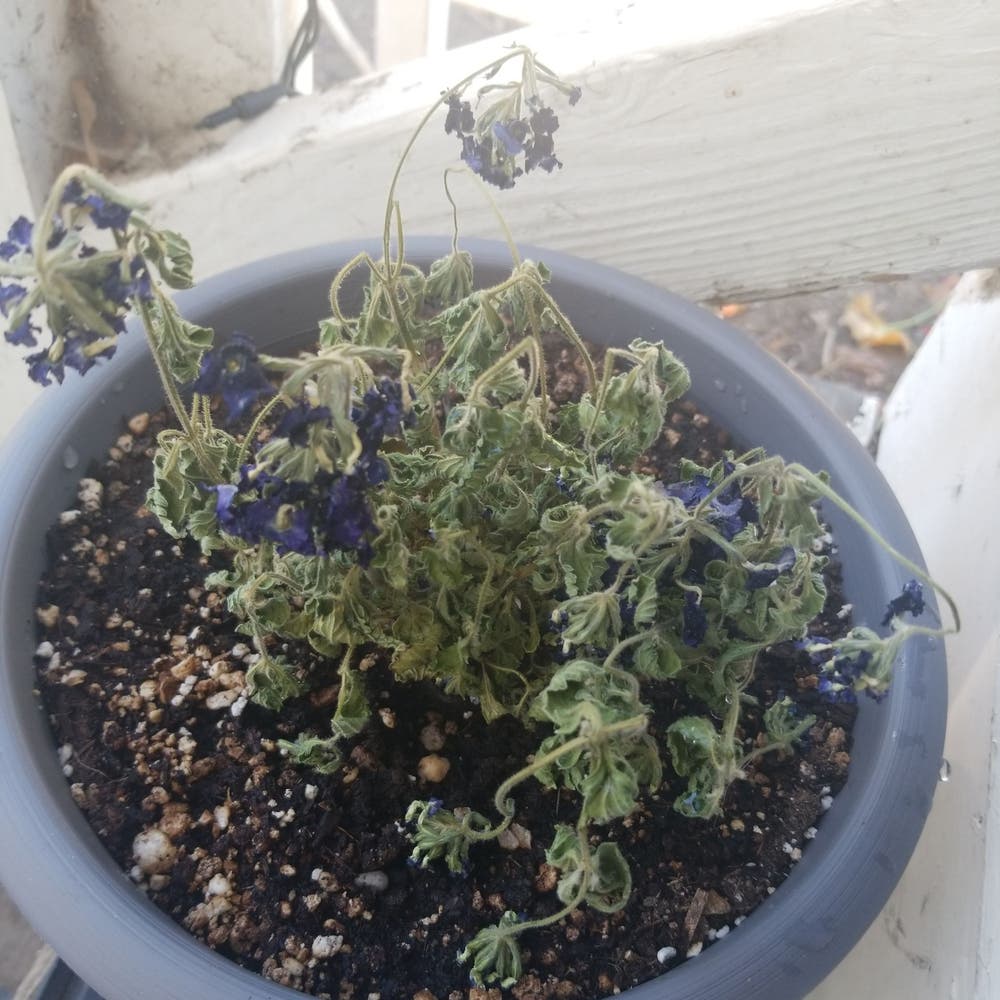
🌸 5 Secrets to Thriving Outdoor Dwarf Verbena
Verbena tenuisecta
By the Greg Editorial Team
Oct 20, 2024•5 min read
This article was created with the help of AI so we can cover more plants for you. May contain errors. See one? Report it here.
Unlock a vibrant garden with thriving dwarf verbena 🌼 by mastering essential care tips for stunning blooms!
- ☀️ Dwarf verbena needs 6-8 hours of sunlight daily for optimal growth and blooms.
- 💧 Water weekly during dry spells and deep water for strong root development.
- 🌱 Well-drained soil and organic mulch are essential for thriving dwarf verbena.
Outdoor Care Requirements
☀️ Sunlight Needs
Dwarf verbena thrives in full sun, requiring 6 to 8 hours of direct sunlight daily. Without adequate sunlight, you may notice stunted growth and fewer blooms, which can be disappointing for any gardener.
💧 Watering Requirements
During dry spells, water your dwarf verbena weekly, adjusting based on rainfall.
Techniques for Effective Watering
- Deep Watering: This encourages deep root growth, helping your plants withstand dry conditions.
- Avoiding Waterlogging: Ensure the soil drains well to prevent root rot, which can be detrimental to your plants.
🌱 Soil Preferences
Dwarf verbena prefers well-drained, sandy loam soil.
Soil Amendments
Incorporate organic matter to enhance drainage and fertility.
Soil pH
Aim for a slightly acidic to neutral pH, ideally between 6.0 and 7.0, to create the best growing conditions for your plants.
Understanding these outdoor care requirements will set you on the right path to cultivating a vibrant dwarf verbena garden. Next, let’s explore the various planting options available to you.
Planting Options
🌱 Container Planting
Benefits
Container planting offers remarkable mobility. You can easily relocate your dwarf verbena to capture optimal sunlight or provide protection from harsh weather.
Another advantage is the controlled environment. This allows for better management of soil quality and drainage, ensuring your plants thrive.
Drawbacks
However, container planting comes with its challenges. The limited root space can restrict growth and flowering, potentially leading to smaller plants.
Additionally, containers tend to dry out faster than ground soil, resulting in an increased watering frequency. This means you'll need to stay vigilant about moisture levels.
🌍 Ground Planting
Benefits
Ground planting provides a more natural growth environment. With ample space for roots to expand, your dwarf verbena can develop into healthier, more robust plants.
Moreover, ground soil retains moisture better, leading to less frequent watering. This can save you time and effort during the growing season.
Drawbacks
On the downside, ground planting may present soil quality variability. You might need to amend the soil based on its existing conditions to ensure optimal growth.
Additionally, there's less control over pests and diseases. Your plants will be more exposed to outdoor elements, which can introduce challenges you’ll need to manage.
Understanding these planting options will help you make informed decisions for your dwarf verbena. Next, let’s explore how to protect your plants from environmental factors.
Protection from Environmental Factors
🌦️ Weather Protection Strategies
To keep your dwarf verbena thriving, consider applying a 2-3 inch layer of organic mulch. This simple step helps retain moisture and regulates soil temperature, creating a stable environment for your plants.
Additionally, using windbreaks can shield your verbena from strong winds. Fencing or taller plants can act as natural barriers, protecting your delicate blooms from harsh weather conditions.
🐞 Outdoor Pests and Management
Aphids can be a nuisance for dwarf verbena. Look for signs like sticky residue on leaves and curled foliage. To manage these pests, introduce ladybugs or use insecticidal soap for effective control.
Spider mites are another common threat. You may notice fine webbing and yellowing leaves as indicators. Increasing humidity around the plants and applying miticides can help keep these pests at bay.
🦠 Diseases and Prevention
Root rot is a serious concern for dwarf verbena. Symptoms include wilting despite adequate watering. To prevent this, ensure your soil is well-drained and avoid overwatering.
Powdery mildew is another issue to watch for, characterized by white powdery spots on leaves. Improving air circulation and avoiding overhead watering can significantly reduce the risk of this disease.
By implementing these protective measures, you can create a thriving environment for your dwarf verbena. Next, let’s explore how seasonal changes impact care and what special considerations to keep in mind for different climate zones.
Seasonal Care and Climate Considerations
🌱 Seasonal Changes and Their Impact on Care
Spring is a crucial time for outdoor dwarf verbena. Fertilizing and pruning during this season encourages robust new growth.
In summer, keep a close eye on watering. Hot months can quickly dry out your plants, so adjust your routine as needed.
🌍 Special Considerations for Different Climate Zones
If you're in USDA Zones 9-11, you're in luck! These zones allow for year-round growth with minimal protection.
For those in cooler zones, consider bringing your containers indoors during frost. This simple step can save your plants from harsh winter conditions.
📅 Fertilization Schedule Throughout the Year
Start your fertilization routine in early spring with a balanced fertilizer. This kickstarts growth and sets the stage for a vibrant season.
In mid-summer, side-dress with a slow-release fertilizer to maintain those beautiful blooms.
As fall approaches, lighten up on feeding to prepare your plants for dormancy. A little care now will ensure they thrive when spring returns.
With these seasonal care tips, your outdoor dwarf verbena will flourish throughout the year. Next, let’s dive into advanced care techniques to elevate your gardening game!
Advanced Care Techniques
🌿 Pruning and Deadheading
Regular deadheading is essential for keeping your dwarf verbena blooming beautifully. Remove spent flowers to encourage new growth and prolong the flowering season.
Using clean, sharp shears is crucial. This prevents damage to the plant and promotes healthy regrowth.
🌱 Propagation Methods
Seed Propagation
Start your seeds indoors 6-8 weeks before the last frost for the best results. Ensure the germination conditions are warm and the soil is well-drained.
Cutting Propagation
For cutting propagation, select healthy stems that are 4-6 inches long, ideally taken in spring or early summer. Use a rooting medium that combines perlite and peat moss for optimal results.
🛠️ Troubleshooting Common Issues
Yellowing Leaves
If you notice yellowing leaves, it could be due to overwatering or a nutrient deficiency. Adjust your watering schedule and consider testing the soil to identify any nutrient gaps.
Poor Flowering
Poor flowering can stem from insufficient sunlight or a lack of deadheading. Ensure your plants receive full sun exposure and make it a habit to regularly remove spent blooms.
These advanced care techniques will help you maintain vibrant, healthy dwarf verbena. With a little attention, your plants will thrive and bring joy to your outdoor space. Next, let’s explore seasonal care and climate considerations to further enhance your gardening success.
⚠️ Safety First
This content is for general information and may contain errors, omissions, or outdated details. It is not medical, veterinary advice, or an endorsement of therapeutic claims.
Always consult a qualified healthcare professional before using any plant as food, medicine, or supplement.
Never eat any plant (or feed one to pets) without confirming its identity with at least two trusted sources.
If you suspect poisoning, call Poison Control (800) 222-1222, the Pet Poison Helpline (800) 213-6680, or your local emergency service immediately.
Spotted an error? Please report it here.
Unlock a blooming paradise 🌸 with these 5 secrets for dwarf verbena, and let Greg guide you with tailored watering reminders and expert care tips to ensure your plants thrive!