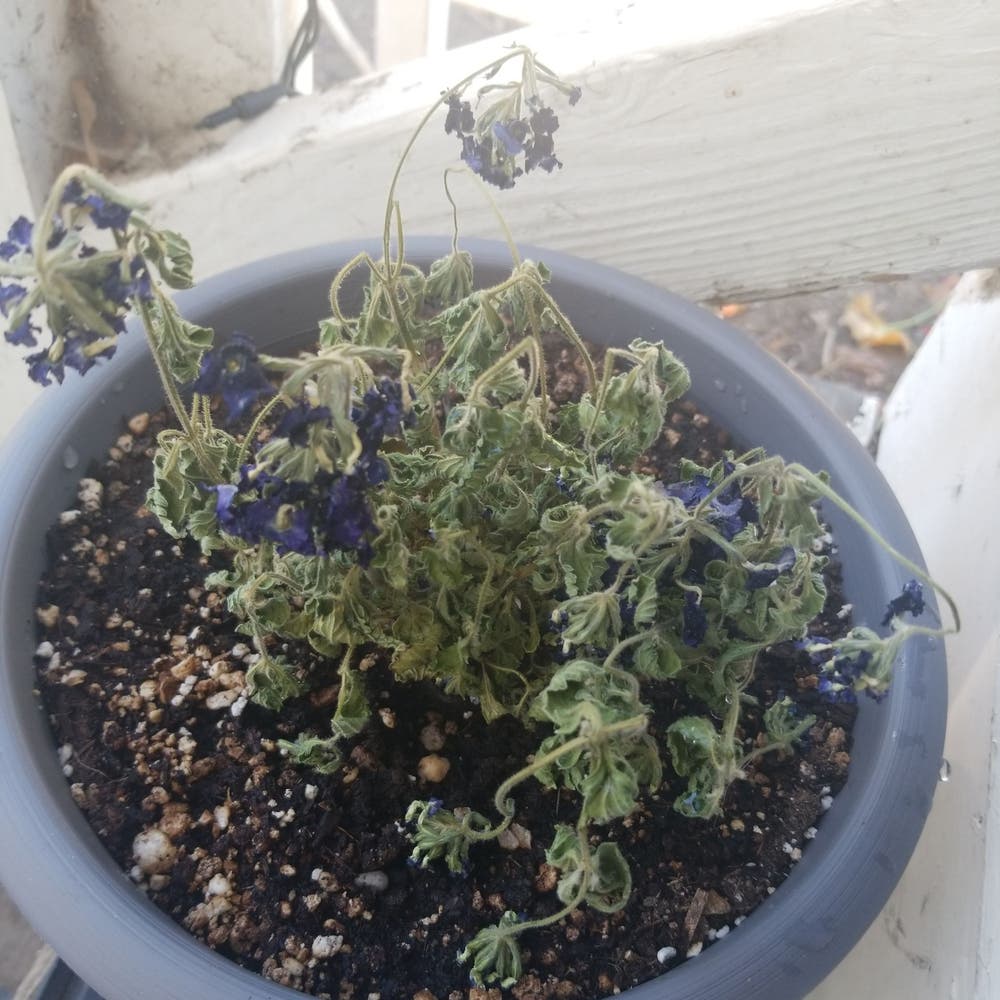
🌸 Growth Rate of Dwarf Verbena
Verbena tenuisecta
By the Greg Editorial Team
Oct 20, 2024•6 min read
This article was created with the help of AI so we can cover more plants for you. May contain errors. See one? Report it here.
Cultivate vibrant dwarf verbena 🌼 by mastering its growth stages and essential care tips for a stunning garden!
- 🌱 Dwarf verbena seeds germinate in 7-14 days under optimal conditions.
- ☀️ Full sun and well-draining soil are essential for healthy growth and flowering.
- 🌼 Flowering begins 10-12 weeks after germination, showcasing vibrant purple blooms.
Germination Stage
🌱 Duration of Germination
The germination period for dwarf verbena typically spans 7 to 14 days under optimal conditions. This timeframe allows the seeds to sprout and begin their journey toward becoming vibrant plants.
🌟 Conditions for Successful Germination
To ensure successful germination, several conditions must be met:
🌿 Soil Requirements
Dwarf verbena thrives in well-draining, fertile soil with a pH level between 6.0 and 7.0. This balance provides the necessary nutrients for healthy growth.
🌡️ Temperature
The ideal temperature for germination lies between 70°F to 75°F (21°C to 24°C). Maintaining this warmth is crucial for encouraging seed sprouting.
💡 Light Exposure
Light plays a vital role in the germination process. Seeds should not be buried deeply; they require light to germinate effectively. A light sprinkle of soil is all they need to get started.
With the right conditions in place, your dwarf verbena seeds will be well on their way to sprouting. As they transition to the seedling stage, you'll witness the first signs of growth, setting the stage for a flourishing plant.
Seedling Stage
Characteristics of Seedlings 🌱
Dwarf verbena seedlings are a sight to behold, showcasing small, green leaves that have a delicate structure. Their compact and upright growth habit allows them to establish strong roots, setting the stage for future development.
Duration of the Seedling Stage ⏳
Typically, this stage lasts about 3-4 weeks. During this time, seedlings prepare for transplanting, ensuring they are robust enough to thrive in their new environment.
The seedling stage is crucial for the overall growth of dwarf verbena. Understanding its characteristics and duration helps gardeners provide the best care possible, leading to healthier plants.
As we move forward, let’s explore the vegetative growth stage and the exciting changes that occur during this period.
Vegetative Growth Stage
Growth Patterns and Changes 🌱
During the vegetative growth stage, dwarf verbena undergoes significant transformations. You'll notice the formation of larger, more robust leaves that give the plant a fuller appearance.
As the plant matures, it experiences rapid vertical growth, reaching heights of up to 12 inches. This stage is crucial for establishing a strong foundation before flowering begins.
Duration of Vegetative Growth ⏳
Typically, the vegetative growth phase lasts about 4 to 8 weeks. The exact duration can vary based on environmental conditions, such as temperature and moisture levels.
Understanding this stage helps gardeners anticipate when their plants will be ready to bloom. With the right care, your dwarf verbena will thrive and prepare for the next exciting phase of its life cycle.
Flowering Stage
Timing of Flowering 🌸
The flowering stage of dwarf verbena typically begins 10 to 12 weeks after germination. This period marks an exciting transition, as the plants start to showcase their vibrant blooms.
Characteristics of Flowers 🌼
Dwarf verbena produces clusters of small, vibrant purple flowers that are not just visually appealing but also attract pollinators. This flowering duration can last several weeks, generally from late spring to early fall, creating a stunning display in your garden.
Factors Influencing Flowering ☀️
To maximize flowering, full sun exposure is essential. Adequate fertilization also plays a crucial role in supporting robust flower production, ensuring your plants thrive and bloom beautifully.
In summary, understanding the flowering stage of dwarf verbena is vital for successful cultivation. With the right conditions, you can enjoy a colorful and lively garden that attracts both bees and butterflies. Next, we will explore the seed production stage, where the cycle continues with the formation of new seeds.
Seed Production Stage
Process of Seed Production 🌼
Pollination is a crucial step in the seed production of dwarf verbena. While insects primarily handle this task, self-pollination can also occur, ensuring that seeds are formed even in less-than-ideal conditions.
Once pollination happens, seeds begin to develop in the flower heads. This process is vital for the continuation of the plant's life cycle and contributes to the vibrant display of flowers that attract pollinators.
Duration and Conditions for Seed Production ⏳
The typical duration for seed maturation is about 4-6 weeks after flowering. During this time, the seeds need warm temperatures and adequate moisture to ensure their viability.
These conditions are essential for producing healthy seeds that can thrive in future growing seasons. Proper care during this stage can lead to a bountiful harvest of seeds, ready to start the cycle anew.
As we explore the growth rate and maturation of dwarf verbena, understanding the seed production stage highlights the importance of each phase in the plant's life cycle.
Growth Rate and Maturation
🌱 How Long Until Dwarf Verbena is Fully Grown?
Dwarf verbena typically takes about 12-16 weeks to reach full maturity from seed. This timeframe allows the plant to transition through its various growth stages, ultimately producing vibrant flowers.
⏳ Factors Affecting Growth Rate
Several factors can influence how quickly your dwarf verbena grows:
- Soil Quality: Nutrient-rich, well-draining soils are essential for promoting faster growth.
- Watering Practices: Consistent moisture is key, but avoid waterlogging to prevent root rot.
- Sunlight Exposure: Full sun is crucial; it significantly enhances growth rates.
🌍 Comparison of Growth Rates in Different Conditions
Growth rates can vary dramatically based on environmental conditions.
- Optimal Conditions: In full sun and well-drained soil, dwarf verbena flourishes and grows quickly.
- Poor Conditions: Conversely, growth slows in shaded areas or overly wet environments, leading to weaker plants.
Understanding these factors can help you cultivate a thriving dwarf verbena garden. With the right conditions, you'll enjoy a beautiful display of flowers in no time!
Notable Changes Throughout Life Cycle
🌱 Physical Changes from Seed to Maturity
The journey of dwarf verbena begins with delicate seedlings that gradually transform into robust flowering plants. This transition is marked by significant growth and structural changes, showcasing the plant's resilience and adaptability.
🎨 Changes in Color, Size, and Structure
As dwarf verbena matures, its leaves shift from a soft green to a rich, dark green during the vegetative stage. When flowering begins, expect vibrant purple blooms that create a stunning visual display.
The size of the plant also increases dramatically, evolving from small seedlings to mature specimens that can reach impressive heights. This growth not only enhances the plant's aesthetic appeal but also its ability to attract pollinators.
🌍 Environmental Influences on Growth Stages
Temperature and moisture play crucial roles in the growth of dwarf verbena. Warmer, drier conditions can speed up growth, allowing the plant to thrive.
Conversely, excessive moisture can hinder development, leading to stunted growth or even disease. Understanding these environmental factors is key to nurturing healthy dwarf verbena plants.
As we explore the growth rate and maturation of dwarf verbena, it’s essential to consider how these changes impact overall plant health and flowering potential.
⚠️ Safety First
This content is for general information and may contain errors, omissions, or outdated details. It is not medical, veterinary advice, or an endorsement of therapeutic claims.
Always consult a qualified healthcare professional before using any plant as food, medicine, or supplement.
Never eat any plant (or feed one to pets) without confirming its identity with at least two trusted sources.
If you suspect poisoning, call Poison Control (800) 222-1222, the Pet Poison Helpline (800) 213-6680, or your local emergency service immediately.
Spotted an error? Please report it here.
Nurture your dwarf verbena from seed to stunning bloom 🌸 with Greg's tailored reminders and expert care tips that ensure your plants thrive at every stage!