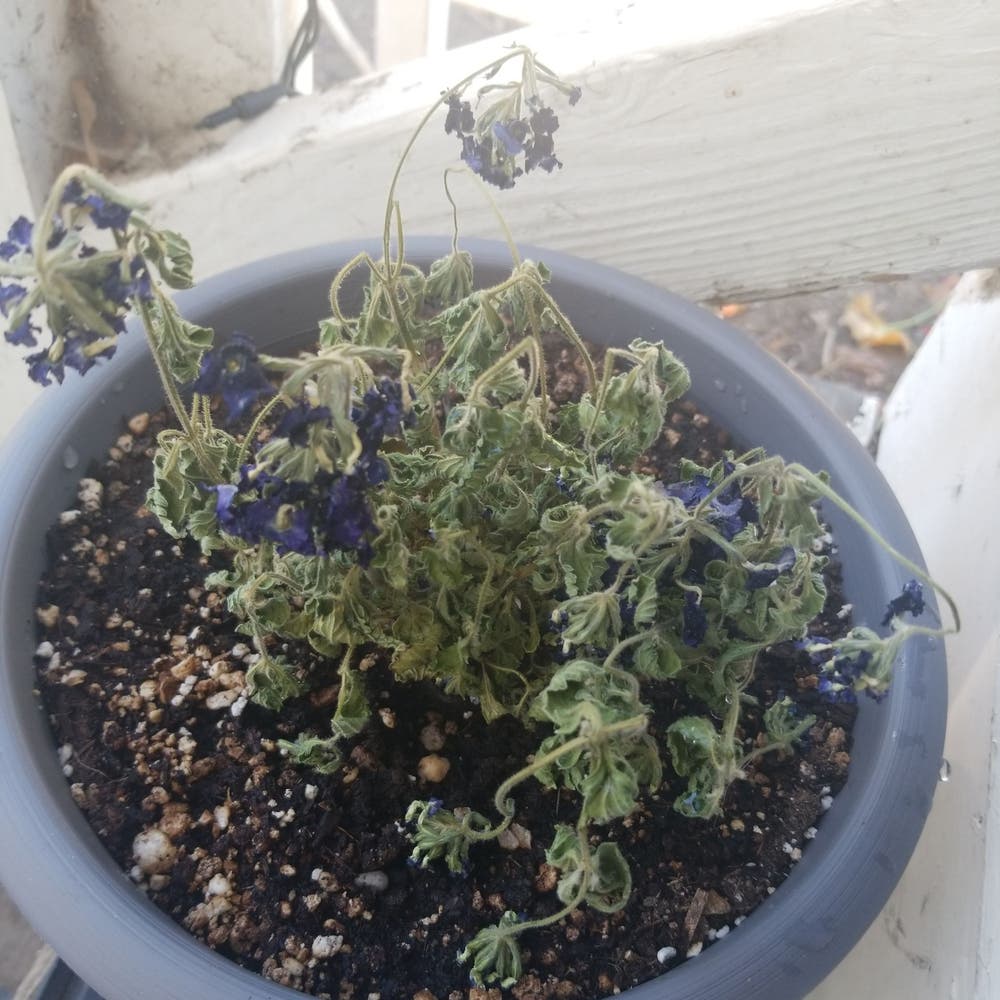
🍂 What to Do About Leaves Falling Over on Your Dwarf Verbena
Verbena tenuisecta
By the Greg Editorial Team
Oct 20, 2024•6 min read
This article was created with the help of AI so we can cover more plants for you. May contain errors. See one? Report it here.
Transform your Dwarf Verbena into a vibrant showstopper 🌼 by mastering watering and pest control techniques!
- 💧 Overwatering and underwatering both cause leaf drop; maintain a consistent watering routine.
- 🐛 Check for pests like aphids regularly to prevent leaf damage and drooping.
- 🌞 Dwarf Verbena thrives in full sun (6-8 hours) and optimal humidity (40%-60%).
Causes of Leaves Falling Over
💧 Overwatering and Its Effects
Overwatering is a common issue for Dwarf Verbena, manifesting through yellowing leaves and mushy stems. If you notice a foul smell or blackened roots, root rot may be the culprit.
The health of your Dwarf Verbena can suffer significantly from overwatering. It reduces oxygen availability to the roots, making the plant more susceptible to diseases.
🚰 Underwatering and Its Effects
On the flip side, underwatering presents its own set of symptoms. Look for wilting leaves and dry, crispy edges, which can lead to stunted growth and leaf drop.
Underwatering stresses the plant, resulting in reduced flowering and overall vitality. Keeping a close eye on moisture levels is crucial for maintaining a healthy Dwarf Verbena.
🐞 Pest Infestations
Common Pests Affecting Dwarf Verbena
Aphids are notorious for their sticky residue and curled leaves. These pests weaken the plant and can lead to leaf drop if not addressed.
Spider mites are another concern, identifiable by fine webbing and stippled leaves. They can significantly reduce the vigor of your Dwarf Verbena, causing leaf wilting.
🌱 Nutrient Deficiencies
Key Nutrients for Dwarf Verbena
Nitrogen deficiency is often marked by pale leaves and stunted growth. This nutrient is vital for lush, green foliage.
Potassium deficiency shows up as browning leaf edges and overall droopiness. Balanced fertilization is essential for promoting healthy growth and preventing these deficiencies.
🌡️ Environmental Stress
Factors Contributing to Stress
Temperature fluctuations can wreak havoc on your Dwarf Verbena. The ideal range is between 65°F to 75°F (18°C to 24°C), and extreme temperatures can negatively impact leaf health.
Humidity levels also play a role; an optimal range of 40% to 60% is best. Low humidity can lead to drooping leaves, so monitoring environmental conditions is key to keeping your plant thriving.
Understanding these causes will help you take proactive measures to maintain the health of your Dwarf Verbena. Next, we’ll explore how to diagnose the specific problems affecting your plant.
Diagnosing the Problem
🌊 Signs of Overwatering vs. Underwatering
Identifying whether your Dwarf Verbena is overwatered or underwatered is crucial for its health.
Overwatering indicators include soggy soil and mushy roots. If you notice yellowing leaves, it’s a telltale sign that your plant is drowning.
Underwatering indicators present themselves as dry, crispy leaves and stunted growth. Check for soil dryness; if it feels parched, your plant is likely thirsty.
🐛 Identifying Pest Damage
Pest infestations can wreak havoc on your Dwarf Verbena.
Visual inspection techniques are essential. Look closely at the undersides of leaves and along stems for any signs of pests.
Tools for detection like a magnifying glass can help spot smaller invaders. Regular checks can prevent a minor issue from becoming a major problem.
🍃 Recognizing Nutrient Deficiency Symptoms
Nutrient deficiencies can lead to serious health issues for your plant.
Leaf color changes often indicate a lack of essential nutrients. Pale leaves may signal nitrogen deficiency, while browning edges could point to potassium issues.
Soil testing methods can help you determine nutrient levels. A simple test can guide your fertilization strategy, ensuring your Dwarf Verbena thrives.
🌡️ Assessing Environmental Conditions
Environmental factors play a significant role in your plant's well-being.
Measuring temperature and humidity is vital. Dwarf Verbena prefers temperatures between 65°F to 75°F (18°C to 24°C) and humidity levels of 40% to 60%.
Evaluating sunlight exposure is equally important. Ensure your plant receives full sun for at least 6-8 hours daily to promote healthy growth.
Understanding these diagnostic signs will empower you to take action and restore your Dwarf Verbena to its vibrant self. Next, let’s explore effective solutions and treatments to address these issues.
Solutions and Treatments
🌊 Adjusting Watering Practices
To keep your Dwarf Verbena thriving, it's crucial to establish a consistent watering routine. Allow the soil to dry out between waterings to prevent overwatering, which can lead to root rot.
To check soil moisture, use simple techniques like the finger test or a moisture meter. These methods help you gauge when your plant needs a drink, ensuring it stays healthy and vibrant.
🕳️ Improving Soil Drainage
Soil drainage is vital for the health of your Dwarf Verbena. Consider incorporating amendments like perlite or sand into your soil mix to enhance drainage.
If you're using containers, choose options with drainage holes. This will prevent water from pooling at the bottom, reducing the risk of root rot.
🌱 Applying Appropriate Fertilizers
Fertilization plays a key role in promoting robust growth. Opt for balanced NPK fertilizers or organic options tailored for flowering plants.
Timing is essential; fertilize during the growing season every 4-6 weeks. This regular feeding will support your Dwarf Verbena's vitality and flowering potential.
🐞 Treating Pest Infestations
🌿 Organic Options
When pests invade, consider organic treatments first. Neem oil and insecticidal soap are effective and safe for your plants.
You can also introduce beneficial insects like ladybugs and lacewings. These natural predators help keep pest populations in check without harming your Dwarf Verbena.
⚗️ Chemical Options
If the infestation is severe, systemic insecticides may be necessary. Follow usage guidelines carefully to protect your plant and the surrounding environment.
Always take precautions when using chemicals, ensuring you apply them in a way that minimizes harm to beneficial insects and nearby plants.
☀️ Creating a Suitable Environment
Dwarf Verbena thrives in full sun, requiring 6-8 hours of direct sunlight daily. Position your plants accordingly to maximize their exposure.
Temperature and humidity also play a significant role in their health. Aim to maintain a stable environment, avoiding extreme fluctuations that can stress your plants.
By implementing these solutions, you can create a flourishing environment for your Dwarf Verbena. Next, let's explore preventative measures to ensure your plants remain healthy and vibrant year-round.
Preventative Measures
🌊 Best Practices for Watering Dwarf Verbena
Establishing a consistent watering schedule is vital for the health of your Dwarf Verbena. Aim to water when the top inch of soil feels dry, ensuring you don’t overwater or underwater.
Using self-watering pots can also help maintain moisture levels. These pots provide a steady supply of water, reducing the risk of stress on your plants.
🌱 Soil Selection and Preparation
Choosing well-draining soil mixes is crucial for Dwarf Verbena. Look for potting mixes that include perlite or sand to enhance drainage.
Before planting, conduct a soil test to check nutrient levels. This ensures your plants receive the right balance of nutrients from the start.
🐛 Regular Monitoring for Pests and Diseases
Set a schedule for regular inspections of your plants. This proactive approach helps catch any pest infestations or diseases early.
Keeping a garden journal can be beneficial. Documenting changes in plant health allows you to track patterns and adjust care as needed.
🍂 Seasonal Care Tips to Prevent Stress
Adjust your care practices with the changing seasons. For instance, reduce watering in the winter when growth slows down.
Preparing your plants for winter dormancy is essential. Mulching and protecting them from harsh conditions can help them thrive when spring arrives.
By implementing these preventative measures, you can ensure your Dwarf Verbena remains healthy and vibrant throughout the year. This proactive approach sets the stage for a flourishing garden, ready to transition into the next topic of diagnosing potential issues.
⚠️ Safety First
This content is for general information and may contain errors, omissions, or outdated details. It is not medical, veterinary advice, or an endorsement of therapeutic claims.
Always consult a qualified healthcare professional before using any plant as food, medicine, or supplement.
Never eat any plant (or feed one to pets) without confirming its identity with at least two trusted sources.
If you suspect poisoning, call Poison Control (800) 222-1222, the Pet Poison Helpline (800) 213-6680, or your local emergency service immediately.
Spotted an error? Please report it here.
Keep your Dwarf Verbena thriving 🌼 by using Greg's tailored care reminders to master watering, pest control, and nutrient management for a flourishing garden!