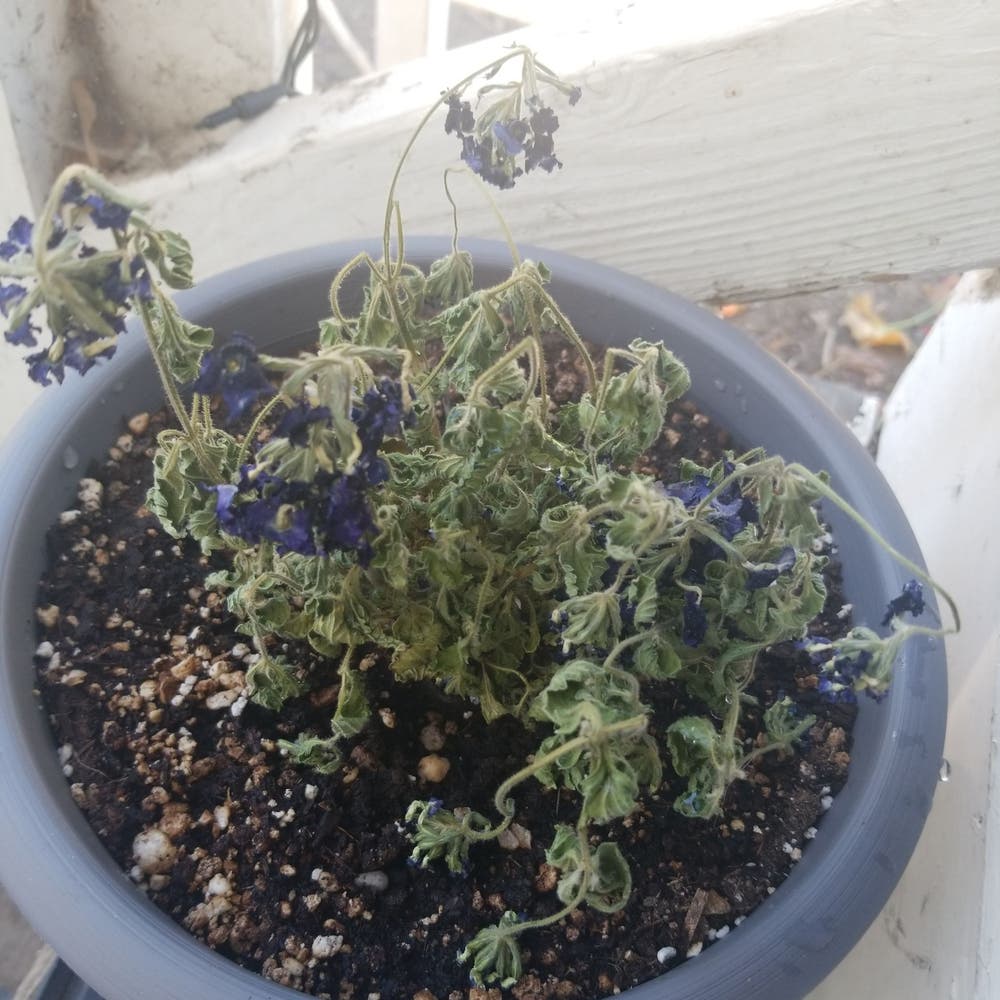
💧 How to Cure Droopy Leaves on Your Dwarf Verbena
Verbena tenuisecta
By the Greg Editorial Team
Oct 20, 2024•6 min read
This article was created with the help of AI so we can cover more plants for you. May contain errors. See one? Report it here.
Transform your droopy Dwarf Verbena into a thriving beauty 🌱 with essential tips on care and prevention!
- 💧🌱 Droopy leaves indicate overwatering or underwatering; check for yellowing or dryness.
- 🌿🔍 Nutrient deficiencies and pests can also cause droopiness; inspect regularly for issues.
- 🌞🌡️ Optimal care includes 6-8 hours of sunlight and balanced watering for healthy growth.
Causes of Droopy Leaves
💧 Overwatering and Its Effects
Droopy leaves can often signal overwatering. Symptoms include yellowing leaves, mushy stems, and root rot, which can severely impact your Dwarf Verbena's health.
Consistently soggy soil leads to poor root oxygenation. To prevent this, ensure your pots have drainage holes and avoid water accumulation at the bottom.
🚰 Underwatering and Dehydration
On the flip side, underwatering can also cause droopy leaves. Look for crispy, dry leaves and wilting as key indicators.
If the soil feels dry several inches down, it’s time to water. Regularly check soil moisture and water when the top inch is dry to keep your plant thriving.
🥦 Nutrient Deficiencies
Nitrogen Deficiency
A lack of nitrogen manifests as pale green leaves and stunted growth. Nitrogen is essential for leaf development, so it's crucial to monitor your plant's nutrient intake.
Potassium Deficiency
Potassium deficiency shows up as browning leaf edges and poor flowering. This nutrient is vital for overall plant health and stress resistance, making it important to maintain a balanced diet for your Dwarf Verbena.
🐛 Pest Infestations
Common Pests
Pests can wreak havoc on your plants, leading to droopy leaves. Aphids are notorious for curling leaves and leaving sticky residue, while spider mites create fine webbing and cause stippled leaves.
These pests weaken the plant, making it more susceptible to droopiness. Regular inspections can help catch infestations early.
🌡️ Environmental Stress
Temperature
Dwarf Verbena thrives in a temperature range of 65°F to 75°F (18°C to 24°C). Extreme heat or cold can stress the plant, resulting in droopy leaves.
Humidity
Moderate humidity is ideal for Dwarf Verbena. If humidity levels drop too low, it can lead to dehydration and droopy leaves.
Understanding these causes can help you take proactive steps to maintain your plant's health. Next, we’ll explore how to diagnose droopy leaves effectively.
Diagnosing Droopy Leaves
🌊 Visual Signs of Overwatering vs. Underwatering
Identifying whether your Dwarf Verbena is suffering from overwatering or underwatering is crucial. Overwatering typically manifests as yellow leaves, root rot, and a foul smell emanating from the soil. In contrast, underwatering presents itself through wilting, dry leaves, and soil that pulls away from the pot.
🐛 Identifying Pest Damage
Pests can wreak havoc on your plants, leading to droopy leaves. Regularly check for visible pests on the leaves and stems. Look for signs of damage, such as leaf curling or discoloration, which can indicate an infestation.
🥦 Recognizing Nutrient Deficiency Symptoms
Nutrient deficiencies can also contribute to droopy leaves. A nitrogen deficiency often results in pale leaves and slow growth, while a potassium deficiency is characterized by browning leaf edges and reduced flowering. Both deficiencies can significantly impact your plant's health.
🌡️ Assessing Environmental Conditions
Environmental factors play a significant role in the well-being of your Dwarf Verbena. Ensure your plant receives 6-8 hours of full sun daily for optimal growth. Additionally, monitor temperature extremes, as both heat and cold can stress the plant, leading to droopy leaves.
Understanding these diagnostic signs will help you pinpoint the issue affecting your Dwarf Verbena. Once you've identified the problem, you can move on to implementing effective solutions to restore your plant's vitality.
Solutions for Droopy Leaves
💧 Adjusting Watering Practices
To revive your Dwarf Verbena, start by checking the soil moisture. Use a simple finger test: if the top inch feels dry, it’s time to water.
Next, water thoroughly until excess drains from the bottom. For added precision, consider using a moisture meter; it’s an easy way to ensure your plant gets just the right amount of hydration.
🌱 Fertilizing for Nutrient Balance
A balanced fertilizer is key to keeping your plant healthy. Look for an N-P-K ratio of 10-10-10 and apply it during the growing season every 4-6 weeks.
This will help replenish essential nutrients, ensuring your Dwarf Verbena thrives and avoids droopy leaves.
🐛 Pest Control Methods
Organic Options
If pests are the culprit, start with organic solutions. Neem oil is effective against common pests like aphids and spider mites, while insecticidal soap is safe for your Dwarf Verbena.
These options are gentle yet effective, helping to keep your plant healthy without harsh chemicals.
Chemical Options
For severe infestations, systemic insecticides may be necessary. These treatments work from the inside out, providing robust protection against persistent pests.
🌞 Environmental Adjustments
Finally, consider the environment your Dwarf Verbena is in. If it’s not getting enough light, move it to a sunnier spot to boost its health.
During extreme heat, use shade cloths to protect your plant from stress. These simple adjustments can make a significant difference in keeping your leaves perky and vibrant.
By implementing these solutions, you’ll be well on your way to reviving your Dwarf Verbena and preventing future droopiness. Next, let’s explore how to prevent these issues from arising in the first place.
Preventing Future Droopy Leaves
💧 Best Practices for Watering
To keep your Dwarf Verbena thriving, water deeply but infrequently. This approach encourages deep root growth, making your plant more resilient.
Consider using the Greg plant care app for timely reminders on your watering schedule. Staying consistent will help you avoid the pitfalls of over- or underwatering.
🌱 Soil Selection and Drainage Tips
Choosing the right soil is crucial. Opt for a well-draining potting mix or sandy loam to promote healthy root development.
Always ensure your pots have adequate drainage holes. This prevents water accumulation, which can lead to root rot.
🐛 Regular Pest Monitoring and Control
Make it a habit to inspect your plants weekly for any signs of pests. Early detection can save your Dwarf Verbena from significant damage.
Implement preventative measures, such as companion planting, to deter pests naturally. This proactive approach keeps your plants healthy and vibrant.
🌦️ Seasonal Care Adjustments
Adjust your watering frequency based on seasonal changes. In hotter months, your plant may need more water, while cooler months may require less.
Mulching in summer helps retain soil moisture, providing a buffer against extreme heat. This simple step can make a big difference in your plant's health.
By following these preventive measures, you can ensure your Dwarf Verbena remains lush and vibrant, steering clear of droopy leaves. Next, let’s explore effective solutions for diagnosing droopy leaves when they do occur.
⚠️ Safety First
This content is for general information and may contain errors, omissions, or outdated details. It is not medical, veterinary advice, or an endorsement of therapeutic claims.
Always consult a qualified healthcare professional before using any plant as food, medicine, or supplement.
Never eat any plant (or feed one to pets) without confirming its identity with at least two trusted sources.
If you suspect poisoning, call Poison Control (800) 222-1222, the Pet Poison Helpline (800) 213-6680, or your local emergency service immediately.
Spotted an error? Please report it here.
Revive your Dwarf Verbena's droopy leaves with timely care adjustments 🌿 using Greg's moisture monitoring and personalized reminders to keep your plant thriving!