💧 Ultimate Guide to Humidity for Dwarf Verbena
Verbena tenuisecta
By the Greg Editorial Team
Oct 20, 2024•4 min read
This article was created with the help of AI so we can cover more plants for you. May contain errors. See one? Report it here.
Unlock vibrant blooms for your Dwarf Verbena 🌸 by mastering the perfect humidity levels for thriving growth!
- 🌱 Dwarf Verbena thrives at 40-60% humidity for optimal growth and blooms.
- 🌬️ Humidity affects different cultivars; 'Homestead Purple' tolerates lower levels than 'Lollipop.'
- 💧 Low humidity causes wilting and reduced flowering; monitor levels for plant health.
Ideal Humidity Levels for Dwarf Verbena
🌬️ Specific Humidity Requirements
Dwarf Verbena thrives best in an optimal humidity range of 40-60%. This level of humidity not only supports healthy growth but also enhances flowering, resulting in vibrant blooms that can brighten any garden.
Higher humidity levels are particularly beneficial, promoting lush foliage and abundant flowers. However, it's essential to recognize that different cultivars have unique preferences.
Variations Among Cultivars
'Homestead Purple': This cultivar shows a bit more resilience to lower humidity levels, making it a great choice for drier climates.
'Lollipop': In contrast, 'Lollipop' prefers consistent humidity to avoid wilting, highlighting the importance of tailored care for each variety.
Understanding these specific humidity needs is crucial for ensuring your Dwarf Verbena flourishes. By maintaining the right conditions, you can enjoy a stunning display of color and health in your garden.
As we explore the effects of humidity further, you'll discover how both low and high humidity can impact your plants.
Effects of Low and High Humidity
🌵 Low Humidity Stress
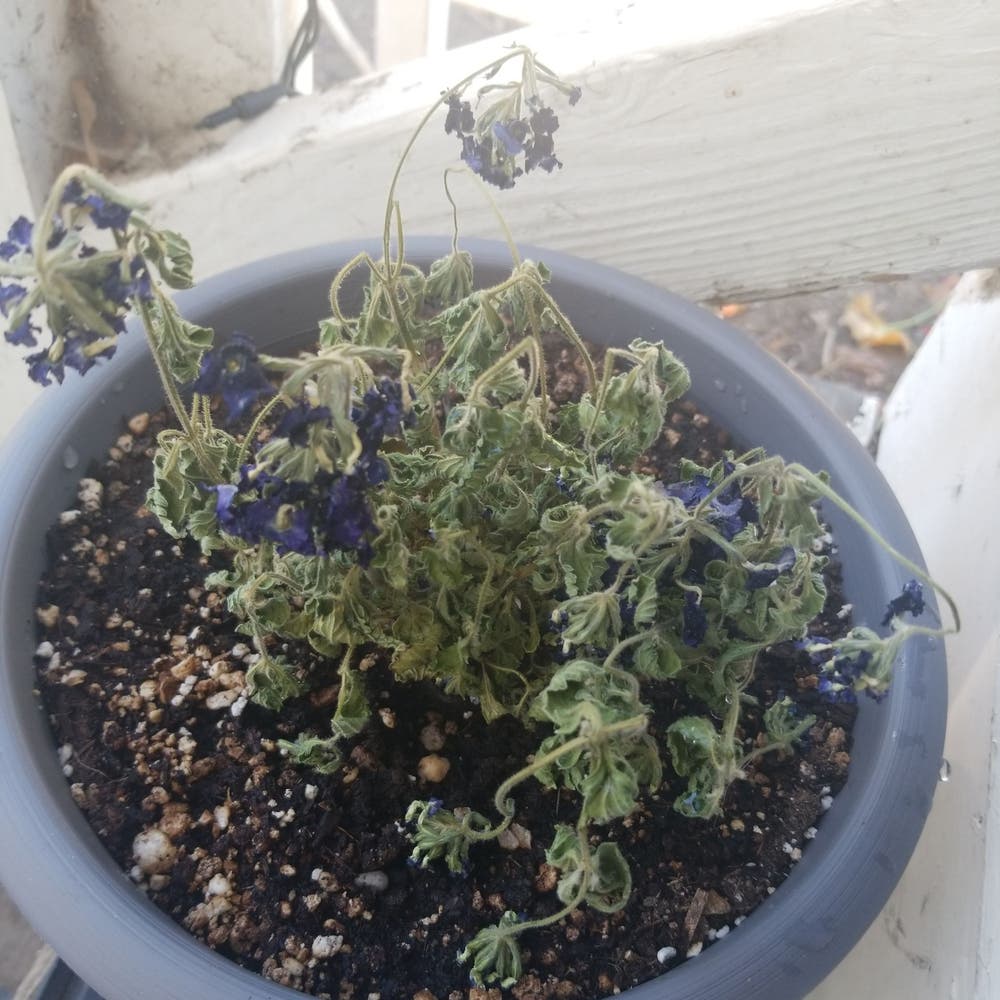
Low humidity can be a real challenge for Dwarf Verbena. Symptoms often start with wilting leaves, signaling water loss that the plant can't recover from easily.
You might also notice reduced flowering, leading to less vibrant blooms and fewer flowers overall. This can be disheartening for any gardener hoping for a colorful display.
Long-term exposure to low humidity can have serious consequences. Plants become more susceptible to pests and diseases, which can wreak havoc on their health.
Additionally, stunted growth is common, resulting in an overall decline in plant vitality. Keeping an eye on humidity levels is essential for maintaining a thriving garden.
🌧️ High Humidity Stress
On the flip side, high humidity presents its own set of problems for Dwarf Verbena. One of the most concerning symptoms is the increased risk of fungal diseases, such as powdery mildew and root rot.
Excess moisture can also lead to leaf drop, weakening the foliage and diminishing the plant's overall appearance. It's a tough situation that can spiral quickly if not addressed.
Long-term high humidity can create poor air circulation, which exacerbates disease issues. This stagnant environment can lead to root problems due to waterlogged soil, making it crucial to monitor humidity levels closely.
Understanding these effects can help you take proactive steps to ensure your Dwarf Verbena thrives, regardless of the humidity challenges it faces. Next, let’s explore how to assess local humidity levels effectively.
Local Humidity Considerations
Assessing Local Humidity Levels 🌧️
Understanding local humidity is crucial for the health of your Dwarf Verbena. You can measure humidity using hygrometers, which come in both digital and analog options.
For a more hands-on approach, check local weather reports. This gives you a quick snapshot of current conditions, helping you tailor your care practices effectively.
Seasonal Variations in Humidity 🌦️
Humidity levels fluctuate with the seasons. In spring and summer, expect higher humidity, which can benefit your plants.
Conversely, fall and winter often bring lower humidity. During these months, you may need to adjust your care routine to keep your Dwarf Verbena thriving. Consider strategies like using humidifiers or grouping plants together to maintain a suitable environment.
By staying aware of these seasonal changes, you can ensure your plants receive the best care possible.
Common Humidity-Related Issues
Identifying Humidity Stress Symptoms 🌬️
Humidity stress can manifest in various ways. Visually, you might notice wilting leaves, leaf drop, or discoloration.
Behaviorally, your Dwarf Verbena may show reduced growth rates and fewer flowers. These signs indicate that your plant is struggling with its environment.
Solutions for Humidity-Related Problems 💧
If low humidity is the issue, quick fixes can help. Increasing watering frequency and using pebble trays can provide immediate relief.
For long-term strategies in high humidity, focus on improving air circulation. Monitoring your watering practices is crucial to prevent waterlogged soil.
⚠️ Safety First
This content is for general information and may contain errors, omissions, or outdated details. It is not medical, veterinary advice, or an endorsement of therapeutic claims.
Always consult a qualified healthcare professional before using any plant as food, medicine, or supplement.
Never eat any plant (or feed one to pets) without confirming its identity with at least two trusted sources.
If you suspect poisoning, call Poison Control (800) 222-1222, the Pet Poison Helpline (800) 213-6680, or your local emergency service immediately.
Spotted an error? Please report it here.
Keep your Dwarf Verbena blooming brilliantly 🌼 by using Greg's tailored humidity tips and reminders to create the perfect environment for vibrant growth!