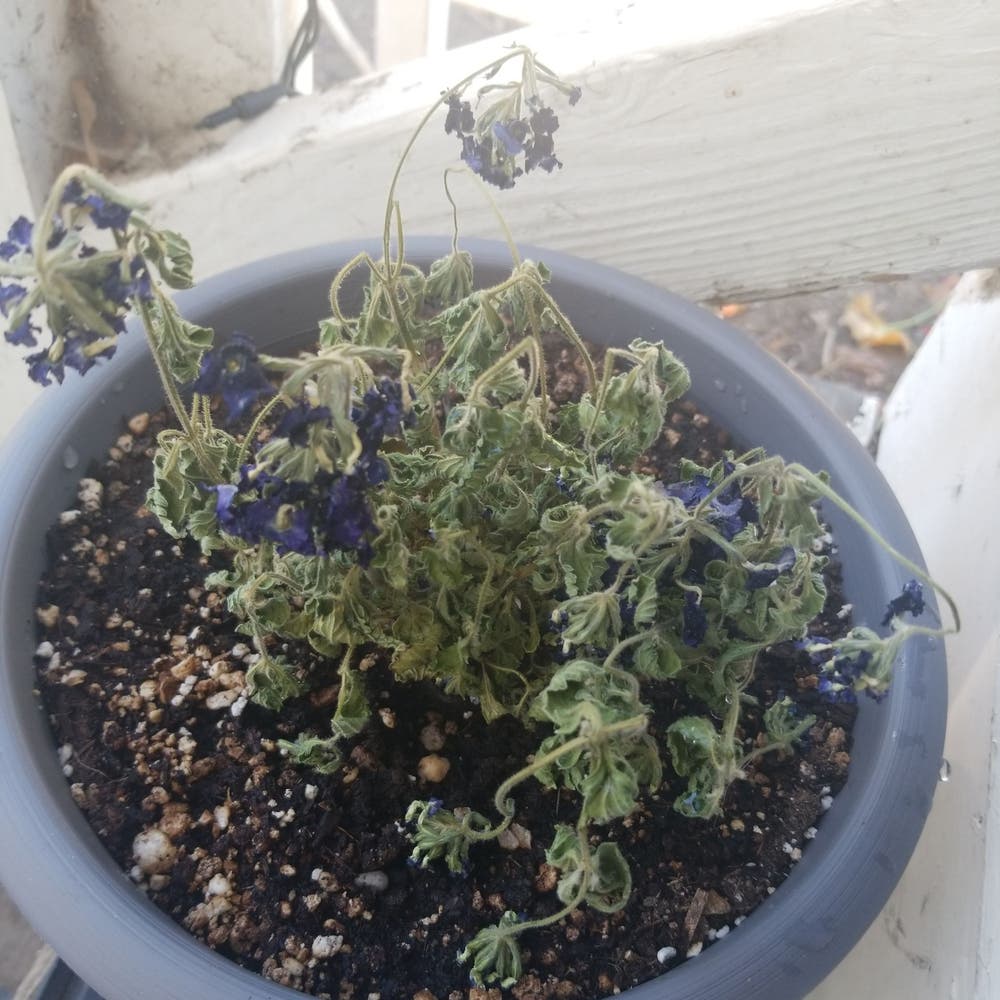
🌸 4 Tips for Blooming Your Dwarf Verbena
Verbena tenuisecta
By the Greg Editorial Team
Oct 20, 2024•5 min read
This article was created with the help of AI so we can cover more plants for you. May contain errors. See one? Report it here.
Elevate your garden with vibrant Dwarf Verbena blooms 🌸 and discover tips to keep them thriving all season!
- 🌼 Dwarf Verbena blooms vibrantly from late spring to early fall, enhancing gardens.
- 🌞 Requires 6-8 hours of sunlight daily for optimal blooming and growth.
- ✂️ Regular deadheading promotes continuous blooms, keeping your garden colorful longer.
Flowering Status
🌸 Clarification on Flowering Status
Dwarf Verbena is a flowering plant that truly shines in ornamental gardens. Its vibrant blooms are a key reason for its popularity, adding color and life to any landscape.
Understanding the flowering characteristics of Dwarf Verbena is essential. These flowers not only enhance the plant's aesthetic appeal but also play a crucial role in its life cycle, contributing to reproduction and overall health.
Flower Characteristics
Description of Colors and Structure 🌈
Dwarf Verbena showcases a vibrant palette, with common shades including purple, pink, and white. These colors bloom in clusters, forming a flower spike that typically measures 2-3 inches in diameter, creating a stunning visual display in any garden.
Self-Pollination vs. External Pollination 🐝
This plant is primarily self-pollinating, which means it can produce seeds without needing another plant. However, it also attracts beneficial pollinators like bees and butterflies, enhancing flower production and overall plant health.
Self-pollination allows Dwarf Verbena to thrive even in less-than-ideal conditions. Yet, the presence of external pollinators can lead to a more robust flowering cycle, enriching the garden's ecosystem.
Understanding these dynamics can help you appreciate the plant's resilience and adaptability. As you cultivate your Dwarf Verbena, consider how these characteristics contribute to its charm and vitality.
Next, we’ll explore the blooming process, detailing the stages from bud formation to full bloom.
Blooming Process
🌱 Outline of Blooming Stages
The blooming process of Dwarf Verbena begins with bud formation, where tiny buds emerge, signaling the start of the flowering journey. As these buds mature, they transition into full bloom, transforming into vibrant flower spikes that can be quite striking.
⏳ Typical Bloom Time and Duration
Dwarf Verbena typically blooms from late spring to early fall, providing a colorful display for several months. The entire process, from bud formation to full bloom, generally takes about 4-6 weeks, making it a relatively quick bloomer.
🌼 Lifespan of Flowers
Once in bloom, individual flowers have a lifespan of about 1-2 weeks. However, with regular deadheading, you can encourage continuous blooming throughout the season, keeping your garden lively and vibrant.
This blooming process not only adds beauty to your garden but also sets the stage for understanding how to encourage more blooms. Let's explore some effective tips for maximizing your Dwarf Verbena's flowering potential.
Encouraging Blooms
🌞 Tips for Encouraging Dwarf Verbena to Bloom
To get your Dwarf Verbena blooming beautifully, start with optimal sunlight. Aim for full sun exposure, which means at least 6-8 hours of direct sunlight daily.
Next, focus on soil conditions. Dwarf Verbena thrives in well-drained, fertile soil that allows roots to breathe and absorb nutrients effectively.
Watering practices are also crucial. Maintain consistent moisture, but be careful not to waterlog the soil, as this can hinder blooming.
🌼 Factors Influencing Flowering
Several factors can influence the flowering of your Dwarf Verbena. Temperature plays a significant role; warmer conditions generally promote more blooms.
Soil quality and fertilization are equally important. Regularly check your soil's nutrient levels and consider a balanced fertilizer to boost growth.
Pruning and deadheading are essential practices for encouraging further blooms. By removing spent flowers, you signal the plant to produce more, extending its blooming period.
With these tips and insights, you can create an environment where your Dwarf Verbena flourishes, ensuring a vibrant display throughout the growing season. Next, let’s explore what happens after the flowering period and how to care for your plant post-bloom.
Post-Flowering Care
What Happens After the Flowering Period 🌼
After the flowering period, Dwarf Verbena can either form seeds or continue its growth cycle. This adaptability means that even post-bloom, the plant remains a vibrant part of your garden.
Deadheading is crucial during this phase. By removing spent flowers, you encourage the plant to redirect its energy toward producing new blooms rather than seed formation.
Clarification on Lifespan After Flowering 🌱
It's a common misconception that Dwarf Verbena dies after flowering. In reality, this resilient plant can thrive and keep producing new blooms throughout the growing season.
With proper care, your Dwarf Verbena will continue to be a colorful addition to your garden, showcasing its beauty long after the initial blooms fade.
As you nurture your plant, remember that ongoing attention will lead to a flourishing display, setting the stage for the next section on its unique aspects.
Unique Aspects
🌼 Unusual Characteristics Related to Flowering
Dwarf Verbena is not just a pretty face; it has some unique traits that make it stand out. Its ability to attract specific pollinators, such as bees and butterflies, enhances its role in the garden ecosystem.
Additionally, this plant is known for its drought tolerance, making it a resilient choice for various climates. Different cultivars of Dwarf Verbena can exhibit variations in flowering characteristics, including color intensity and bloom size, adding diversity to your garden.
🤔 Trivia About Reproductive Strategy
Did you know that Dwarf Verbena primarily relies on self-pollination? This strategy ensures that even in the absence of pollinators, the plant can still produce flowers and seeds.
Moreover, its flowers have historical significance in various cultures, often symbolizing beauty and resilience. The attraction of beneficial insects not only aids in pollination but also promotes a healthy garden environment, making Dwarf Verbena a fantastic addition to any ornamental space.
As we explore how to encourage blooms in Dwarf Verbena, understanding these unique aspects can enhance your gardening experience.
⚠️ Safety First
This content is for general information and may contain errors, omissions, or outdated details. It is not medical, veterinary advice, or an endorsement of therapeutic claims.
Always consult a qualified healthcare professional before using any plant as food, medicine, or supplement.
Never eat any plant (or feed one to pets) without confirming its identity with at least two trusted sources.
If you suspect poisoning, call Poison Control (800) 222-1222, the Pet Poison Helpline (800) 213-6680, or your local emergency service immediately.
Spotted an error? Please report it here.
Achieve vibrant blooms all season long 🌼 with Greg's tailored care reminders that ensure your Dwarf Verbena thrives beautifully in your garden!