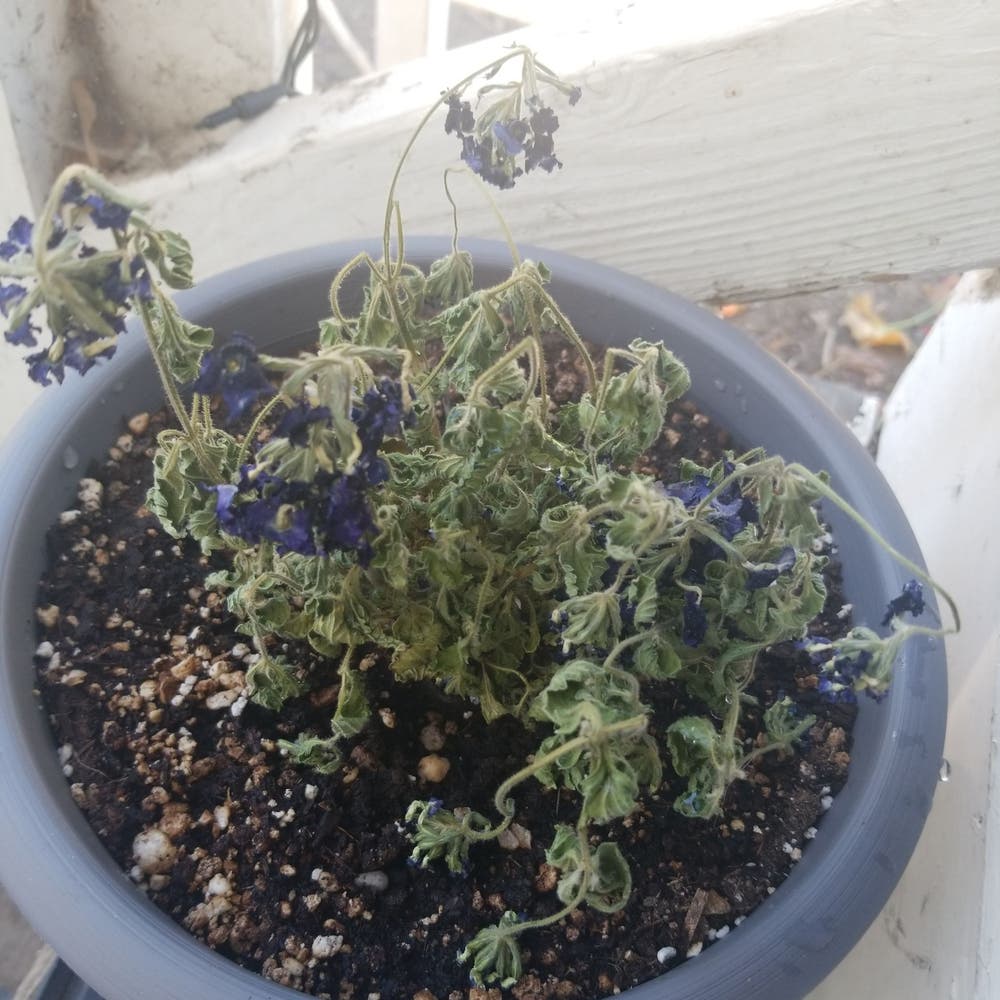
🌸 5 Common Dwarf Verbena Flowering Issues
Verbena tenuisecta
By the Greg Editorial Team
Oct 20, 2024•5 min read
This article was created with the help of AI so we can cover more plants for you. May contain errors. See one? Report it here.
Unlock vibrant blooms for your Dwarf Verbena 🌼 by mastering light, nutrients, and seasonal care techniques!
- 🌞 Dwarf Verbena needs 6-8 hours of sunlight daily for optimal blooming.
- 🌱 Nutrient deficiencies in nitrogen, phosphorus, and potassium hinder flower production.
- 💧 Overwatering causes flower drop; allow soil to dry between watering sessions.
Failure to Bloom
🌞 Potential Causes
Light Requirements
Dwarf Verbena flourishes in full sun, requiring 6-8 hours of sunlight daily. If your plants are showing stunted growth or a leggy appearance, they might not be getting enough light.
Nutritional Needs
A lack of essential nutrients can hinder blooming. Deficiencies in nitrogen, phosphorus, and potassium, along with poorly draining or depleted soil, can significantly impact flower production.
Environmental Stress
Temperature extremes can be detrimental to blooming. Additionally, water stress from over or under-watering can lead to significant issues for your Dwarf Verbena.
💡 Solutions
Adjusting Light Exposure
If your plants are struggling, consider relocating them to sunnier spots. Reflective surfaces can also help enhance light availability, giving your plants the boost they need.
Fertilization Tips
Applying a balanced fertilizer, such as NPK 10-10-10, during the growing season can make a difference. Conducting soil tests will help you determine nutrient levels and amend your soil accordingly for optimal growth.
By addressing these potential causes and implementing these solutions, you can encourage your Dwarf Verbena to bloom beautifully. Next, let’s explore the issue of premature flower drop and how to tackle it effectively.
Premature Flower Drop
🌧️ Causes
Overwatering
Overwatering is a common culprit behind premature flower drop in Dwarf Verbena. Symptoms include yellowing leaves, wilting, and root rot, all of which indicate that the plant is stressed due to excessive moisture.
Pest Infestations
Pests like aphids and spider mites can also weaken your plants, leading to flower drop. Look for signs such as sticky residue on leaves or visible pests, which can signal an infestation.
🛠️ Solutions
Watering Techniques
To combat overwatering, allow the soil to dry out between watering sessions. Using well-draining soil is crucial to prevent water accumulation and promote healthy roots.
Pest Control Methods
For pest issues, consider introducing beneficial insects like ladybugs, which can help keep aphid populations in check. If the infestation is severe, applying insecticidal soap or neem oil can effectively manage the problem.
By addressing these causes and implementing the suggested solutions, you can help your Dwarf Verbena thrive and enjoy a vibrant display of blooms. Next, let’s explore abnormal flower development and how to ensure your plants produce beautiful flowers.
Abnormal Flower Development
🌱 Causes
Nutrient Deficiencies
Abnormal flower development often stems from nutrient deficiencies. Symptoms include small, discolored, or malformed flowers, primarily due to a lack of phosphorus, which is crucial for healthy flower formation.
Pruning Mistakes
Improper pruning can also disrupt flowering. If done at the wrong time or too aggressively, it can remove essential flower buds, leading to disappointing blooms.
💡 Solutions
Correct Fertilization
To combat nutrient deficiencies, use a phosphorus-rich fertilizer. Aim to fertilize every 4-6 weeks during the growing season for optimal results.
Proper Pruning Techniques
Timing is key when it comes to pruning. Prune after the first bloom cycle to encourage new growth, and always remove dead or damaged stems without cutting into healthy buds.
By addressing these issues, you can help your Dwarf Verbena thrive and produce stunning flowers. Next, let’s explore pest and disease management to keep your plants healthy and blooming beautifully.
Pest and Disease Management
Managing pests and diseases is crucial for keeping your Dwarf Verbena healthy and blooming beautifully. Let's dive into the common culprits and effective strategies to combat them.
🐜 Common Pests Affecting Flowering
Aphids
Aphids are tiny pests that can wreak havoc on your plants. Look for curling leaves and a sticky residue on the foliage, which are telltale signs of an infestation.
To control aphids, consider using insecticidal soap or introducing natural predators like ladybugs. These beneficial insects can help keep aphid populations in check without harming your plants.
Spider Mites
Spider mites are another common threat. You might notice fine webbing on your plants and stippled leaves, indicating these pests are at work.
Increasing humidity around your plants can deter spider mites. If the infestation is severe, using miticides may be necessary to protect your Dwarf Verbena.
🛡️ Disease Prevention Strategies
Preventing diseases is just as important as managing pests. Start by ensuring good air circulation around your plants. This simple step can significantly reduce the risk of fungal infections.
Additionally, avoid overhead watering. Watering at the base of the plant helps keep the foliage dry, minimizing the chances of fungal diseases taking hold.
By staying vigilant against pests and diseases, you can enjoy vibrant blooms and a thriving garden. Next, let’s explore how seasonal changes impact the flowering cycle of your Dwarf Verbena.
Seasonal Considerations for Flowering
🌸 How Seasonal Changes Affect Bloom Cycle
Understanding how the seasons influence your Dwarf Verbena's bloom cycle is crucial for vibrant growth.
Spring marks the initiation of the bloom cycle. This is the time to ensure your plants receive adequate care, including proper sunlight and watering.
Summer is the peak blooming period. During this time, keep a close eye on pests and adjust your watering routine to meet their needs.
Fall signals a transition as plants prepare for dormancy. It's essential to reduce watering and stop fertilization to help them rest.
🌦️ Adjusting Care Practices Throughout the Year
Adapting your care practices to the seasons can significantly enhance your Dwarf Verbena's health.
In Spring, focus on fertilizing and pruning to encourage new growth. This sets the stage for a flourishing season ahead.
During Summer, maintain regular watering and conduct pest checks. This proactive approach will help keep your plants thriving.
As Fall approaches, gradually reduce care. This allows your plants to prepare for dormancy, ensuring they come back strong in the next growing season.
With these seasonal insights, you can cultivate a thriving Dwarf Verbena garden that blooms beautifully year after year. Next, let’s explore pest and disease management to keep your plants healthy and vibrant.
⚠️ Safety First
This content is for general information and may contain errors, omissions, or outdated details. It is not medical, veterinary advice, or an endorsement of therapeutic claims.
Always consult a qualified healthcare professional before using any plant as food, medicine, or supplement.
Never eat any plant (or feed one to pets) without confirming its identity with at least two trusted sources.
If you suspect poisoning, call Poison Control (800) 222-1222, the Pet Poison Helpline (800) 213-6680, or your local emergency service immediately.
Spotted an error? Please report it here.
Unlock vibrant blooms 🌼 for your Dwarf Verbena by using Greg's tailored care reminders and nutrient tracking to tackle common flowering issues with confidence!