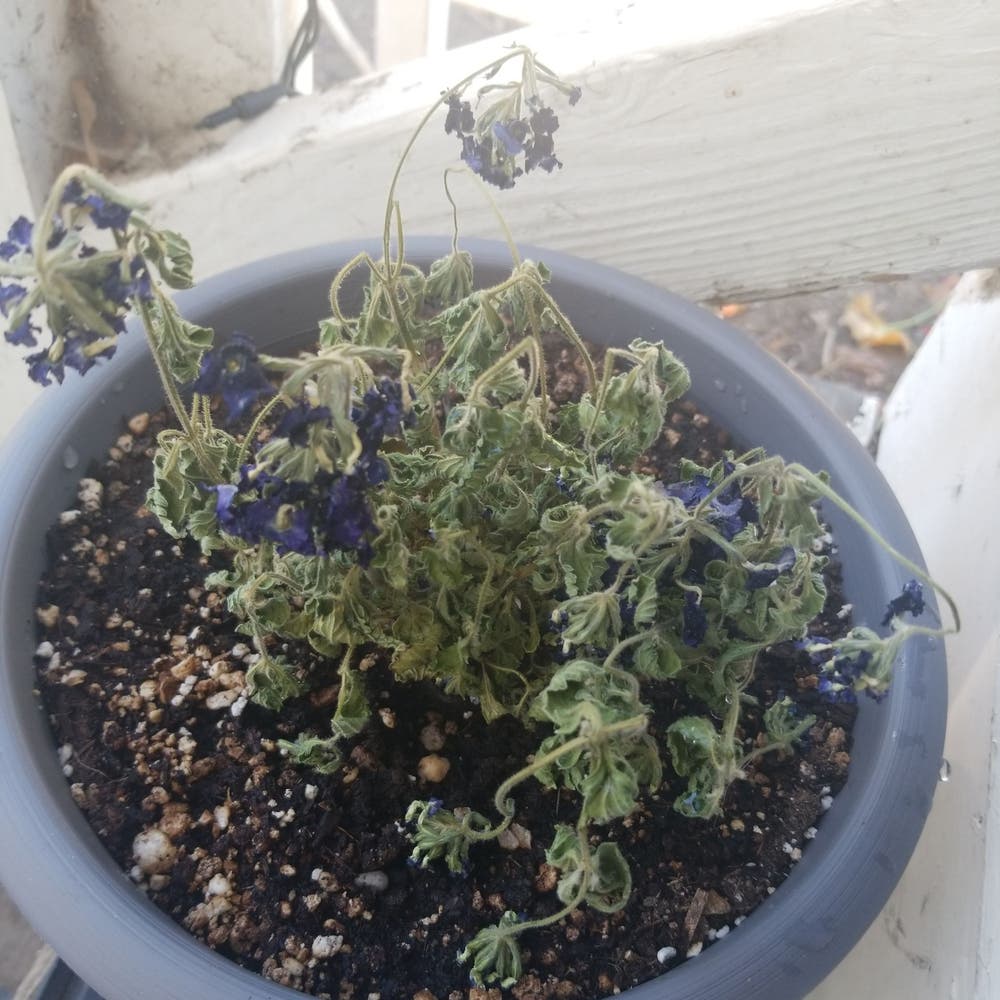
💧 Fertilizing Your Dwarf Verbena to Double Its Growth
Verbena tenuisecta
By the Greg Editorial Team
Oct 20, 2024•4 min read
This article was created with the help of AI so we can cover more plants for you. May contain errors. See one? Report it here.
Transform your dwarf verbena into a blooming masterpiece 🌼 with essential fertilization tips for year-round success!
- 🌱 Use liquid and granular fertilizers correctly to avoid root burn and ensure growth.
- 📅 Fertilize every 4-6 weeks during the growing season for optimal dwarf verbena health.
- ⚠️ Watch for yellowing leaves as signs of over-fertilization; flush soil if needed.
How to Apply Fertilizer
🌱 Application Methods
Liquid Fertilizer
To get the most out of liquid fertilizer, start by diluting it according to the package directions. This ensures that your dwarf verbena receives the right concentration of nutrients without the risk of burning the roots.
For application, use a watering can or a spray bottle. This method allows for even distribution, ensuring every part of the plant benefits from the nutrients.
Granular Fertilizer
When using granular fertilizer, spread it evenly around the base of the plant. This technique helps prevent nutrient concentration in one spot, promoting balanced growth.
After applying granular fertilizer, water the area thoroughly. This step is crucial as it helps the nutrients penetrate the soil and reach the plant's roots effectively.
⏰ Timing and Frequency of Application
For optimal growth, fertilize your dwarf verbena at planting time or early spring. This initial boost sets the stage for a thriving plant.
Follow up with an ongoing schedule of every 4-6 weeks during the growing season. Adjust your frequency during blooming periods, as your plants may require more nutrients to support their vibrant flowers.
With these fertilization techniques and timings, your dwarf verbena will flourish beautifully, setting the stage for the next section on recognizing signs of over-fertilization.
Signs of Over-Fertilization
🧐 Symptoms to Watch For
Over-fertilization can sneak up on even the most diligent gardeners. Keep an eye out for these telltale signs:
Leaf Discoloration: If you notice yellowing or browning tips on your dwarf verbena leaves, it’s a red flag. This discoloration often indicates that the plant is overwhelmed by nutrients.
Stunted Growth: Reduced height and vigor are common symptoms. If your plants seem to be lagging behind, they might be struggling with excess fertilizer.
Poor Blooming: Fewer flowers or smaller blooms can signal that your verbena is stressed. Over-fertilization can hinder the blooming process, leaving you with less vibrant displays.
🚑 How to Remedy Over-Fertilization
If you suspect your dwarf verbena has been over-fertilized, don’t panic. Here’s how to get things back on track:
Immediate Actions: Start by flushing the soil with water. This helps dilute the excess nutrients and can provide immediate relief to your plants.
Long-Term Solutions: Adjust your fertilization schedule and amounts moving forward. Consider using less fertilizer or extending the time between applications to prevent future issues.
By staying vigilant and responsive, you can ensure your dwarf verbena thrives without the stress of over-fertilization. Next, let’s explore seasonal fertilization strategies to keep your plants flourishing throughout the year.
Seasonal Fertilization Strategies
Spring Fertilization for Initial Growth 🌱
Early spring is the perfect time to kickstart your dwarf verbena's growth. Use a balanced slow-release fertilizer to provide essential nutrients as new growth begins.
Summer Boost for Blooming ☀️
As summer heats up, your verbena will need a boost for peak blooming. Mid-summer is ideal for applying a high phosphorus fertilizer, which enhances flower production and vibrancy.
Fall Preparation for Dormancy 🍂
As the growing season winds down, it's time to prepare your plants for dormancy. Apply a low-nitrogen fertilizer in late summer to early fall, ensuring your verbena is ready for the cooler months ahead.
By following these seasonal fertilization strategies, you can ensure your dwarf verbena thrives throughout the year. Next, let’s explore the signs of over-fertilization and how to remedy them effectively.
Special Considerations for Container vs. Ground Planting
🌱 Adjusting Fertilizer Amounts for Containers
When growing dwarf verbena in containers, it's crucial to adjust your fertilization strategy. Smaller containers require more frequent feeding due to limited soil volume.
For granular fertilizers, use half the amount compared to what you would apply in the ground. This helps prevent nutrient buildup and ensures your plants receive the right balance.
🌍 Soil Nutrient Retention in Ground Planting
In ground planting, soil quality plays a vital role in your dwarf verbena's growth. Well-draining, nutrient-rich soil is essential for optimal health and vigor.
To maintain soil health, consider seasonal amendments. Adding compost or organic matter can significantly enhance nutrient retention and support robust growth throughout the seasons.
With these adjustments, your dwarf verbena will thrive, whether in a pot or in the ground. Next, let’s explore seasonal fertilization strategies to maximize growth and blooming potential.
⚠️ Safety First
This content is for general information and may contain errors, omissions, or outdated details. It is not medical, veterinary advice, or an endorsement of therapeutic claims.
Always consult a qualified healthcare professional before using any plant as food, medicine, or supplement.
Never eat any plant (or feed one to pets) without confirming its identity with at least two trusted sources.
If you suspect poisoning, call Poison Control (800) 222-1222, the Pet Poison Helpline (800) 213-6680, or your local emergency service immediately.
Spotted an error? Please report it here.
Boost your dwarf verbena's growth by mastering fertilization techniques 🌱, and let Greg guide you with personalized reminders and expert tips to keep your plants thriving all season long!