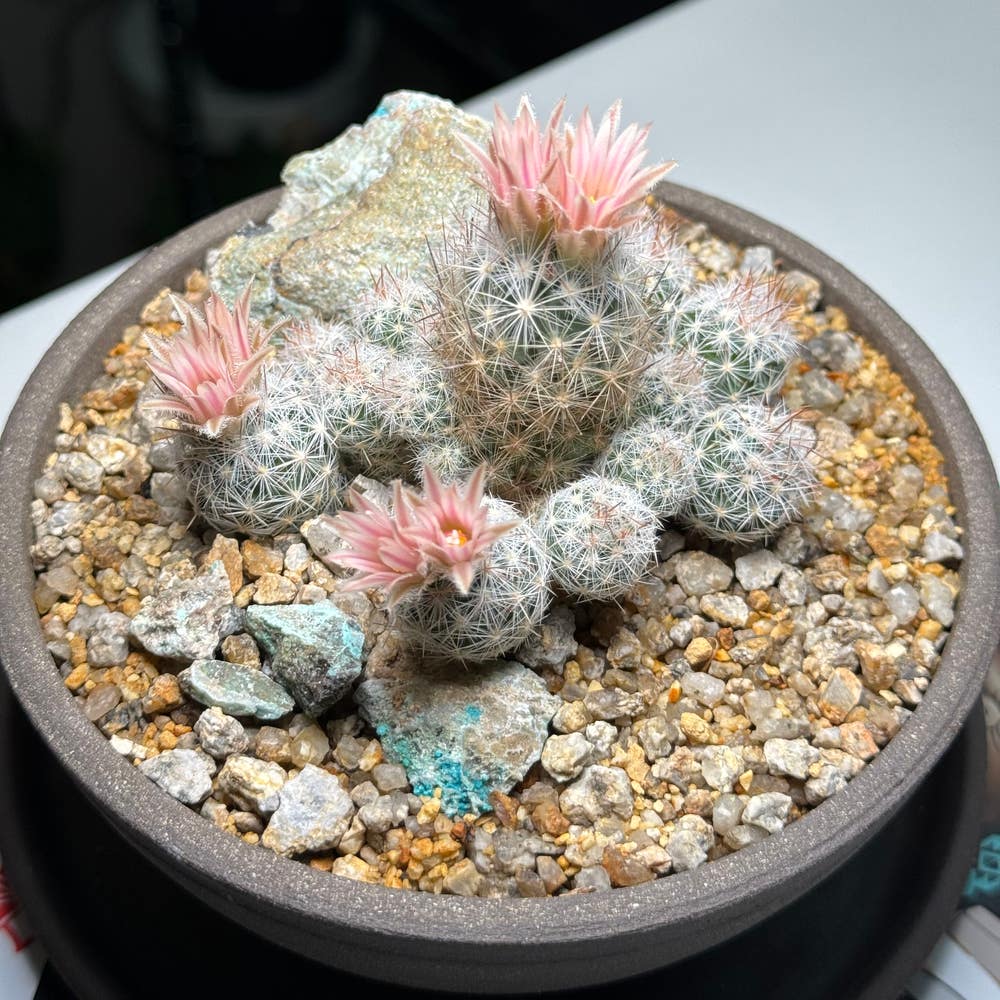
🐝 Overview of Duncan's Beehive Cactus
Escobaria dasyacantha var. duncanii 'Album'
By the Greg Editorial Team
Feb 18, 2025•10 min read
This article was created with the help of AI so we can cover more plants for you. May contain errors. See one? Report it here.
- 🌞 Duncan's Beehive Cactus needs full sun, thriving with at least six hours daily.
- 💧 Water sparingly; let soil dry completely between waterings to prevent rot.
- 🌱 Use well-draining soil with a pH of 6.0 to 7.0 for optimal growth.
How to Grow
🌞 Choosing the Right Location
Duncan's Beehive Cactus loves the sun! Aim for full sun exposure for at least six hours daily to keep it thriving.
Temperature is also key. This cactus prefers warm conditions, ideally between 70°F to 100°F (21°C to 38°C), so make sure to place it in a suitable environment.
🏜️ Soil Preparation
A well-draining soil mix is essential for your cactus's health. You can either use a cactus-specific potting mix or create your own blend using sand, perlite, and potting soil.
The soil pH should be slightly acidic to neutral, ideally between 6.0 and 7.0. This balance helps your cactus absorb nutrients effectively.
🌱 Planting Techniques
When planting, ensure the top of the cactus is level with the soil surface. This positioning helps prevent rot and encourages healthy growth.
Spacing is crucial too. Allow at least 12-18 inches between plants to ensure proper air circulation and reduce the risk of disease.
🚰 Watering Guidelines
Watering is where many gardeners go wrong. Water sparingly, allowing the soil to dry out completely between waterings.
During the growing season, aim to water deeply but infrequently, typically every 2-4 weeks. This approach mimics the cactus's natural habitat and promotes strong root development.
🍽️ Fertilizing Recommendations
For fertilizing, use a diluted, balanced cactus fertilizer. This will provide the necessary nutrients without overwhelming the plant.
Schedule your fertilization for once in early spring and again in mid-summer. This timing aligns with the cactus's growth cycles.
✂️ Pruning and Ongoing Care
Regular maintenance is key to a healthy cactus. Trim off any dead or damaged spines to keep the plant looking its best.
Additionally, monitor your cactus's health regularly. Look for signs of stress or disease, and address any issues promptly to ensure longevity.
With these guidelines, you'll be well on your way to cultivating a thriving Duncan's Beehive Cactus! Next, let's explore how to propagate this unique plant.
Propagation
🌱 Seed Propagation
Propagation of Duncan's Beehive Cactus can begin with seeds. Start by sowing them in a well-draining mix, keeping the soil moist while maintaining a temperature around 70°F (21°C).
Germination typically takes 2-4 weeks, so patience is key. Ensure you provide a warm and stable environment to encourage healthy growth.
🌵 Offsets Propagation
Offsets are another easy way to propagate this cactus. When offsets reach at least one-third the size of the parent plant, gently twist them off.
Once separated, plant them in a suitable cactus mix. This method is straightforward and allows for quick expansion of your cactus collection.
With these propagation techniques, you can enjoy the beauty of Duncan's Beehive Cactus in multiple locations. Now that you know how to propagate, let’s explore the lifecycle of this fascinating plant.
Lifecycle
Lifecycle Stages 🌱
Duncan's Beehive Cactus goes through several distinct stages: seed, seedling, vegetative growth, flowering, and seed production. The journey begins with germination, where seeds sprout within 2-4 weeks, transforming into vibrant seedlings.
Growth and Lifespan ⏳
This cactus exhibits a moderate growth rate, typically maturing in 3-5 years. Under optimal conditions, it can thrive for several decades, showcasing its resilience and adaptability in various environments.
Understanding these lifecycle stages is crucial for nurturing your cactus effectively. As you care for it, you'll witness the beauty of its growth and the joy it brings to your garden.
Size
Mature Dimensions 🌵
Duncan's Beehive Cactus typically reaches a mature height of 12 to 24 inches (30 to 60 cm). Its spread can expand impressively, ranging from 18 to 36 inches (45 to 90 cm) across.
Growth Rate and Size Variability 📈
This cactus has a moderate growth rate, which is influenced by various environmental conditions. Factors such as soil quality, watering practices, and sunlight exposure can all affect its size, leading to variability in how quickly it matures.
Understanding these dimensions and growth patterns can help you plan your garden layout effectively. With the right care, your Duncan's Beehive Cactus can thrive and become a stunning focal point in your landscape.
As we explore the next section, let's delve into the fascinating lifecycle of this resilient plant.
Roots
Characteristics of the Root System 🌱
Duncan's Beehive Cactus features a predominantly taproot system. This design allows the plant to access deep water sources, essential for its survival in arid conditions.
Common Root-Related Issues ⚠️
Root rot is a significant concern, often resulting from overwatering. Symptoms include mushy roots and wilting, indicating that the plant is struggling.
Rootbound conditions can also arise when the roots fill the pot. Signs of this issue include stunted growth and roots emerging from drainage holes.
Visual Cues for Healthy vs. Unhealthy Roots 👀
Healthy roots are firm, white, and well-structured, showcasing a robust plant. In contrast, unhealthy roots appear dark, mushy, or foul-smelling, signaling potential problems.
Tips for Managing Root Health 📝
To maintain optimal root health, consider repotting your cactus every 2-3 years. This practice helps prevent rootbound conditions and promotes healthy growth.
Regularly monitor your cactus for signs of root health. Adjust your watering practices accordingly to ensure your plant thrives in its environment.
Transitioning to the next section, understanding the benefits of Duncan's Beehive Cactus can enhance your gardening experience.
Benefits
Aesthetic Appeal 🌵
Duncan's Beehive Cactus stands out with its unique shape and spiny texture, making it a striking addition to any garden. Its vibrant appearance can enhance the visual interest of your landscape.
Low Maintenance 🧘♀️
This cactus is perfect for busy gardeners, requiring minimal care. Its resilience means you can enjoy its beauty without constant attention.
Cultural Significance 🎨
In Native American culture, the Duncan's Beehive Cactus symbolizes resilience and beauty. Incorporating this plant into your garden can connect you to a rich cultural heritage.
Biodiversity Contribution 🌍
By planting this cactus, you support local ecosystems. It provides essential habitat for various pollinators, contributing to a healthier environment.
Pollinator Attraction 🐝
The flowers of the Duncan's Beehive Cactus are a magnet for bees and other beneficial insects. This not only aids in pollination but also promotes biodiversity in your garden.
Incorporating Duncan's Beehive Cactus into your garden offers numerous benefits, from aesthetic appeal to ecological contributions. Next, let’s explore the best companion plants to enhance your gardening experience even further.
Companion Plants
Companion Planting Benefits 🌱
Companion planting is a fantastic way to enhance garden diversity. It promotes healthier plant growth by creating a balanced ecosystem where plants can support each other.
Best Companion Plants 🌵
When it comes to Duncan's Beehive Cactus, consider pairing it with succulents and other drought-tolerant plants. These companions share similar care needs, making them ideal partners in your garden.
Plants to Avoid 🚫
Be cautious with overly water-sensitive plants. They can compete for moisture and may not thrive alongside your cactus, leading to potential issues in your garden's harmony.
By selecting the right companions, you can create a thriving environment that benefits all your plants. This thoughtful approach not only enhances aesthetics but also contributes to a healthier garden ecosystem.
Toxicity to Humans
Safety Overview 🛡️
Duncan's Beehive Cactus is generally safe and not listed as toxic by major poison control centers. However, it's wise to be aware that consuming large quantities may lead to mild skin irritation or digestive discomfort.
Recommendations for Caution ⚠️
While this cactus is low-risk, it's always best to exercise caution with any plant. If you experience unusual symptoms after contact or consumption, seek medical advice promptly.
Toxicity to Dogs
Safety Overview 🐶
Duncan's Beehive Cactus is not considered toxic by major pet poison control centers. However, if your dog decides to munch on it, you might see some mild gastrointestinal upset if they consume large quantities.
Tips for Dog Owners 🏡
To keep your furry friend safe, place the cactus out of reach. Regularly monitor your dog's behavior around the plant to ensure they aren't tempted to nibble.
This simple precaution can help you enjoy your cactus without worrying about your pup's health.
Toxicity to Cats
Safety Overview 🐱
Duncan's Beehive Cactus is not listed as toxic by major pet poison control centers. However, if your cat munches on it, they might experience mild gastrointestinal upset, especially if they consume large quantities.
Tips for Cat Owners 🏠
To keep your feline friends safe, place the cactus in an area that's out of reach. Regularly monitor your cat's behavior around the plant to ensure they don’t get too curious.
By being proactive, you can enjoy the beauty of your cactus while keeping your pets safe and sound.
Problems
🐛 Common Problems
Duncan's Beehive Cactus can face several challenges that may hinder its growth and health. Understanding these common problems is crucial for any gardener looking to maintain a thriving plant.
💧 Overwatering
One of the most frequent issues is overwatering. Symptoms include yellowing leaves and mushy stems, indicating that the roots are struggling to breathe.
🚰 Underwatering
On the flip side, underwatering can also pose a threat. Signs of this problem are shriveling and browning, which suggest that the cactus isn't receiving enough moisture.
🌡️ Light and Temperature Issues
Light and temperature play significant roles in the cactus's well-being. Incorrect light exposure can lead to etiolation, where the plant stretches unnaturally, while extreme temperatures can cause stress and hinder growth.
🦠 Diseases
Fungal diseases, such as powdery mildew, can affect the cactus if conditions are too humid or wet. Additionally, root rot often results from poor drainage, leading to further complications.
🌱 Growth Problems
Finally, growth problems can manifest in various ways. If your cactus isn't growing, fruiting, or appears leggy, these signs indicate that something is amiss in its care routine.
By being aware of these common problems, you can take proactive steps to ensure your Duncan's Beehive Cactus remains healthy and vibrant. Next, let’s explore the pests that can threaten its well-being.
Bugs
Common Pests 🐜
Duncan's Beehive Cactus can attract a few pesky pests that may threaten its health.
- Spider Mites: These tiny pests leave fine webbing and cause stippling on leaves, indicating their presence.
- Scale Insects: Look for hard, shell-like bumps on stems; they can be quite stubborn to remove.
- Mealybugs: These critters appear as cotton-like masses and can weaken your cactus if left unchecked.
Treatment Options 🧴
Fortunately, there are effective ways to manage these pests and keep your cactus thriving.
- Neem Oil: This natural pesticide is great for treating various pests without harming your plant.
- Insecticidal Soap: A safe option that can help eliminate bugs while being gentle on your cactus.
- Beneficial Insects: Introducing ladybugs or lacewings can provide a natural defense against pest infestations.
By staying vigilant and employing these treatments, you can ensure your Duncan's Beehive Cactus remains healthy and vibrant. Next, let’s explore what animals might be interested in snacking on your cactus!
What Eats
🦌 Common Animals
Duncan's Beehive Cactus can attract a variety of hungry critters. Common visitors include deer, rabbits, squirrels, and rodents, all of which may find the cactus's unique structure appealing.
🔍 Signs of Damage
Keep an eye out for signs that these animals have taken a nibble. Look for chewed edges, missing sections, and even droppings nearby, which can indicate that your cactus is on the menu.
🚫 Deterrent Methods
To protect your cactus, consider a few effective deterrent methods. Fencing can create a physical barrier, while repellents can help keep these animals at bay. Additionally, planting deterrent species nearby can further discourage them from munching on your prized cactus.
By taking these precautions, you can enjoy the beauty of your Duncan's Beehive Cactus without the worry of it becoming a snack for local wildlife.
⚠️ Safety First
This content is for general information and may contain errors, omissions, or outdated details. It is not medical, veterinary advice, or an endorsement of therapeutic claims.
Always consult a qualified healthcare professional before using any plant as food, medicine, or supplement.
Never eat any plant (or feed one to pets) without confirming its identity with at least two trusted sources.
If you suspect poisoning, call Poison Control (800) 222-1222, the Pet Poison Helpline (800) 213-6680, or your local emergency service immediately.
Spotted an error? Please report it here.
Nurture your Duncan's Beehive Cactus to thriving heights 🌵 with Greg's tailored care reminders and expert tips that ensure it gets just the right amount of sunlight and water!