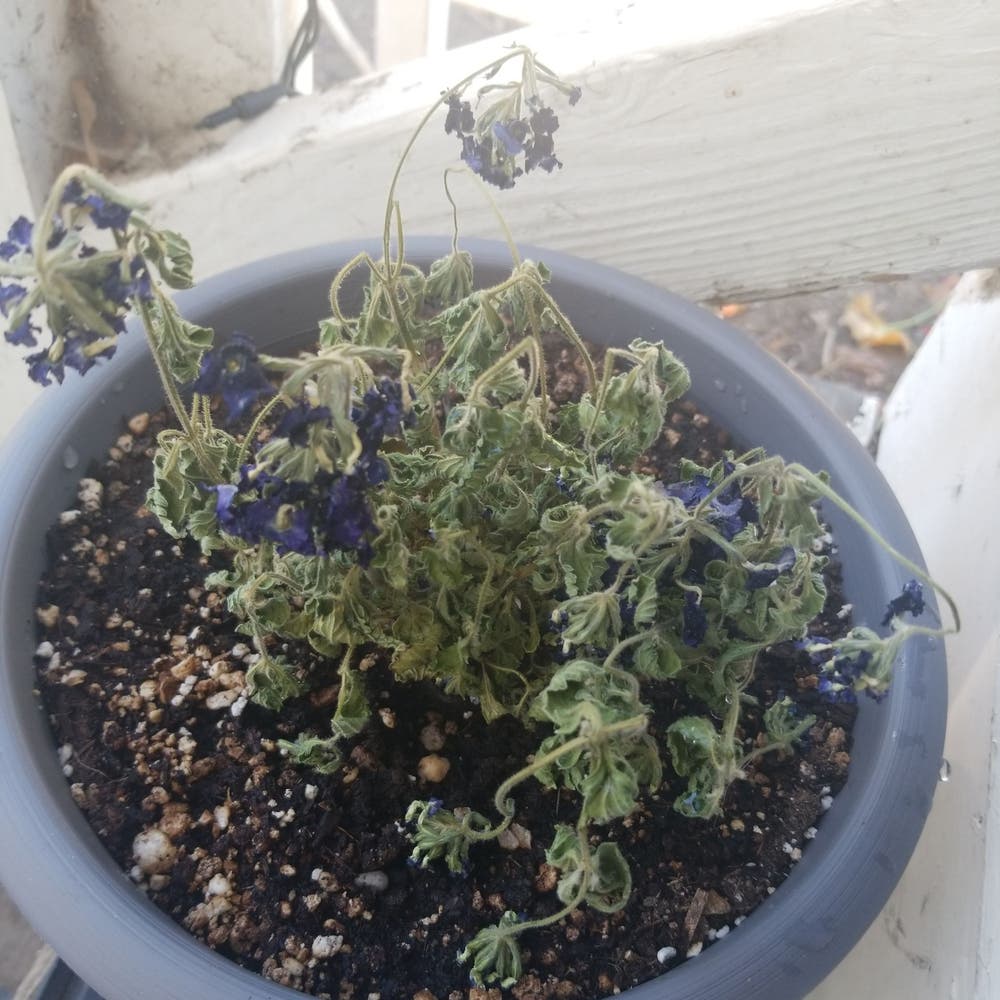
How to Cure Brown Spots on Your Dwarf Verbena 🩹
Verbena tenuisecta
By the Greg Editorial Team
Oct 20, 2024•6 min read
This article was created with the help of AI so we can cover more plants for you. May contain errors. See one? Report it here.
Revive your Dwarf Verbena from brown spots 🌱 to vibrant health with expert diagnosis and treatment tips!
- 🌱 Brown spots arise from fungi, bacteria, pests, or nutrient deficiencies. Identify the cause!
- 💧 Overwatering and poor drainage lead to root rot and brown spots. Adjust watering!
- 🌞 Ensure 6-8 hours of sunlight daily for healthy Dwarf Verbena growth.
Causes of Brown Spots
🦠 Fungal Infections and Their Impact
Fungal infections are a common culprit behind brown spots on Dwarf Verbena. Two prevalent diseases include:
- Powdery Mildew: This manifests as white powdery spots, which can lead to browning if left untreated.
- Leaf Spot Fungi: These fungi create dark brown or black spots on leaves, affecting the plant's overall health.
Fungal growth thrives in conditions of high humidity and poor air circulation. Overwatering can exacerbate the issue, leading to soggy soil that encourages these infections.
🦠 Bacterial Infections and Symptoms
Bacterial infections present distinct symptoms that can be alarming. Look for:
- Water-soaked Spots: These initially appear as dark patches that eventually turn brown.
- Wilting and Yellowing: Surrounding leaves may also show signs of distress.
A common bacterial disease affecting Dwarf Verbena is Bacterial Leaf Spot, which causes dark, irregular spots on the foliage.
🥦 Nutrient Deficiencies
🌱 Nitrogen Deficiency
Nitrogen deficiency is easy to spot. You’ll notice yellowing leaves with brown tips, signaling that your plant is struggling. This deficiency can stunt growth and reduce flowering, impacting the plant's vibrancy.
🥔 Potassium Deficiency
Potassium deficiency shows up as brown edges on older leaves. This nutrient is crucial for overall plant health and helps bolster disease resistance.
🌪️ Environmental Stressors
☀️ Sunburn on Leaves
Excessive direct sunlight can lead to crispy, brown patches on leaves. This is particularly common in hot climates where the sun's intensity is relentless.
🚰 Overwatering
Overwatering can cause yellowing leaves and root rot. Ensuring well-drained soil is vital to prevent waterlogging, which can suffocate your plant's roots.
🐜 Pest Infestations
🐞 Aphids
Aphids can wreak havoc on your Dwarf Verbena. Signs of infestation include sticky residue and curled leaves, which indicate that these pests are weakening your plant and making it susceptible to secondary infections.
🕷️ Spider Mites
Spider mites are another concern, often presenting as fine webbing and stippled leaves. They thrive in dry, dusty environments, making regular monitoring essential.
Understanding these causes is the first step in addressing brown spots on your Dwarf Verbena. Next, we’ll explore how to diagnose these issues effectively.
Diagnosing Brown Spots
🕵️♂️ Identifying the Type of Brown Spots
To effectively tackle brown spots on your Dwarf Verbena, start by identifying their origin. Distinguishing between fungal, bacterial, and environmental causes is crucial for proper treatment.
Look closely at the leaf patterns and how the spots progress. Fungal infections often spread rapidly, while bacterial issues may show more localized symptoms.
🌬️ Assessing Environmental Conditions
Next, evaluate the environmental conditions surrounding your plants. Checking humidity levels and ensuring good air circulation can help prevent further issues.
Also, assess sunlight exposure and your watering practices. Too much or too little of either can exacerbate brown spot problems.
🐛 Checking for Pests and Diseases
A visual inspection for pests is essential. Look for any signs of infestation on leaves and stems, as these can contribute to the health decline of your Dwarf Verbena.
Using a magnifying glass can help you spot smaller pests that might otherwise go unnoticed. This step is vital for early intervention.
🧪 Soil Testing for Nutrient Levels
Finally, consider the health of your soil. Soil testing kits are invaluable for determining nutrient levels and deficiencies.
Recommended nutrient levels for optimal Dwarf Verbena health include balanced nitrogen, phosphorus, and potassium. Ensuring your soil is nutrient-rich can significantly improve your plant's resilience against brown spots.
With these diagnostic steps, you’ll be better equipped to identify the root causes of brown spots. This knowledge will pave the way for effective treatment and care, leading to a healthier Dwarf Verbena.
Treatment Options
🌱 Organic Fungicides for Fungal Infections
To combat fungal infections effectively, consider using organic fungicides like neem oil or sulfur-based products. Apply these treatments every 7-14 days until you notice improvement in your Dwarf Verbena.
🧪 Chemical Treatments for Bacterial Issues
For bacterial problems, copper-based fungicides are your best bet. Always follow the manufacturer's instructions to ensure safety and effectiveness.
💧 Adjusting Watering Practices
Watering practices play a crucial role in plant health. Allow the soil to dry out between waterings to prevent issues; signs of overwatering include wilting and yellowing leaves.
🌼 Fertilization Strategies to Address Deficiencies
Using balanced NPK fertilizers can help address nutrient deficiencies. Aim to apply these fertilizers in early spring and mid-summer for optimal results.
✂️ Manual Removal of Affected Leaves
Removing affected leaves can significantly improve your plant's health. Follow these steps for effective removal:
- Use clean, sharp scissors.
- Cut leaves at the base, being careful not to damage healthy tissue.
Dispose of the infected leaves properly to prevent the spread of disease.
With these treatment options, your Dwarf Verbena can bounce back from brown spots and thrive. Next, let’s explore preventive measures to keep your plants healthy and vibrant.
Preventive Measures
Proper Watering Techniques 🌊
Deep watering is essential for Dwarf Verbena. This method encourages roots to grow deeper and stronger, unlike frequent shallow watering that can lead to weak plants.
Ensure your pots have drainage holes or amend garden soil to prevent waterlogging. Good drainage is crucial for healthy growth.
Soil Amendments for Better Drainage 🏗️
To enhance soil texture, consider adding perlite or sand. These amendments improve drainage, which is vital for the health of your Dwarf Verbena.
Well-draining soil helps prevent root rot and other moisture-related issues, keeping your plants thriving.
Sunlight Requirements and Placement ☀️
Dwarf Verbena thrives in full sun, requiring 6-8 hours of sunlight daily. Proper placement in your garden can make all the difference.
Avoid overly shaded areas to ensure your plants receive the light they need for optimal growth.
Regular Pest Monitoring and Control 🐞
Routine inspections are key to catching pest issues early. Check your plants weekly for any signs of infestation.
For control, consider using insecticidal soap or neem oil. These methods are effective and help keep your plants healthy.
Seasonal Care Tips to Prevent Stress 🌦️
Adjust your care routine based on the seasons. In winter, reduce watering to prevent over-saturation.
During extreme heat, provide shade to protect your Dwarf Verbena. These small adjustments can significantly enhance your plant's resilience.
By implementing these preventive measures, you can create a thriving environment for your Dwarf Verbena. This proactive approach will help you avoid many common issues, ensuring your plants remain healthy and vibrant.
Next, we’ll explore post-treatment care to support your plants' recovery and long-term health.
Post-Treatment Care
Monitoring Recovery 🌱
After treatment, keep an eye out for signs of recovery. Look for new growth and improved leaf color, which indicate that your Dwarf Verbena is bouncing back.
Patience is key during this phase. Recovery may take several weeks, so give your plant the time it needs to heal.
Adjusting Care Based on Plant Response 🔄
As your plant starts to recover, observe any changes in its watering and fertilization needs. Adjust your care routine accordingly to support its growth.
Also, be mindful of light exposure. If your plant shows signs of stress, consider modifying its sunlight conditions to promote better health.
Long-Term Maintenance Strategies 🛠️
Regular inspections are crucial for maintaining the health of your Dwarf Verbena. Schedule routine checks for pests and diseases to catch any issues early.
Consistency is vital in your watering and fertilization practices. This will help ensure your plant thrives long-term, keeping those brown spots at bay.
With these strategies in place, your Dwarf Verbena can flourish beautifully. Next, let’s explore preventive measures to keep your plant healthy and vibrant.
⚠️ Safety First
This content is for general information and may contain errors, omissions, or outdated details. It is not medical, veterinary advice, or an endorsement of therapeutic claims.
Always consult a qualified healthcare professional before using any plant as food, medicine, or supplement.
Never eat any plant (or feed one to pets) without confirming its identity with at least two trusted sources.
If you suspect poisoning, call Poison Control (800) 222-1222, the Pet Poison Helpline (800) 213-6680, or your local emergency service immediately.
Spotted an error? Please report it here.
Transform your Dwarf Verbena from spotted to spectacular 🌼 with Greg's tailored care reminders that ensure your plant gets the right nutrients and watering it craves!