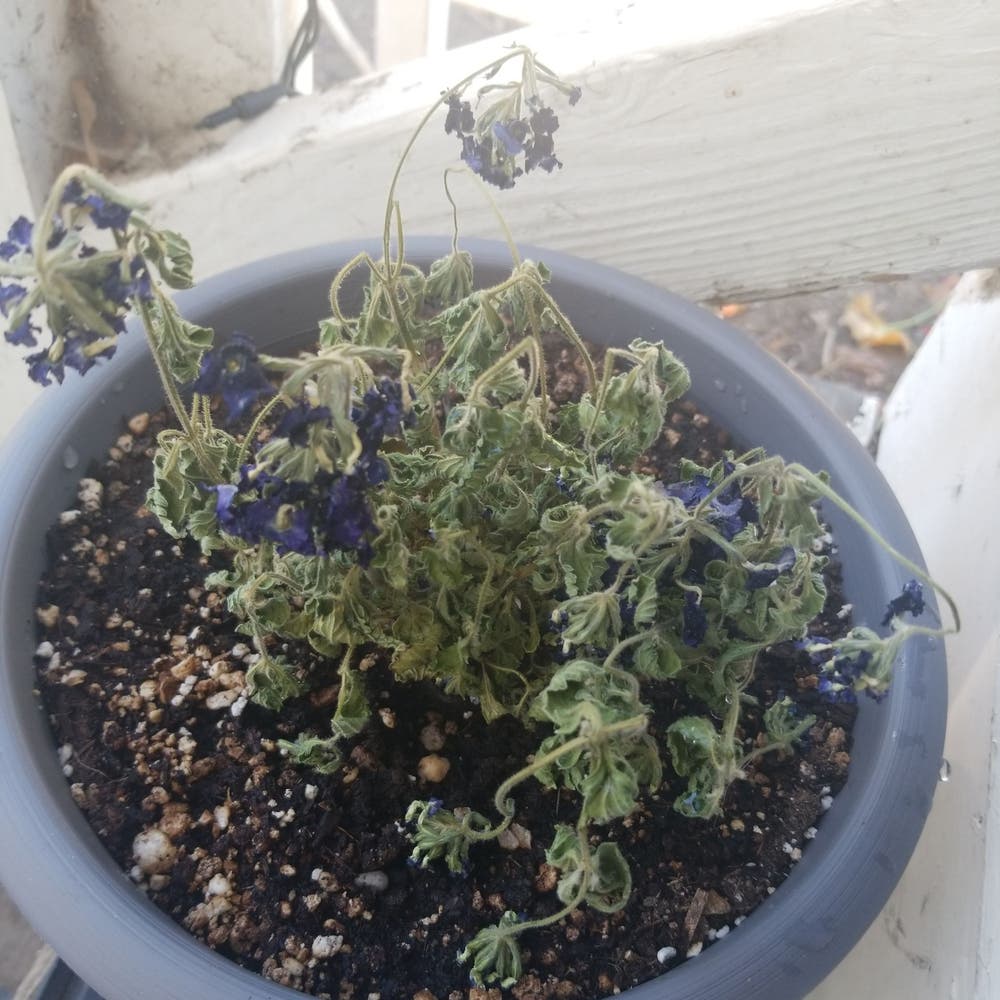
🔍 Best Tips for Dealing with Black Spots on Dwarf Verbena
Verbena tenuisecta
By the Greg Editorial Team
Oct 20, 2024•4 min read
This article was created with the help of AI so we can cover more plants for you. May contain errors. See one? Report it here.
Protect your dwarf verbena from black spots 🌿 with expert diagnosis and treatment tips for thriving plants!
- 🔍 Inspect leaves visually to identify black spots and their patterns for accurate diagnosis.
- ✂️ Remove affected leaves with sterilized scissors to limit disease spread effectively.
- 🌱 Adjust watering and spacing to enhance air circulation and reduce fungal growth.
Diagnosing Black Spots
🔍 How to Examine Leaves for Signs of Disease
Start with a visual inspection of the leaves. Look for distinct patterns and the distribution of black spots, as these can indicate specific issues.
Next, perform a touch test. Feel for any texture changes, such as roughness, which can signal underlying problems.
🆚 Differentiating Between Black Spots and Other Leaf Issues
To accurately diagnose, compare the black spots with common leaf issues like nutrient burn, sunscald, or pest damage. Each has unique characteristics that can help you identify the problem.
Using a magnifying glass can be a game-changer. It allows you to spot fungal spores or pest presence that might be invisible to the naked eye.
🚨 Importance of Early Diagnosis
Early diagnosis is crucial for preventing the spread of disease. Identifying issues promptly can significantly limit infection rates.
Moreover, treatment effectiveness hinges on timely intervention. The sooner you act, the higher your chances of successfully saving your Dwarf Verbena.
With a solid understanding of how to diagnose black spots, you can move on to effective treatment options that will help restore your plants to health.
Treating Black Spots
🛠️ Step-by-Step Treatment Options
Dealing with black spots on your dwarf verbena starts with a few essential steps.
- Remove affected leaves: Use sterilized scissors to cut away any infected foliage, preventing the spread of disease.
- Improve air circulation: Ensure your plants are spaced adequately, ideally 12-18 inches apart, to promote airflow.
- Adjust watering practices: Allow the soil to dry out between waterings to reduce moisture levels that favor fungal growth.
🧪 Recommended Fungicides and Their Application
If the problem persists, consider using fungicides.
- Chemical options: Copper-based fungicides and systemic fungicides are effective choices.
- Application guidelines: Follow the recommended frequency and dilution rates on the product label. Timing is crucial; apply during dry weather for best results.
🌿 Natural Remedies for Black Spots
For those who prefer organic solutions, there are effective natural remedies available.
- Organic fungicides: Neem oil and baking soda solutions can help combat black spots without harsh chemicals.
- Application methods: Use spraying for immediate coverage or soil drenching techniques to target root issues.
By following these treatment options, you can effectively manage black spots on your dwarf verbena. With the right care, your plants can thrive and remain vibrant.
Next, let's explore how to prevent black spots from occurring in the first place.
Preventing Black Spots
💧 Best Practices for Watering Dwarf Verbena
Monitoring soil moisture is crucial for healthy dwarf verbena. Use moisture meters or simply test with your finger to ensure the soil isn’t too wet.
Watering early in the morning helps reduce humidity around the plants. This practice minimizes the risk of fungal growth, keeping your verbena thriving.
🌬️ Importance of Air Circulation and Spacing
Proper spacing is essential for airflow. Aim to space your dwarf verbena 12-18 inches apart to allow for optimal circulation.
Regular pruning can also enhance air movement. Trim back any overcrowded areas to keep your plants healthy and disease-free.
🌱 Soil Health and Amendments to Prevent Disease
Conducting soil tests is a smart move. Assessing pH and nutrient levels can help you understand what your plants need.
Incorporating compost and well-rotted manure improves drainage and enriches the soil. Healthy soil is a key factor in preventing black spots and promoting robust growth.
By following these preventive measures, you can significantly reduce the risk of black spots on your dwarf verbena. Now, let’s explore how seasonal changes can affect these plants and what adjustments you can make to their care routines.
Seasonal Care for Dwarf Verbena
🌧️ Seasonal Changes Affecting Black Spots
Spring brings increased humidity, creating a perfect environment for fungal growth on your dwarf verbena. In summer, heat stress can make the plants more susceptible to black spots, so keep an eye out for any changes.
☔️ Adjusting Care Routines Based on Weather Conditions
During rainy seasons, it's crucial to reduce watering frequency and enhance drainage to prevent waterlogged soil. Conversely, during dry spells, monitor your plants for signs of stress and adjust your watering routine accordingly.
🍂 Preparing Dwarf Verbena for Different Seasons
As fall approaches, cut back your dwarf verbena and apply mulch to protect the roots from the cold. In winter, ensure your plants are safeguarded from frost and that drainage remains optimal to prevent root rot.
By understanding these seasonal dynamics, you can better care for your dwarf verbena and minimize the risk of black spots. This proactive approach sets the stage for healthy growth as the seasons change.
⚠️ Safety First
This content is for general information and may contain errors, omissions, or outdated details. It is not medical, veterinary advice, or an endorsement of therapeutic claims.
Always consult a qualified healthcare professional before using any plant as food, medicine, or supplement.
Never eat any plant (or feed one to pets) without confirming its identity with at least two trusted sources.
If you suspect poisoning, call Poison Control (800) 222-1222, the Pet Poison Helpline (800) 213-6680, or your local emergency service immediately.
Spotted an error? Please report it here.
Keep your dwarf verbena thriving 🌼 by using Greg's tailored care reminders and moisture monitoring to tackle black spots before they spread!