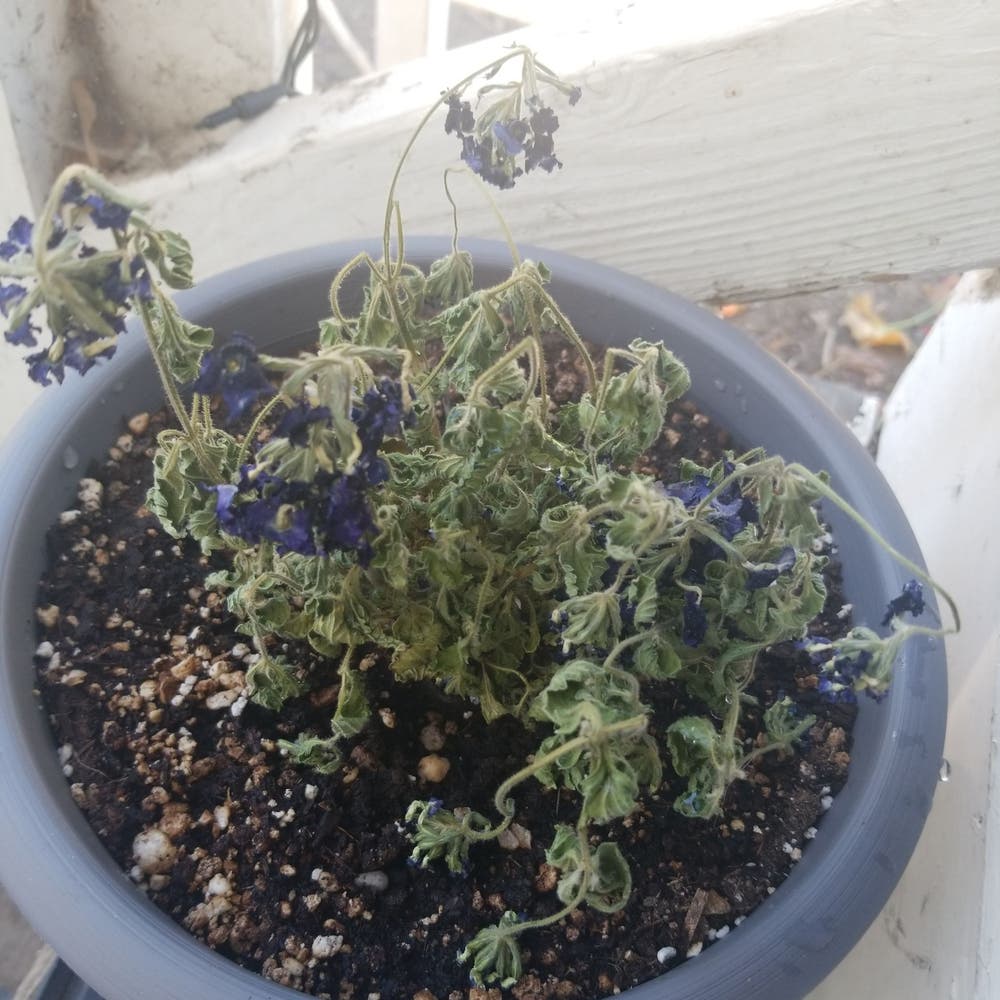
Best Size and Type of Pot for Dwarf Verbena 🌸
Verbena tenuisecta
By the Greg Editorial Team
Oct 20, 2024•6 min read
This article was created with the help of AI so we can cover more plants for you. May contain errors. See one? Report it here.
Unlock your dwarf verbena's full potential 🌱 by mastering the art of pot size and material selection for vibrant growth! 🪴
- 🌱 Start dwarf verbena in 4-6 inch pots for optimal root establishment.
- 🪴 Mature plants thrive in 10-12 inch pots; larger for group planting.
- 🚫 Signs of needing a larger pot include roots outgrowing drainage holes.
Ideal Pot Sizes
Pot Size for Seedlings 🌱
Starting with the right pot size is crucial for dwarf verbena seedlings. A pot diameter of 4-6 inches is recommended to encourage root establishment without excess soil moisture.
Once your seedlings develop 2-3 sets of true leaves, it's time to transition them to larger pots. Moving to an 8-10 inch pot will give them the space they need to thrive.
Recommended Sizes for Mature Plants 🌼
For mature dwarf verbena plants, an ideal pot size is 10-12 inches in diameter. Ensure the pot depth is at least 8 inches to accommodate healthy root growth.
If you're considering group planting, opt for a larger container, around 12-16 inches. This not only enhances visual appeal but also provides ample space for multiple plants to flourish together.
Adjusting Size as the Plant Grows 📏
Recognizing when to upsize your pot is essential for plant health. Signs that a larger pot is needed include roots emerging from drainage holes and noticeable stunted growth.
Repotting should occur every 1-2 years or whenever the plant outgrows its current pot. Remember to increase pot size gradually, avoiding jumps of more than 2 inches in diameter to prevent shock to your plants.
This careful attention to pot size will set your dwarf verbena on a path to vibrant growth and blooming. Next, let’s explore the various pot materials that can further enhance your plant's health.
Pot Materials
🌱 Benefits of Clay Pots
Clay pots are a gardener's best friend for several reasons. Their porous nature allows for better air circulation and moisture regulation, which is crucial for healthy root development.
Additionally, clay pots have a natural aesthetic that beautifully complements flowering plants. Their weight also provides stability, making them less likely to tip over, especially for taller varieties.
🪴 Advantages of Plastic Pots
Plastic pots offer a different set of benefits that can be quite appealing. They are lightweight, making them easy to move and rearrange in your garden or patio.
Cost-effectiveness is another major advantage; plastic pots are generally cheaper than their clay or ceramic counterparts. Plus, they retain moisture well, which can be beneficial in hot climates where rapid drying is a concern.
⚖️ Comparison of Other Materials
Ceramic Pots
Ceramic pots bring a touch of elegance to any plant display. They often feature attractive designs and provide good insulation for roots.
However, they come with drawbacks. Ceramic pots tend to be heavier and more expensive, and they can crack in freezing temperatures, which is something to keep in mind if you live in a colder climate.
Biodegradable Pots
Biodegradable pots are an eco-friendly option that many gardeners appreciate. They can be planted directly into the ground, reducing transplant shock for your plants.
On the flip side, these pots have a limited lifespan and may not provide adequate support for larger plants. It's essential to consider your plant's needs when choosing this option.
In summary, selecting the right pot material is crucial for the health and growth of your dwarf verbena. Each material has its pros and cons, so weigh your options carefully to ensure your plants thrive. Next, let’s dive into the importance of drainage and how it affects your plants' health.
Importance of Drainage
🕳️ Role of Drainage Holes
Drainage holes are crucial for preventing waterlogging, which can be detrimental to your dwarf verbena. Aim for holes that are at least 1/2 inch in diameter to ensure effective drainage.
🌱 How Drainage Affects Health
Good drainage is vital for healthy root development and helps prevent root rot. Pair your pots with well-draining soil, mixing potting soil with perlite or sand for optimal results.
🚨 Signs of Poor Drainage
Watch for yellowing leaves or wilting, even when you've watered adequately; these are signs of poor drainage. If you notice these symptoms, check for clogged holes and consider repotting into a container that offers better drainage.
Maintaining proper drainage is essential for the health and vitality of your dwarf verbena. Next, let’s explore the process of repotting to ensure your plants continue to thrive.
Repotting
When to Repot 🌱
Repotting is crucial when you notice roots poking through the drainage holes or if your plant's growth seems stagnant. The ideal time to make this move is early spring, just before the growing season kicks off.
Steps for Repotting 🛠️
- Prepare new pot: Make sure it has adequate drainage holes.
- Remove the plant: Gently loosen the root ball from the old pot.
- Inspect roots: Trim any damaged or rotting roots.
- Place in new pot: Fill with fresh potting mix, ensuring the root ball is level with the soil surface.
- Water thoroughly: Allow excess water to drain out.
Choosing the Right Pot During Repotting 🪴
When selecting a new pot, consider the growth stage of your plant. Choose one that fits its current size while allowing room for future growth.
Also, think about the material. If you've been using plastic, you might want to switch to clay for better air circulation, or vice versa, depending on your plant's performance so far.
Repotting can seem daunting, but it's a rewarding process that helps your dwarf verbena thrive. With the right pot and timing, you'll set your plant up for success as it continues to grow.
Impact of Pot Choice on Growth
🌱 How Size Influences Growth Rate
Choosing the right pot size is crucial for the growth of your dwarf verbena. Larger pots allow for more root expansion, which leads to healthier, more robust plants.
Conversely, small pots can restrict growth, resulting in nutrient deficiencies. When roots are cramped, they struggle to absorb essential nutrients and water.
🏺 Effects of Material on Health
The material of your pot also plays a significant role in plant health. Clay pots are fantastic for promoting air exchange, which reduces the risk of root rot.
On the other hand, plastic pots retain moisture longer. This can be beneficial in dry conditions but poses a risk in humid environments, where excess moisture can lead to problems.
⚠️ Common Issues Related to Poor Selection
Selecting the wrong pot can lead to several issues. Overwatering due to inadequate drainage can quickly lead to root rot and plant decline.
Additionally, stunted growth often results from insufficient pot size, limiting root development and nutrient uptake. Environmental stress from inappropriate materials can also affect overall vigor and flowering potential, leaving your plants less than their best.
Understanding these factors can help you make informed choices, ensuring your dwarf verbena thrives beautifully.
⚠️ Safety First
This content is for general information and may contain errors, omissions, or outdated details. It is not medical, veterinary advice, or an endorsement of therapeutic claims.
Always consult a qualified healthcare professional before using any plant as food, medicine, or supplement.
Never eat any plant (or feed one to pets) without confirming its identity with at least two trusted sources.
If you suspect poisoning, call Poison Control (800) 222-1222, the Pet Poison Helpline (800) 213-6680, or your local emergency service immediately.
Spotted an error? Please report it here.
Get your dwarf verbena thriving in the perfect pot 🪴 by using Greg's tailored reminders and tips for optimal growth and repotting success!